REVIEW · SEMINYAK
All Inclusive Kecak Dance and Uluwatu Temple Admission Ticket
Book on Viator →Operated by Seminyak Tour Driver Bali · Bookable on Viator
One of Bali’s best evening stages. You’ll get Uluwatu Temple with its clifftop views, then settle in for the Kecak and Fire dance as the ocean light fades. The timing is built for sunset, and the walk on the high cliff adds something you don’t get at indoor shows.
Two things I really liked: first, the guide support that helps you move through the temple area and get sorted for the performance without turning it into a half-day scavenger hunt. Second, the combination of ocean sunset + the chant-driven Kecak spectacle in an amphitheater that feels purpose-built for drama.
One consideration: the crowds can be intense, and Uluwatu is also a monkey zone—if you show up with loose items, you’ll spend the show managing your belongings instead of watching.
In This Review
- Key things I’d plan around before you go
- Getting to Uluwatu from Seminyak: why the pickup matters
- Uluwatu Temple walk: cliff views, steep paths, and real monkey rules
- The Kecak and Fire dance at Uluwatu: sunset timing and what you’re really paying for
- What the guides do: getting tickets, finding seats, and staying calm
- Photos at Uluwatu: how to get great shots without losing your stuff
- Price and value: is $38.33 per person worth it?
- Common drawbacks to plan for (so you don’t get surprised)
- Who this tour is best for
- Should you book this Kecak and Uluwatu Temple tour?
- FAQ
- What time are the Kecak and Fire dance sessions?
- Is pickup from the area included?
- What’s included in the price?
- How long does the tour last?
- How big is the group?
- What should I do about monkeys at Uluwatu Temple?
- What if the weather is bad or I need to cancel?
Key things I’d plan around before you go

- Two show sessions: the performance runs either 18:00–19:00 or 19:00–20:00, so timing matters for your sunset.
- Small group feel: maximum 14 travelers, which makes entry and meeting your guide easier.
- Monkey-proofing is real: protect hats, sunglasses, and phones, and keep bags controlled.
- Clifftop temple walk: expect steep, dramatic paths with ocean views as part of the experience.
- Guide-led photos: you’re not left to fend for yourself in the crush.
- Packed amphitheater timing: expect waiting and dense lines at entry, even when everything is well-run.
Getting to Uluwatu from Seminyak: why the pickup matters
Starting in Seminyak, this tour is set up for a smooth evening. You get pickup, and the plan is built around the temple’s show schedule, not around your ability to figure out transport at 5 pm.
That matters because Uluwatu isn’t just “a stop.” It’s a place people actively build their evening around. Even with good organization, you’ll be dealing with traffic variability and the simple truth that most people arrive close to the same time. With pickup, you arrive with less stress and more time to get your bearings.
The tour duration is about 5 hours. For most people, that’s a practical length: long enough to do the temple walk and the dance, short enough that you’re not committing to an all-day grind.
You can also read our reviews of more tours and experiences in Seminyak


Uluwatu Temple walk: cliff views, steep paths, and real monkey rules
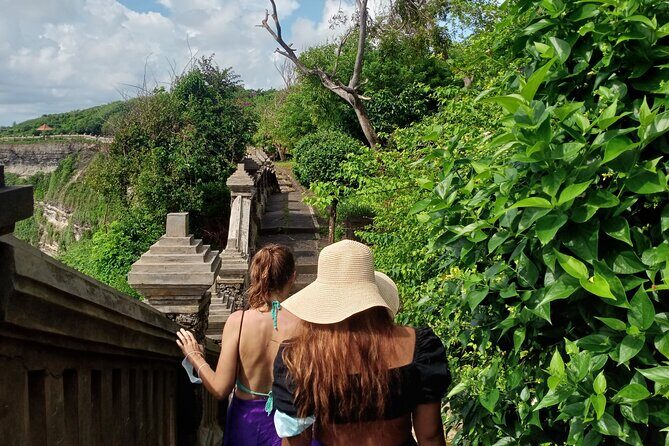
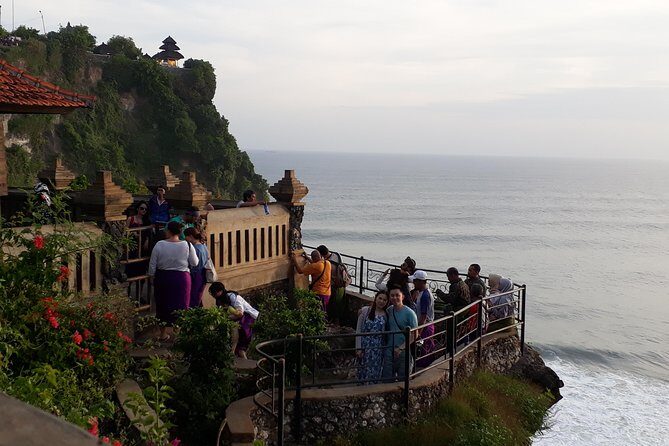
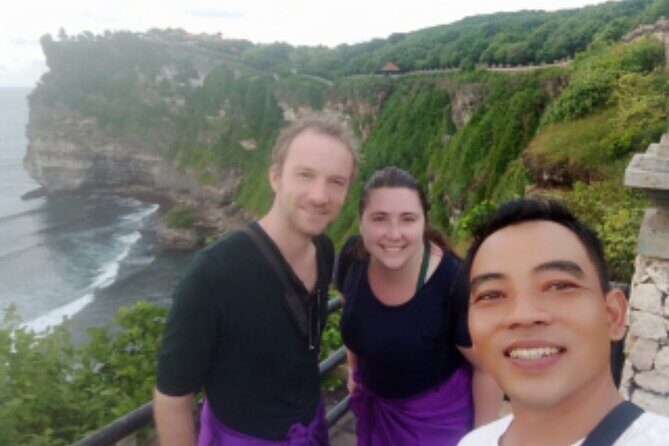
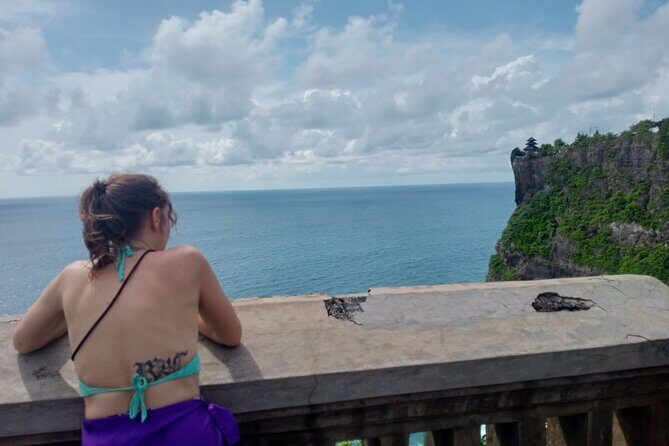
Uluwatu Temple is known for one thing above all else: the setting. You’re up on a cliff with the Indian Ocean below, and the walk around the temple area gives you that “Bali at the edge” feeling. It’s not only about buildings. It’s the path, the vantage points, and how the sea light changes as you move.
Now for the part you shouldn’t ignore: monkeys. They’re not background entertainment. They actively treat people like a buffet of whatever you happen to be holding.
A few very specific rules you’ll want to follow:
- Skip sunglasses and hats if you can, or secure them tightly. Those items attract attention fast.
- Keep your phone put away when you’re done shooting. One strong theme from the on-site advice: take pictures, then store the phone immediately.
- Watch your bag. If you carry a purse, use a cross-body strap or keep it controlled.
Some guides will warn you before you even reach the thick of it, and it’s worth listening. I’ve found the best approach is simple: travel like you’re entering a situation where grabbing is possible, not like you’re sightseeing in a calm museum. Also, small comfort tip for waiting: consider shade like an umbrella, since sitting in the sun before the performance can get draining.
The Kecak and Fire dance at Uluwatu: sunset timing and what you’re really paying for
This is the heart of the night. The performance takes place at the temple amphitheater for one hour, and you’ll be assigned to one of two sessions: 18:00–19:00 or 19:00–20:00.
Here’s what that means in plain terms:
- If you choose the earlier session, you’ll still catch sunset energy, but the show lands sooner.
- The later session is often the one people plan around when they want the full ocean-to-dark transition.
Why I like this format is that you’re not just watching dancing. The Kecak is built on group chant, and it creates a steady rhythm that makes the whole spectacle feel larger than the stage itself. Then the Fire element adds intensity right when the surroundings cool down.
There’s one practical reality though: the amphitheater can be packed. You may wait in long lines or dense queue areas before entry, and seating can feel competitive. Having a guide who gets tickets sorted and helps you line up matters. The goal isn’t luxury. It’s reducing wasted time so you can actually enjoy the performance.
And if you’re sensitive to crowd behavior, bring patience. Even when the show is excellent, the surrounding audience can influence your mood. I’d treat it like a popular sports event: expect people around you to be excited, noisy, and eager for the best photos.
What the guides do: getting tickets, finding seats, and staying calm
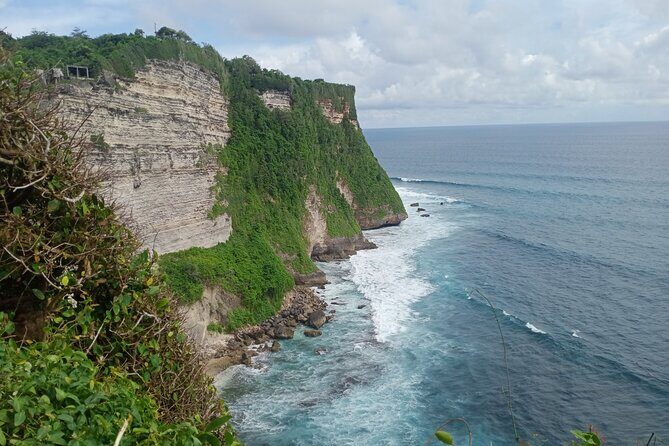
A big reason this tour works well is the human factor. The guides aren’t just driving—you’re getting someone who can handle the on-site flow.
In particular, I’d highlight what you can reasonably expect when you have the right guide style:
- Ticket handling so you’re not stuck hunting down entry paperwork.
- Help navigating queue and entry/exit, which is a real thing at Uluwatu.
- Photo support, including timing and positioning help, so you don’t miss the show while trying to solve your camera angles.
- Monkey warnings that are specific, not vague.
Names that showed up again and again in the guide stories include Andy, Arya, Bagus, Jana, Wayan, Kadek, Dedik, and Nyoman. The consistency isn’t about the name. It’s about the job they do: keeping the experience moving and helping you avoid obvious mistakes like holding items in reach.
If you want the most value from the tour, treat your guide as your local operator. Ask when you should put your phone away. Ask about monkey-safe bag placement. Then follow the plan. It’s the fastest route to enjoying both the sunset and the performance without turning it into a stress test.
Photos at Uluwatu: how to get great shots without losing your stuff

Uluwatu is photo-friendly, but it’s also chaos-friendly. You’ll see people sprinting for positions, and that’s when monkeys become a bigger problem.
My best advice is a two-step method:
1) Take the picture you came for.
2) Immediately return your phone and valuables to secured storage.
This isn’t paranoia. It’s a practical rule that keeps you from standing helpless while someone else points out your open bag or dangling phone. Since one common issue is people getting their items grabbed when they hold them too long, think of the show like a performance first, photography second.
If your guide offers photo support, lean in. Even small guidance—where to stand, when to shift position, how to avoid blocking someone—can make your photos look intentional rather than accidental.





Price and value: is $38.33 per person worth it?
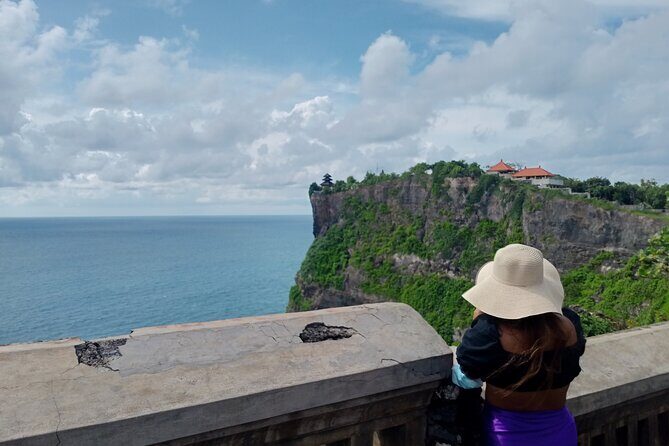
At $38.33 per person, you’re paying for more than a seat at a show. You’re paying for the combination of:
- Pickup
- Admission ticket included for the Uluwatu Temple show experience
- Local guide support to manage the flow and reduce time wasted in crowded areas
- A guided temple walk component before the amphitheater
Could you do parts of this on your own? Yes, in theory. Many people buy tickets directly and arrange transport separately. But the value here is the “less friction” factor. You’re effectively outsourcing the stressful parts: locating the right entry, timing arrival for the show session, handling the ticket process, and dealing with the clifftop area logistics.
The small group size (maximum 14 travelers) also helps. Big tour buses often mean you’re stuck waiting for everyone to find their way. Here, you’re more likely to move as a unit, which directly impacts your comfort.
So my take: this price is fair when you want convenience and guidance, especially if you’re not traveling with local language skills or you just don’t want to manage lines right at sunset.
Common drawbacks to plan for (so you don’t get surprised)
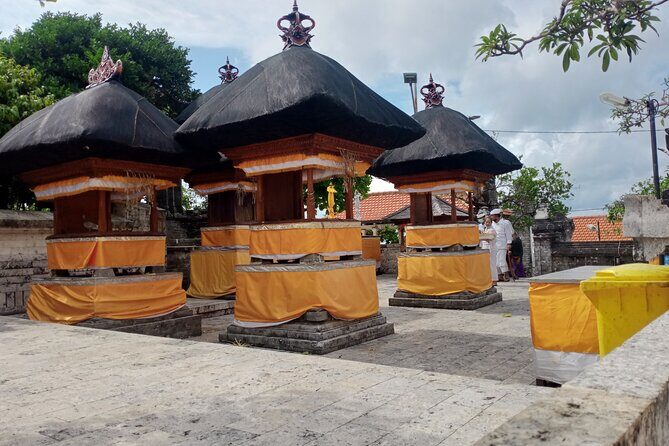
Even a well-run tour can’t erase two realities of Uluwatu:
1) Crowds and queue time
The amphitheater can be packed. Expect waiting. If you get bothered easily by loud groups or impatient lines, build in extra patience.
2) Monkey behavior changes your attention
If you arrive dressed like you’re going to a normal temple visit, you’ll likely learn quickly. Prepare with a secure bag and fewer tempting items.
There’s also the timing sensitivity: if you pick the later session, you’re still going to want to keep your arrival timing aligned with the show start. The tour is designed around those sessions, and the safest plan is to treat the schedule as firm. That means you don’t wander too long during the temple portion if you’re cutting it close.
Who this tour is best for
This one is a strong fit if you want:
- An evening cultural performance with a real sense of place
- A guided experience that keeps ticketing and entry smoother
- A chance to see Uluwatu in the best light, not under midday heat
- A small-group feel (up to 14)
It’s also a good choice if you care about photos but don’t want to spend the best part of your sunset wrestling for positioning.
I’d think twice if:
- You dislike crowds and long waits
- You’re very uncomfortable around animals in tourist areas
- You prefer quiet, low-traffic sightseeing over a major popular evening show
Should you book this Kecak and Uluwatu Temple tour?
Yes, I’d book it if your priority is a well-timed sunset experience with practical help—especially the combination of temple viewing plus a one-hour Kecak and Fire show in the amphitheater.
The value comes from convenience: pickup, admission included, and a guide who helps with entry flow and safety reminders around monkeys. If you go in knowing the crowds are part of the deal and you plan your belongings accordingly, you’ll get a memorable Bali evening.
If you want my simple checklist before you go: bring a controlled cross-body bag, keep hats and sunglasses secured or stored, put your phone away right after photos, and pick the session time that matches your sunset goals.
FAQ
What time are the Kecak and Fire dance sessions?
There are two performance sessions: 18:00–19:00 and 19:00–20:00.
Is pickup from the area included?
Pickup is offered, and the tour is based around Seminyak.
What’s included in the price?
The price includes the admission ticket for the Uluwatu Temple experience with the Kecak and Fire dance performance.
How long does the tour last?
The duration is approximately 5 hours.
How big is the group?
The group size is capped at a maximum of 14 travelers.
What should I do about monkeys at Uluwatu Temple?
Follow strict monkey precautions: avoid loose items like hats and sunglasses, watch your bag, and store your phone right after taking photos. Keep belongings secure because monkeys can be aggressive.
What if the weather is bad or I need to cancel?
This experience requires good weather. If it’s canceled due to poor weather, you’ll be offered a different date or a full refund. You can cancel up to 24 hours in advance for a full refund.