REVIEW · SEMINYAK
Bali Full Day Temple Tour – Private Sightseeing Trip
Book on Viator →Operated by Bali Day Tour · Bookable on Viator
Temples in Bali feel personal.
This private full-day temple tour is a smart way to see several of the island’s most meaningful sites without wrestling traffic or tickets. I like that it’s private, so you move at your pace with only your group in the vehicle. I also like that entrance fees and a buffet lunch are included, so your day stays simpler and more predictable. One thing to consider: soft drinks and alcohol cost extra, and the schedule depends on good weather.
Below is what you’ll actually experience, from the first stone steps at Kehen to the spring-water rituals at Tirta Empul, all wrapped into one long, rewarding day.
In This Review
- Key Things I’d Pay Attention To
- How This Private Temple Day Works (And Why It’s Good Value)
- Pickup From Seminyak: The Easiest Way to Start
- Stop 1: Kehen Temple and the Feeling of an Older Bali
- Stop 2: Besakih Temple, Bali’s Mother Temple on Mount Agung Slopes
- Stop 3: Tirta Empul and the Sacred Spring Water Rituals
- Stop 4: Gunung Kawi Sebatu and the Stairs Into the Valley
- Stop 5: Elephant Cave (Goa Gajah) and the Archaeology Behind the Name
- The Drive Between Temples: Famous Village, Volcano, and Another Temple Along the Way
- Lunch at a Bali Buffet: When Included Food Actually Helps
- Timing, Pacing, and What to Expect From a 9–10 Hour Route
- Photography and Respect: How to Get Great Shots Without Getting in the Way
- Price Reality Check: What You’re Really Paying For
- Who This Tour Suits Best (And Who Might Want Another Plan)
- Should You Book This Private Bali Temple Day Tour?
- FAQ
- How long is the Bali Full Day Temple Tour?
- Is this tour private?
- What’s included in the price?
- What is not included?
- Do you offer vegetarian lunch?
- Where do pickups happen?
- What should I wear and bring?
Key Things I’d Pay Attention To
- Private vehicle + English-speaking driver: you won’t be stuck guessing what you’re looking at.
- Lunch and temple tickets included: fewer add-ons to deal with mid-day.
- Long, active walking: Gunung Kawi Sebatu involves stairs down into the valley.
- Holy spring viewing at Tirta Empul: expect ceremony-style stops around the water.
- Goa Gajah is more than an elephant story: the name can mislead, but the site is archaeologically significant.
- Pass-by sightseeing built into the drive: you’ll see a famous village, volcano, and temple along the route.
How This Private Temple Day Works (And Why It’s Good Value)
This tour is designed for one simple goal: see several major temple sites in one day without the usual Bali hassle—taxis, ticket lines, and figuring out routes between different parts of the island. With pickup and drop-off from your hotel or villa (including Seminyak and nearby areas), the hardest part of your day becomes deciding how early you want to start.
The price is $70 per person for a private experience. For a day with multiple temple admissions included, an air-conditioned vehicle, and a professional English-speaking driver who can explain what you’re seeing, it’s often better value than paying separate admission tickets plus transport. Your biggest extra costs are personal items, and soft drinks and alcohol if you want them.
The schedule is roughly 9 to 10 hours, and it’s paced as a sightseeing day: about an hour at each main stop, plus driving time. If you’re the type who gets restless when a day runs too long, this is one of those tours where you should plan for comfortable shoes and a slower dinner afterward.
You can also read our reviews of more private tours in Seminyak



Pickup From Seminyak: The Easiest Way to Start
Your day begins with hotel/villa pickup and drop-off across a range of Bali areas, including Seminyak. That matters more than it sounds. Temple days often fail when you lose time coordinating transport or when you have to meet a driver somewhere inconvenient.
Here’s what to expect based on the structure of this trip:
- You ride in an air-conditioned vehicle (a real plus in Bali’s heat).
- You’ll have a professional English-speaking driver who acts as your guide through the day.
- You can request flexible timing based on your needs, so it’s not always a rigid clockwork route.
Dress code is listed as smart casual, and you should bring sunscreen and a camera. Temple sites typically require respectful clothing, so plan for lightweight layers you can adjust.
Stop 1: Kehen Temple and the Feeling of an Older Bali
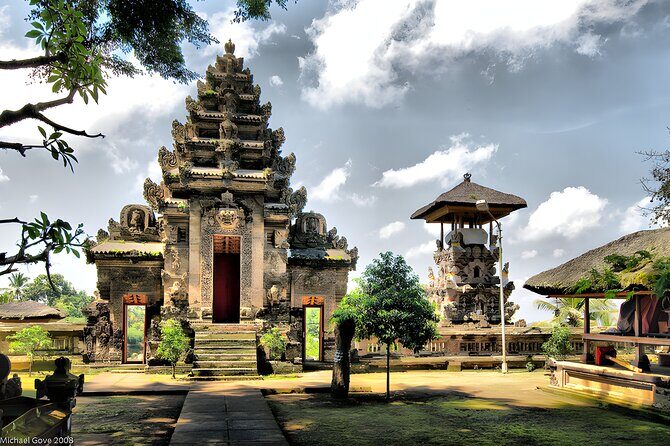
Kehen Temple is your first big introduction to Bali’s temple culture. It’s believed to have been built even before the town’s construction, and today it sits on the outskirts. The setting gives you that slow, grounded sense of place—more local and less like a theme park.
What you’ll likely enjoy here:
- A temple layout that feels connected to the surrounding royal houses and local geography.
- A calmer start to the day before you hit the larger and more famous complexes.
This stop is about one hour, and admission is included. A consideration: if you arrive early and the heat is still building, you’ll want water and sun protection because you’ll be outside.
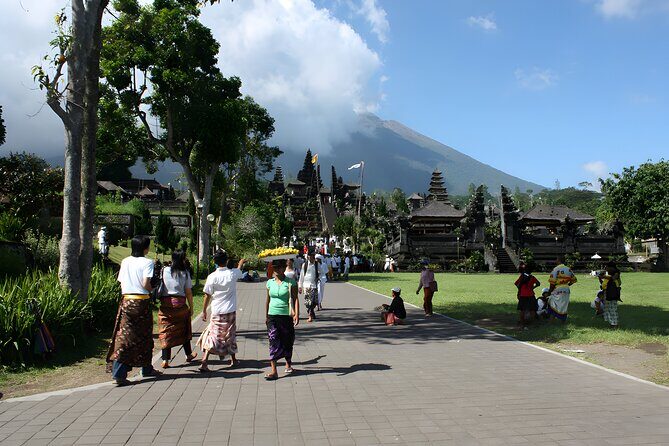
Stop 2: Besakih Temple, Bali’s Mother Temple on Mount Agung Slopes
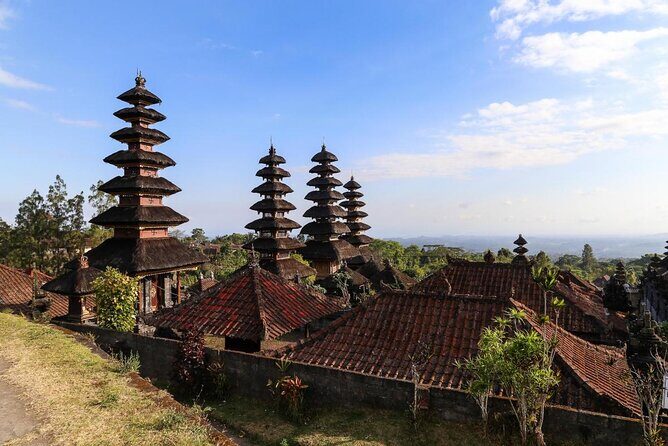
Next comes Besakih Temple, often referred to as Bali’s Mother Temple and associated with over 1,000 years of tradition. It sits on the southwestern slopes of Mount Agung, about 1,000 meters high.
Why this stop is worth the time:
- You’re seeing one of Bali’s central spiritual landmarks, not just a single shrine.
- The complex nature of Besakih helps you understand why temple culture isn’t one-size-fits-all. It’s made of parts, rituals, and sacred spaces that work together.
You’ll get around one hour here, with admission included. The practical side: higher-elevation areas can shift in weather. If clouds or rain roll in, your experience might feel different than expected—so come ready for changing conditions.
Stop 3: Tirta Empul and the Sacred Spring Water Rituals
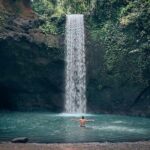
Tirta Empul Temple is where the day leans into living tradition. The site is tied to a holy spring in the village of Manukaya in central Bali. It’s also connected to a well-known tale of good versus evil, which gives context for why the spring matters.
What you should know before you go:
- This is not just a photo stop. It has a ceremony feel because people visit with religious purpose.
- Expect to see water-focused activity around the temple complex.
This stop is about one hour with admission included. If you plan to take photos, be respectful and keep your distance when people are participating in rituals. Also, since it’s spring-related, you might want to be mindful of slick surfaces.
You can also read our reviews of more tours and experiences in Seminyak




Stop 4: Gunung Kawi Sebatu and the Stairs Into the Valley
Now for the stop that tends to surprise first-timers: Gunung Kawi Sebatu Temple. Reaching the rocky temple area means walking down into the valley using a couple hundred steps. That’s part of the experience, but it’s also the main downside for anyone with mobility issues.
On the way down, there are also shops selling typical tourist items, though they also include some more unique handmade goods. This can be a good moment to pick up something small if you want a Bali souvenir that doesn’t feel like a mass-produced store.
What you’ll enjoy here:
- The physical descent adds drama—your perspective changes as you go.
- It’s a temple setting that feels more rugged than the big central complexes.
You get around one hour at this stop, admission included. My practical advice: wear grippy footwear and take your time on the stairs. If you’re traveling with anyone who tires easily, this is the one part of the day where you may want to adjust expectations.
Stop 5: Elephant Cave (Goa Gajah) and the Archaeology Behind the Name
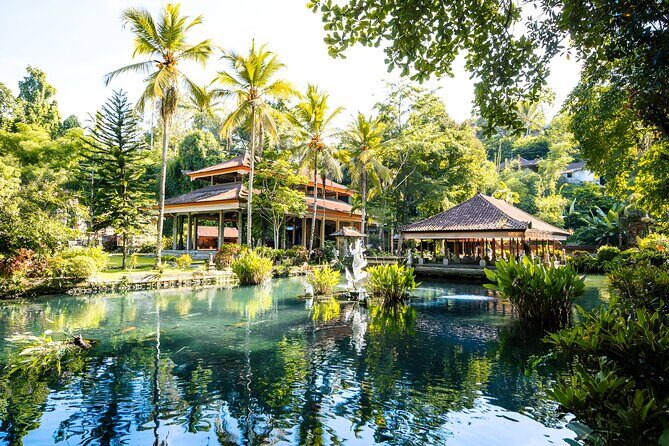
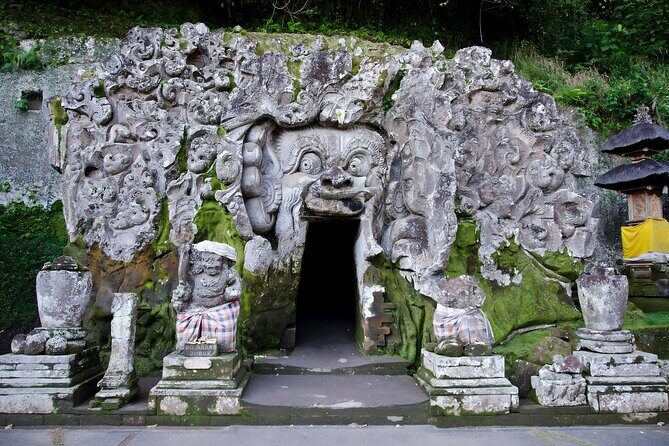
Elephant Cave is also known as Goa Gajah. The name can be misleading, because it gives the impression of a gigantic elephant-filled dwelling. In reality, it’s an archaeological site with significant historical value.
Why this stop works well in the middle of your day:
- It’s a reminder that not all Bali temple sites are only about today’s ceremonies; some are tied to earlier layers of culture and artistry.
- It’s also a change of pace visually. You’re not just seeing one style of structure—you’re seeing a site with a different story.
You’ll spend about one hour here with admission included. This is also a good time to slow down for photos and take a minute if your feet are tired.
The Drive Between Temples: Famous Village, Volcano, and Another Temple Along the Way
Between major stops, you’ll pass by a few standout sights that add texture to the day: a famous village, a volcano, and another temple. Exact names aren’t specified in the tour outline you provided, but this “along the way” sightseeing is useful because it keeps the day from feeling like only gates and ticket lines.
Also, these are moments to look out the window and start connecting what you’ve learned at each temple with the wider Balinese landscape around it—so you understand the sites as part of daily life and geography, not isolated monuments.
Lunch at a Bali Buffet: When Included Food Actually Helps
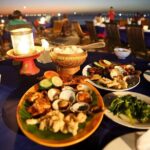
You’ll have an Indonesian buffet lunch included (for the lunch option). This matters because a full-day temple route can go sideways if you have to find food while everyone’s hungry and the schedule is already tight.
A practical way to handle buffet lunch days:
- Eat earlier rather than later if you can, so you don’t feel rushed before the next stop.
- If you want more flexibility, look for a vegetarian option. A vegetarian option is available if you request it at booking.
Soft drinks and alcohol are not included, so if you’re planning to have a drink with lunch, treat it as an add-on.
Timing, Pacing, and What to Expect From a 9–10 Hour Route
This is a long day: roughly 9 to 10 hours total. That’s normal for hitting five temple stops plus driving time. Each main stop is about one hour, so you’re not lingering for hours—but you also aren’t sprinting through in minutes.
The pacing is ideal if you want:
- Cultural context from a driver who can explain what you’re looking at.
- Enough time at each stop to read the vibe and take photos without panic.
It’s less ideal if you want to sit and slow-walk everything for hours. If you like deep quiet time at sites, you might find the day feels structured.
Good to know: the tour is described as requiring good weather. If it’s canceled due to poor weather, you should be offered a different date or a full refund.
Photography and Respect: How to Get Great Shots Without Getting in the Way
The tour includes guidance and a driver who can help with your experience, and one review highlighted that the driver took great phone photos. That’s a helpful sign: you’re not just handed a route; you’ll likely get assistance with angles and timing.
Still, keep it respectful:
- At ritual-focused places like Tirta Empul, watch before you shoot.
- If you see people participating, give them room and avoid blocking walkways.
Bring your camera and sunscreen, and plan on taking more photos than you think—because each stop has a different visual feel.
Price Reality Check: What You’re Really Paying For
At $70 per person, you’re paying for several value points that add up:
- Private transportation in an air-conditioned vehicle.
- A professional English-speaking driver and on-the-ground guidance.
- Temple entrance tickets included across multiple sites.
- Lunch included (Indonesian buffet).
- Petrol and parking, plus tax and services included in the package.
Your extra costs are mostly personal—plus soft drinks and alcohol if you want them. In other words, you’re not constantly adding money just to keep the day moving.
If you’re traveling with friends or family, private tours often feel even better because you split the “day cost” while keeping the experience flexible.
Who This Tour Suits Best (And Who Might Want Another Plan)
This private temple route is a strong fit if:
- You want maximum temple coverage in one day.
- You prefer pickup from your hotel instead of meeting somewhere far away.
- You like cultural explanations and want someone to help you understand what makes each temple special to Indonesians.
It might be less ideal if:
- You have limited mobility or struggle with stairs, because Gunung Kawi Sebatu involves a significant walk down to the valley.
- You want a slow travel day with long breaks and minimal driving.
If this is your first Bali trip, it’s also a good “orientation day” because it hits several major styles of sacred sites—highland landmark temples, spring-water rituals, and older archaeological settings.
Should You Book This Private Bali Temple Day Tour?
I think you should book it if you want a clean, well-paced way to see key temples without the hassle of ticketing and navigation. The combination of private transport, included temple admissions, and lunch makes the day feel organized rather than stressful.
Don’t book it if you’re hoping for an easy, low-walking day, or if your schedule is ultra-sensitive to weather. The route is structured, the day is long, and one stop (Gunung Kawi Sebatu) does involve serious stairs.
If your goal is to get your bearings fast and leave with a real sense of how temple culture works across different sites, this private tour delivers.
FAQ
How long is the Bali Full Day Temple Tour?
The tour runs about 9 to 10 hours.
Is this tour private?
Yes. It’s a private tour, meaning only your group is in the vehicle.
What’s included in the price?
The tour includes air-conditioned transport, a professional English-speaking driver, all entrance tickets, petrol and parking fees, tax and services, and hotel/villa pickup and drop-off. An Indonesian buffet lunch is included if you select that option.
What is not included?
Soft drinks and alcohol are extra, along with personal expenses.
Do you offer vegetarian lunch?
Yes. A vegetarian option is available if you advise the provider at booking.
Where do pickups happen?
Pickup and drop-off are offered from many areas including Seminyak, and also other nearby zones like Ubud, Sanur, Denpasar, Tanjung Benoa, Nusa Dua, Uluwatu, Jimbaran, Kuta, Legian, Kerobokan, and Canggu.
What should I wear and bring?
Dress code is smart casual. Bring sunscreen and a camera.