REVIEW · SEMINYAK
Bali Full-Day to Exploring The Most Popular Bali Temples Tour
Book on Viator →Operated by Telaga Waja Rafting Bali · Bookable on Viator
Temples, cleansing water, and a tight route. This full-day private tour strings together Bali’s most famous Hindu sites, with hotel pickup and entrance tickets built in. You’re also riding in an air-conditioned vehicle, which matters when you’re packing five temples into one day.
I like the order of stops. You start with Kehen Temple’s steep approach, then move up in scale at Besakih, Bali’s Mother Temple. I also like that Tirta Empul is not just a pretty courtyard, because the holy spring feeds purification baths, pools, and even fish ponds around the outer area.
One drawback to plan around is that temples can be affected by maintenance. In one case, Kehen Temple was closed due to restoration, and the driver (Ketut) offered a swap to Ulu Petanu waterfall instead.
In This Review
- Key things to know before you go
- A private temple route that starts in Seminyak
- Stop 1: Kehen Temple and the steep staircase approach
- Stop 2: Besakih Temple, Bali’s Mother Temple scale
- Stop 3: Tirta Empul’s holy spring and the purification baths
- Stop 4: Gunung Kawi Sebatu’s water-focused Vishnu shrine
- Stop 5: Goa Gajah (Elephant Cave) and the archaeological side
- Lunch in the Besakih area: scenery plus a needed break
- The in-between village stops: wood carving, metalwork, and weaving
- Price and value: what you’re really paying for at $90
- Time management: how to survive a 9 to 10 hour temple day
- What to expect from the driver and guide style
- Dress code and on-site basics
- Who this tour suits best
- Should you book this Bali temple tour from Seminyak?
- FAQ
- How long is the Bali full-day temple tour?
- Is hotel pickup and drop-off included?
- Are entrance tickets included?
- Does the tour include lunch, and is vegetarian food available?
- What dress code should I follow, and what should I bring?
- What happens if the weather is poor or you need to cancel?
Key things to know before you go
- Private vehicle, just your group: no other participants in the car, so the day stays flexible.
- All entrance tickets included: you don’t have to negotiate ticket lines five times.
- Tirta Empul’s cleansing water system: holy spring water powers the purification pools you can see on-site.
- Besakih’s Mother Temple scale: it’s treated as a major spiritual center, not a quick photo stop.
- Temple-adjacent breaks for lunch: you’ll pause with a buffet lunch in the Besakih area (if you choose that option).
- Passing craft villages: you’ll go by areas known for wood carving, gold and silversmith work, and hand weaving.
A private temple route that starts in Seminyak
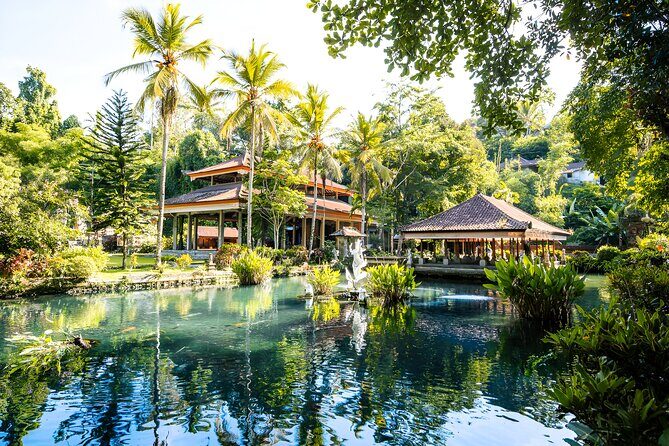
This is built for people who want the famous Bali temples without spending the whole day figuring out transport. Pickup and drop-off are included from hotel or villa in the Seminyak area, and the ride is handled in an air-conditioned vehicle.
The schedule is straightforward: five temple stops, each timed at about an hour, plus transit. The tour runs roughly 9 to 10 hours, so you’ll want to treat it like a day trip with a plan, not like a slow wander.
You can also read our reviews of more tours and experiences in Seminyak


Stop 1: Kehen Temple and the steep staircase approach
Kehen Temple is the kind of place where your body feels part of the experience before you even reach the gate. Worshippers burn offerings on a small hearth, and the temple sits above a steep slope.
To get to the entrance, you climb a stone staircase with 38 steps. That detail matters because it shapes the pacing. If you’re tired from travel, bring your patience, take your time, and keep an eye on footwear since you’ll be walking on uneven temple paths.
The big upside is the setting. Kehen is described as one of Bali’s most beautiful temples, so it’s a strong first stop. The downside is also part of that “temple-world” reality: if there’s restoration work, the stop may change. One group had Kehen replaced with a Ulu Petanu waterfall by their driver Ketut, which is a good reminder to stay flexible.
Stop 2: Besakih Temple, Bali’s Mother Temple scale
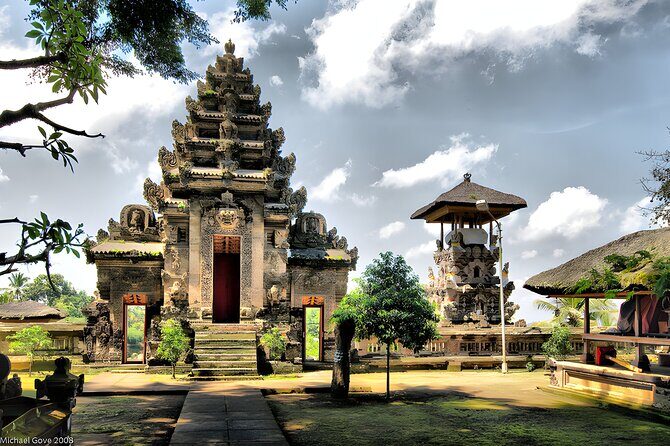
Next up is Besakih Temple, often treated as Bali’s Mother Temple. It’s one of the most popular spiritual sites on the island and is revered since ancient times, so you should expect both size and significance.
Plan for a concentrated visit rather than a full “read every carving” marathon. You’ll have about an hour here, which is usually enough time to take in the complex without rushing. If you’re into architecture and layouts, Besakih rewards your attention because the site is not a single doorway and done.
After Besakih, the day shifts toward a practical reset: a lunch break in the Besakih area. This matters because you’re still early in your full-day temple run, and food plus shade helps you keep going.
Stop 3: Tirta Empul’s holy spring and the purification baths
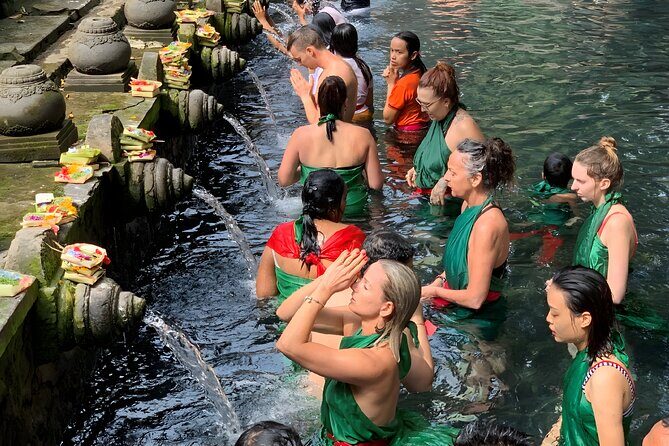
Tirta Empul is where the tour gains its “you can feel it” quality. The name points to the holy water spring, which is the water source within the temple grounds.
The spring feeds purification baths, pools, and fish ponds around the outer perimeter. That means the site isn’t only visual. You’re walking through a place designed around cleansing rituals, so the atmosphere is calmer and more focused than the typical sightseeing stop.
You’ll have about an hour. I’d use that time to observe first, then step closer to the areas where the water system is visible. If you’re watching from the edges, it’s a good way to respect the ritual setting while still seeing how the whole water feature works.
Stop 4: Gunung Kawi Sebatu’s water-focused Vishnu shrine
Gunung Kawi Sebatu is a Hindu water temple dedicated to Vishnu, described as the ruler of water. The site is located in a dip in the land, and it’s surrounded on three sides by stonewalls.
That “lower-in-the-land” design changes the feel of the visit. Even without additional bells and whistles, the setting suggests water has shaped the whole experience here. It’s a nice contrast after Tirta Empul: similar theme, different layout and mood.
Again, the stop is about an hour. This is the moment to look for the quiet details you might otherwise skip: how the stone walls guide movement, and how the water theme ties back into the temple’s purpose. If you’re the type who likes spiritual symbolism, this stop rewards that interest.




Stop 5: Goa Gajah (Elephant Cave) and the archaeological side
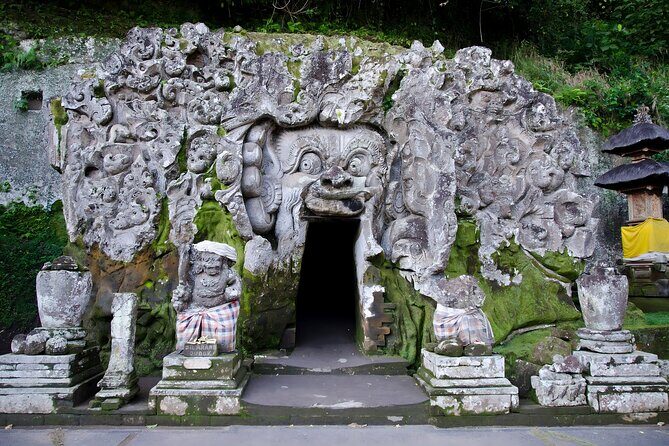
You finish with Goa Gajah Temple, also known as Elephant Cave. Unlike purely modern-feeling temple stops, this one is noted as an archaeological site with significant historical value.
It’s located on the cool western edge of Bedulu Village. That phrasing hints at why it can feel like a different world from the busier temple areas: more “site” and less “festival courtyard,” depending on the day.
This stop is about an hour, which is enough to understand the significance without overpacking your mind with details you won’t remember. If you enjoy history, treat Goa Gajah as your closer: it gives the tour a deeper time layer than the water temples alone.
Lunch in the Besakih area: scenery plus a needed break
Lunch is a key part of why this route works. You’ll have a buffet lunch in the Besakih area if you select the buffet lunch option, and one review specifically praised the lunch site scenery and the food quality.
At around the midpoint of a 9 to 10 hour day, this break does more than fill your stomach. It resets your energy so the final two temple stops don’t feel like a sprint.
If you have dietary needs, vegetarian is available if you advise at booking. Don’t wait until the day of the tour to mention it, since you’ll be eating as part of a scheduled stop.
The in-between village stops: wood carving, metalwork, and weaving
Even though the itinerary focuses on temples, the route includes passes by craft and traditional areas. You’ll pass famous traditional village spots, plus areas known for wood carving, gold and silversmith work, and hand weaving.
These aren’t long “shopping and browsing” detours. They’re more like quick context stops from the road. Still, they help you understand Bali beyond temple gates. When you later see temple details in person, you’re more likely to notice how craft traditions feed the aesthetic of religious life.
Price and value: what you’re really paying for at $90
At $90 per person, the value depends on what you compare it to. You’re paying for a full-day, private, air-conditioned route with hotel pickup and drop-off in the Seminyak area, an English-speaking professional driver, and entrance tickets for all the temple stops.
If you were to assemble this yourself, you’d likely pay separately for transport, driver time, and admissions. Here, those costs are bundled, and that reduces stress.
The other value point is the private setup. Even if you’re traveling with just a couple or small group, you get your own vehicle and no shared-ride compromises. That’s a big deal on temple-heavy schedules where timing matters.
One small note: the tour description mentions group discounts as a feature, while the tour itself is described as private with no other participants in the vehicle. Translation for your planning: your trip is still private, but the provider may offer better rates when booking certain group sizes.
Time management: how to survive a 9 to 10 hour temple day
This is a “five stops in a day” plan, with each temple listed at about an hour. That makes it efficient, but you still need to think like a marathoner, not like a casual browser.
My practical advice: arrive at each stop with a simple goal. For example, at Kehen, focus on the staircase approach and offering hearth concept. At Tirta Empul, focus on the spring-fed purification pools. When you finish with that goal, move on. It keeps you from burning your energy trying to take in everything at once.
Also, bring a sunscreen and camera, as the tour notes. You’ll be outdoors between stops, and you’ll want to document the key moments without scrambling for supplies mid-day.
What to expect from the driver and guide style
The tour includes a professional English-speaking driver who also acts as your tour guide. In a private tour, the driver’s approach matters because there’s less opportunity to “wander and find your own way” if you’re short on time.
In one review, the driver named Ketut gave early notice about restoration work at Kehen and proposed a substitution to Ulu Petanu waterfall, which suggests a problem-solving style rather than a rigid “no changes allowed” approach. If your priority is a smooth day, that kind of flexibility is worth something.
The tour also says flexible time arrangement can be made based on your request. That’s helpful if you want slightly more time for one temple or need to slow down.
Dress code and on-site basics
The dress code is smart casual. The tour also tells you to bring sunscreen and a camera. That’s the practical side covered.
Since all the stops are temples and spiritual sites, you should plan to move through areas with stairs and walkways. Comfortable shoes make a bigger difference than you might think, especially for Kehen’s stone staircase approach.
Who this tour suits best
This tour is a good fit if you want a classic Bali temple highlights route without planning a multi-day itinerary. It’s also ideal if you prefer a private format, since you control pacing and you’re not squeezed between strangers.
I’d particularly recommend it for couples and small groups who want structure. You’ll see a spiritual range across water-themed and mother-temple scale stops, then finish with the archaeological feel of Goa Gajah.
If you’re the kind of person who wants long, slow stays at each site, you might find the “about an hour” timing a bit tight. In that case, you may prefer a lighter route with fewer stops.
Should you book this Bali temple tour from Seminyak?
I’d book it if your goal is the most popular Bali temples in one day with hotel pickup, entrance tickets included, and a private vehicle. The route makes sense: Kehen for dramatic approach, Besakih for major spiritual scale, Tirta Empul for water and purification, Gunung Kawi Sebatu for Vishnu and water, then Goa Gajah for the archaeological finish.
I would think twice only if you hate stairs or you know you’ll be sensitive to schedule changes due to maintenance. The one real warning sign from the experience notes is that Kehen can be affected by restoration, and substitutions may happen. That doesn’t make the tour bad, but it does mean you should stay open-minded.
FAQ
How long is the Bali full-day temple tour?
It runs about 9 to 10 hours.
Is hotel pickup and drop-off included?
Yes. Pickup and drop-off service are provided from hotels or villas in the Seminyak area.
Are entrance tickets included?
Yes. All entrance tickets are included.
Does the tour include lunch, and is vegetarian food available?
Buffet lunch is included if you select the buffet lunch option. A vegetarian option is available if you advise at the time of booking.
What dress code should I follow, and what should I bring?
The dress code is smart casual. Bring sunscreen and a camera.
What happens if the weather is poor or you need to cancel?
The tour requires good weather. If it’s canceled due to poor weather, you’ll be offered a different date or a full refund. Cancellation is free up to 24 hours in advance for a full refund.