Crystal-clear water and real animals make Nusa Penida work hard for your time. I like how the day starts with convenient hotel pickup and ends with included snorkeling equipment and a guide. I also like the route: Crystal Bay (Wall Point), then Gamat Bay, then Manta Bay, so you’re not just chasing one type of wildlife.
One thing to think about: the schedule can feel fast and weather-dependent, and manta rays are never guaranteed—especially when waves are up.
In This Review
- Key highlights to know before you go
- From Seminyak Pickup to Sanur Speedboat: how the day runs
- Crystal Bay (Wall Point) snorkeling: turtles and clear visibility
- Gamat Bay coral gardens: fish, critters, and steady scenery
- Manta Bay manta rays: what to expect and why sightings vary
- Boat size, timing, and comfort on a 6–7 hour trip
- Price and what you actually get for $90 per person
- What to bring: sunscreen, camera, and change clothes
- Who this Nusa Penida snorkeling tour is best for
- Should you book this Wall Point, Gamat Bay, and Manta Bay snorkeling tour?
- FAQ
- How long is the snorkeling portion?
- Is pickup available from Seminyak?
- What snorkeling equipment is included?
- Is lunch included?
- Do I need to bring a towel?
- Are there age limits?
- What boat transport is included?
- What happens if weather is bad?
Key highlights to know before you go
- Pickup from multiple Bali areas including Seminyak (and nearby neighborhoods)
- Three snorkeling stops with about 40 minutes at each one
- Included gear: mask, fins, and a life jacket
- Manta Bay chance to see coral manta rays (Manta alfredi)
- Small snorkeling boat format with sharing arrangements
- Most of your day is transit time (not long snorkel sessions)
From Seminyak Pickup to Sanur Speedboat: how the day runs
This is built as a full-day water outing, starting on Bali and finishing back on Bali. If you’re staying in Seminyak, you’ll get collected from your hotel or villa, then head to Sanur Beach for the shared speedboat crossing to Nusa Penida.
Expect the “real time” of snorkeling to be shorter than the total day length. The snorkeling portion is scheduled as three blocks of about 40 minutes each at the sites, so you’re really looking at roughly 2 hours in the water, with the rest of the day spent on the boats and between stops.
That speedboat day-to-day feel can be the charm or the annoyance, depending on your mood. I’d plan for a trip that’s efficient rather than slow and leisurely.
You can also read our reviews of more snorkeling tours in Seminyak
Crystal Bay (Wall Point) snorkeling: turtles and clear visibility
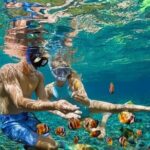
Your first water stop is Crystal Bay (Wall Point), one of the best snorkeling areas on Nusa Penida for clear visibility. This is the place where you can expect coral formations and lots of marine life, and it’s also where turtles can be seen quite regularly.
Why this stop matters: getting a strong first look helps set expectations. If you’re hoping to photograph animals, starting here tends to give you the best chance to spot movement quickly while you’re fresh and adjusted in the water.
What to watch for: water clarity and coral condition can shift with conditions. If the sea state is less than perfect, you might find visibility isn’t as crisp as you hoped, and you may notice some coral that doesn’t look pristine.
Gamat Bay coral gardens: fish, critters, and steady scenery
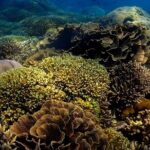
Next up is Gamat Bay, a site known for coral gardens and lots of small life. This stop is aimed at the “wow, look at all that fish” experience—think schools and clusters of underwater critters making use of the coral structure.
Why you’ll likely enjoy it: if your only goal is manta rays, you might feel impatient once you’re in the water. Gamat Bay helps because you’re rarely staring at an empty ocean. Even when big animals are absent, the bay’s marine life keeps things interesting.
One practical consideration: each stop is about 40 minutes, so the guide’s timing matters. If you want lots of slow drifting time to watch fish behavior, arrive ready to move quickly between the boat and the water so you don’t waste your session getting settled.
Manta Bay manta rays: what to expect and why sightings vary
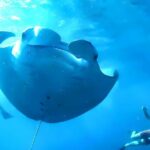
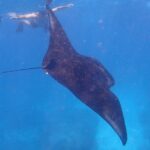
The big finale is Manta Bay, where the chance is for coral manta rays (Manta alfredi), along with other animals such as spotted stingrays and nurse sharks. The trip is designed around manta watching, and manta sightings are described as happening almost daily, but “almost” is the key word.
Here’s the honest reality to plan around: manta rays depend on animal behavior and the conditions the team faces that day. If the waves are high, the experience can become more about getting safe snorkeling time than about finding manta rays at close range.
So what should you do with that uncertainty? If you’re booking, go in with two goals:
- Want a realistic shot at manta rays at the last stop
- Still enjoy the other two sites if the mantas don’t show
That mindset makes the day feel like a success, even when the big ticket animal decides to stay out of view.
Boat size, timing, and comfort on a 6–7 hour trip
The overall tour runs about 6 to 7 hours. In practice, you’ll feel that as a “transfer-heavy” day: transportation, ports, gear handoffs, and movement between snorkeling spots add up fast.
You should also know the boat setup is sharing on the water. The snorkeling boat is described as small (around a 10–12 seater feel), and there typically isn’t the sort of onboard comfort you’d expect from a bigger tour vessel with extra space.
For comfort planning, that means:
- Dress in smart casual but bring a plan for when you need to change clothes afterward
- Bring camera but keep it protected from spray
- Use sunscreen before you’re in the sun for the speedboat segments
Also, timing can be a little flexible. With shared logistics, fast crossings, and changing sea conditions, you may feel there’s less of a strict minute-by-minute schedule once you’re on the water.



Price and what you actually get for $90 per person
At $90 per person, this tour sits in the “mid-range for Nusa Penida snorkeling” category. The value is strongest when you factor in what’s included:
- Return speedboat ticket (sharing boat) between Sanur and Nusa Penida
- Snorkeling boat (sharing boat)
- Mask, fins, and life jacket
- Professional snorkeling guide
- Taxes and services
What’s not included is where you should budget smartly: lunch, towels, and personal expenses. If you hate improvising, pack what you can and plan to pay for food on your own.
Also note the privacy nuance. The tour is described as private, meaning your vehicle pickup experience is just you and your party. But the speedboat and snorkeling boats are shared, so don’t expect full private-only water time.
If you’re traveling as a pair or small group, the included guide and equipment can make the price feel fair. If you already own good snorkel gear and don’t care about a guide, you might find cheaper DIY options—but you’d likely lose the tight three-site structure.
What to bring: sunscreen, camera, and change clothes
The essentials are pretty clear, and you’ll thank yourself for following them. Bring:
- Sunscreen
- Camera
- Change of clothes
Because you’re on the water for multiple segments, sunscreen is not optional. A rash-guard setup isn’t mentioned, so stick to what the tour advises and protect your skin early.
Towels aren’t provided, and lunch isn’t included either. If your hotel is already far from the pickup point, plan around the fact that you’ll be out for most of the day and won’t want to scramble for snacks mid-journey.
Who this Nusa Penida snorkeling tour is best for
This outing fits best if you want a well-paced, three-stop Nusa Penida snorkeling day with a guide and gear handled for you.
It’s a good match for:
- People who want a structured route rather than figuring out transport and sites on your own
- First-timers to Nusa Penida who benefit from having someone manage timing and safety
- Wildlife-focused snorkelers who want both coral life and a manta ray shot
It may be less ideal if you:
- Expect long time in the water for deep, slow snorkeling sessions (each stop is about 40 minutes)
- Hate small boats and fast timing on open water
- Are traveling strictly for manta rays only, no backup plan
Age limits are also part of the decision. The tour allows ages 5 to 60, and it’s described as suitable for most travelers as long as you’re comfortable with a day outdoors and on the water.
Should you book this Wall Point, Gamat Bay, and Manta Bay snorkeling tour?
I think you should book if your priority is a guided, equipment-included Nusa Penida day that hits three major snorkeling zones, with a real chance at manta rays on the last stop. The best-case scenario is exactly what the itinerary is built for: turtles and coral life early, a dense fish-and-critters scene in the middle, and manta ray potential at Manta Bay.
Skip or reconsider if you need:
- A long, relaxed snorkeling session (your time in-water is limited per stop)
- Guaranteed manta rays (they can be affected by sea conditions and animal behavior)
- Big-boat comfort (the snorkeling boat is described as small)
If you book, go in expecting an efficient day with meaningful wildlife chances, not a slow cruise. That mental setup is what turns “short snorkel sessions” into “smart use of time” on Nusa Penida.
FAQ
How long is the snorkeling portion?
Each stop—Crystal Bay (Wall Point), Gamat Bay, and Manta Bay—is scheduled for about 40 minutes, so you get roughly 2 hours in the water total.
Is pickup available from Seminyak?
Yes. Pickup is offered from Seminyak (and multiple other areas such as Kuta, Denpasar, Canggu, Sanur, Nusa Dua, Jimbaran, Legian, and Tanjung Benoa).
What snorkeling equipment is included?
You’ll be provided with a mask, fins, and a life jacket.
Is lunch included?
No. Lunch is not included.
Do I need to bring a towel?
No towel is listed as included, so you should plan to bring one.
Are there age limits?
Yes. The minimum age is 5 years and the maximum age is 60 years.
What boat transport is included?
Return transport is included by speedboat from Sanur to Nusa Penida, and you’ll also use a snorkeling boat between sites (sharing boats are part of the setup).
What happens if weather is bad?
The experience requires good weather. If it’s canceled due to poor weather, you’ll be offered a different date or a full refund.