REVIEW · SEMINYAK
Ubud Cultural Day Tour: A Day for Balinese Cultural Experience
Book on Viator →Operated by The Bali Driver · Bookable on Viator
Ubud in one day sounds impossible, but this route pulls it off. You get a professional guide plus a tight mix of Bali religion, art-making stops, and scenery like Tegalalang Rice Terraces. I also like that the day is structured around key Hindu sites, not just random photo stops.
The main thing to consider is that it packs a lot in, so you’ll need to accept a fast rhythm and a bit of driving between sites. Lunch is on your own, and some art and coffee stops can feel more sales-focused than sightseeing-focused.
In This Review
- Key highlights to pay attention to
- How this Seminyak-to-Ubud day is designed
- Price and value: what $75 really buys
- Barong Dance & Fire Dance: the myth you’ll actually understand
- Celuk and the art villages: where the crafts start
- Batuan Temple and Goa Gajah: ancient places with strong storytelling
- Sacred Monkey Forest Sanctuary: conservation context matters
- Ubud Palace: culture as living practice
- Tegalalang Rice Terraces: photo views with a real engine behind them
- Elephant Cave plus the coffee stop: how the day balances religion and daily life
- Transportation and pacing: where the day can feel tight
- Lunch and shopping choices: set your boundaries early
- Who should book this Ubud Cultural Day Tour
- Should you book it?
- FAQ
- What time does the tour start?
- Where is pickup offered?
- Is lunch included in the price?
- How long is the tour?
- Is the tour private?
- Are admission tickets included for the stops?
Key highlights to pay attention to

- Barong and Fire Dance: the classic good-versus-evil story behind the masks
- Celuk art villages: a practical look at how local crafts get made
- Sacred Monkey Forest Sanctuary: conservation context plus long-tailed monkey viewing
- Goa Gajah (Elephant Cave): 9th-century cave sanctuary with dramatic carvings
- Civet coffee at Bali Pulina: a behind-the-process stop in the middle of temple touring
How this Seminyak-to-Ubud day is designed
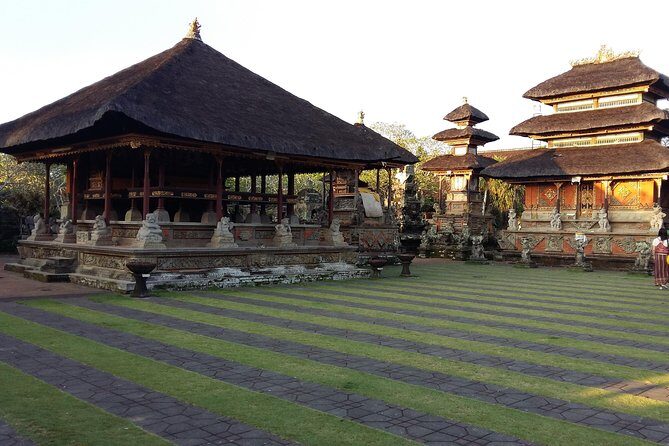
This tour is built for people who want a full picture of Bali culture without trying to organize buses, tickets, and time slots on their own. You start early, around 8:00 am, and you’re back later the same day (about 9 to 12 hours total).
You’ll be based out of Seminyak, with hotel pickup and drop-off included. The tour runs as a private group experience, so it’s less chaotic than the large group circuit, and you can usually move at the pace your guide sets for timing and viewing.
You can also read our reviews of more tours and experiences in Seminyak.


Price and value: what $75 really buys
At $75, you’re paying for four things that add up fast in Bali: guided interpretation, transportation, admission to the included sites, and small extras like bottled water. Even without lunch included, the “full-day package” model can be good value if you’d otherwise pay separate entry fees and hire a driver for the same route.
If you do like to shop, art and coffee stops can turn into value for your purchases. If you don’t, you’ll still get enough sight time that you aren’t forced to buy anything, as long as you set expectations early with your guide.
Barong Dance & Fire Dance: the myth you’ll actually understand
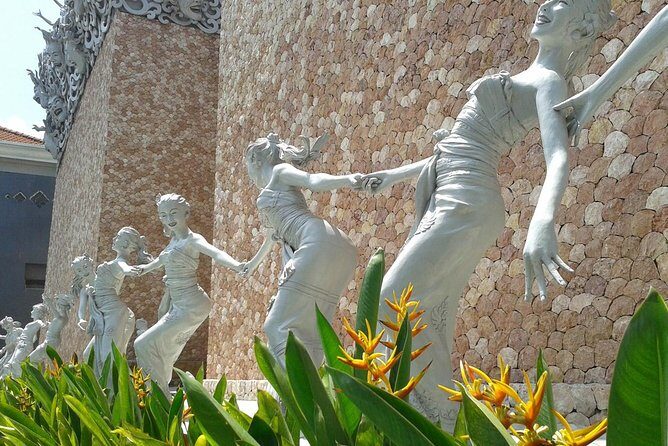
The day kicks off with Sahadewa Barong Dance & Fire Dance, and that start matters. Barong storytelling is one of the easiest ways to understand Balinese performance as more than entertainment.
This dance centers on a battle between good (the Barong) and evil (Rangda). It also helps to know that Barongs come in different forms, and this tradition is part of Balinese cultural practice, not just a stage show for tourists.
A practical note: performances take time, and there’s typically a waiting rhythm before you’re seated and ready. If you hate being rushed, arrive with a calmer mindset for the early start and the fact that the show comes first.
Celuk and the art villages: where the crafts start
Next up is Celuk Village, a stop that’s all about craft. This is where you can see the kind of work that shows up later in souvenir shops: metalwork and other Balinese art forms created by local makers.
Celuk is often positioned alongside other craft-focused village areas (the day plan references the wider network), so you may get a sense of how styles and techniques differ from place to place. The time here is about one hour, which is just enough to browse and ask questions without turning it into a long shopping detour.
One useful strategy: if you’re not shopping, tell your guide you want browsing time only. Some stops offer plenty of displays, and you can keep your attention on how items are made rather than on price pressure.
Batuan Temple and Goa Gajah: ancient places with strong storytelling

The itinerary includes a visit to Puseh Batuan Temple (around 30 minutes). This site is described as an ancient temple dating back to the 10th century, and the walls feature story scenes like the Ramayana and Mahabharata.
Even in half an hour, this stop pays off because it anchors the day in visual theology. You’re not just saying you saw a temple; you’re seeing how stories are carved into space and repeated in daily cultural practice.
Then the day moves to Elephant Cave (Goa Gajah), built in the 9th century. The cave functioned as a sanctuary, and the entrance has carved reliefs of menacing creatures and demons, with a primary figure carved right into the rock.
This is the kind of stop where timing matters. If you come at a busy moment, you may move more slowly through the site. Still, the setting is dramatic enough that even short viewing time feels meaningful.




Sacred Monkey Forest Sanctuary: conservation context matters
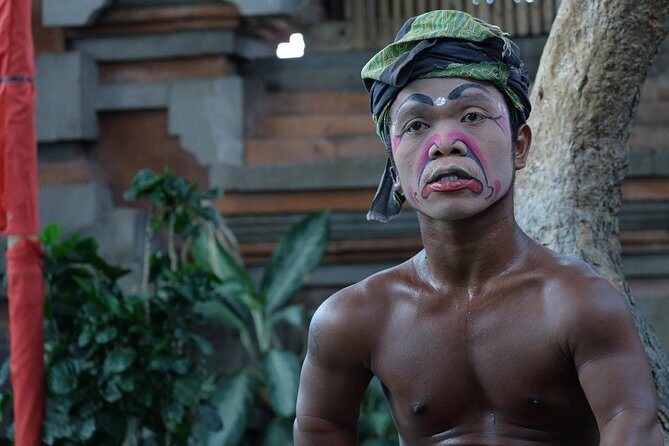
One of the most fun moments on this day is the Sacred Monkey Forest Sanctuary stop. It’s about one hour, and it’s described as a well-maintained conservation forest with over 500 sacred but friendly monkeys.
What makes it more than a monkey photo mission is the cultural belief tied to the site: the monkey colony is treated as a guardian of the Pura Dalem Temple located inside the forest. Your guide’s job here is to explain how that belief shapes behavior and local attitudes toward the animals.
For you, that means you should treat the forest as part nature stop and part cultural stop. Expect people to point out monkeys constantly, but also be ready for your guide to explain why the sanctuary exists and what local rules aim to protect.
Ubud Palace: culture as living practice
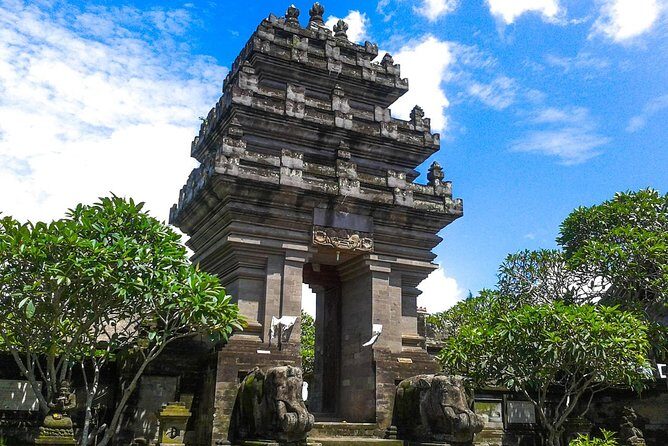
The tour also includes Ubud Palace, with around 30 minutes on-site. This is described as a royal family house that now operates as a cultural show and conservation space for Balinese culture.
So even if you’ve seen palaces elsewhere, this one reads differently because it’s tied to ongoing cultural roles. The royal family is described as having an important function in protecting and maintaining Balinese culture into the future.
If your schedule is tight, take a moment here to look past the classic palace photos. Ask your guide about what the palace represents today, not just what it looked like when it was used as a residence.
Tegalalang Rice Terraces: photo views with a real engine behind them
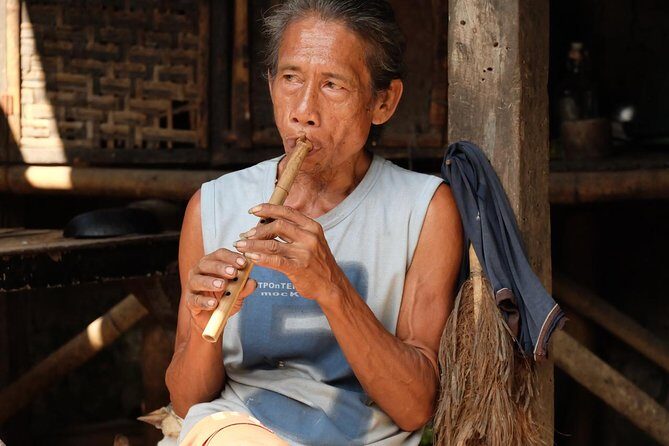
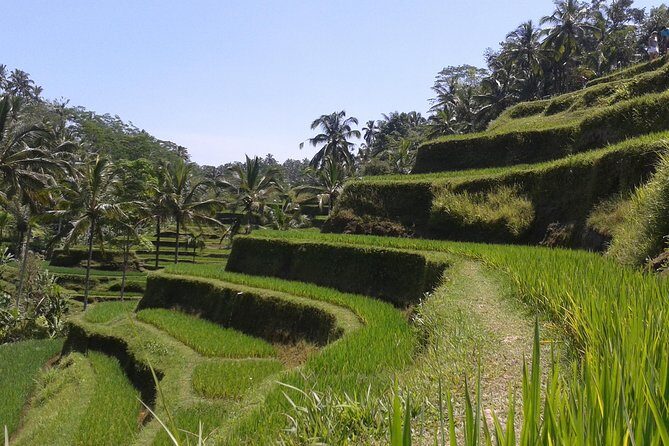
Tegalalang Rice Terrace is one of the big scenic stops, and it’s easy to see why. You get 30 minutes with views of layered rice paddies and tropical greenery, plus a bit of the cool breeze effect that comes with being near water and open slopes.
The value isn’t only visual. The stop emphasizes that farmers have worked for hundreds of years to create the terrace system, which turns the photo into a lesson about long-term land use.
If you want the best photos, the trick is simple: pause for a few minutes longer than you think you need. With short stops, the best light and the best angle often require waiting for people to shift out of the frame.
Elephant Cave plus the coffee stop: how the day balances religion and daily life
The itinerary gives you major temple time (Batuan Temple, Sacred Monkey Forest, Ubud Palace, and Goa Gajah). It also adds something more modern and everyday: a stop at Bali Pulina Coffee Plantation to learn how civet coffee is produced.
That coffee visit is a nice counterweight. Temples explain belief and tradition, while plantation tours show how Balinese agriculture and the tourism economy overlap. If you like food stories, this section gives you a break from temple density without turning the day into pure shopping.
Still, remember that “coffee learning” can sometimes include sales-style pacing. If you only want the explanation part, you can stay focused on the process and skip extras.
Transportation and pacing: where the day can feel tight
Because this is a full-day route with multiple sites, the most likely friction point is timing. You’ll move from stop to stop with short viewing windows and occasional waiting.
This is where a good driver matters. The day plan includes hotel pickup and drop-off, and the tour is designed to keep you on schedule while still letting you look around. In other words, you’re not just getting dropped at each place; you’re moving through a planned circuit.
If you prefer slow travel, treat this as a sampler day. You’ll see a lot, but it’s not the style where you linger for hours at a single temple.
Lunch and shopping choices: set your boundaries early
Lunch isn’t included, which gives you flexibility but also means you need a plan. If you’re hungry on arrival, you’ll likely wait until a scheduled break, and the day will then pivot to food options near the route.
For shopping, you’ll pass through or near places that specialize in art and handicrafts. The tour’s own structure includes art village time, so if you hate that kind of stop, speak up at the start and ask to focus on viewing rather than buying.
If you’re shopping-minded, keep an eye on what you want before you start. Don’t decide halfway through the day when you’re tired and everyone is pushing you toward the “best deal.”
Who should book this Ubud Cultural Day Tour
This tour is a strong fit if you want a structured introduction to Ubud’s cultural side in one day: temple sites, Barong performance, Monkey Forest, rice terraces, and art-making stops.
It’s especially useful if you’re staying in Seminyak and don’t want to manage your own driver and ticket planning. It’s also a good match for couples and small groups because the experience is private for your group.
If you already know Ubud well and you want a slow, in-depth look at fewer sites, you might find the pace too intense. In that case, you may prefer a shorter route with longer temple time.
Should you book it?
Yes, with clear expectations. Book this tour if you want maximum variety—religion, performance, crafts, monkeys, and views—delivered by a guide who connects the dots for you.
Skip it (or pick a different format) if you hate fast pacing, don’t want any shopping-oriented stops, or need long, unhurried time at every site. For most first-timers who want a solid overview of Ubud culture, this hits the sweet spot.
FAQ
What time does the tour start?
It starts at 8:00 am.
Where is pickup offered?
Hotel pickup and drop-off are included, and the tour is located around Seminyak, Indonesia.
Is lunch included in the price?
No. Lunch is not included, so you’ll need to plan to buy it during the day.
How long is the tour?
The duration is approximately 9 to 12 hours.
Is the tour private?
Yes. It’s listed as private, meaning only your group participates.
Are admission tickets included for the stops?
Yes. Each listed stop includes an admission ticket included note, and bottled water plus a driver/guide are also included.