Holy water, rice terraces, and crafts in one day. This private Ubud tour brings you to Tirta Empul, plus iconic nature sights and hands-on culture stops, with an English-speaking driver-guide and real time to wander. You’re not stuck in a bus the whole day; you get moments to breathe, look, and ask questions.
I love how private the pacing feels. I also like that the driver-guide narrates the meaning behind what you’re seeing, then gives you space to explore on your own at each stop.
One possible drawback: there’s no lunch included, and Tirta Empul participation can mean extra small costs like a sarong if you join the ritual.
In This Review
- Key highlights you’ll actually care about
- The day plan: a packed Ubud loop that stays flexible
- Tirta Empul Holy Water Temple: where visitors become participants
- Bali traditional houses at Gung Aji: views and living architecture
- Tegalalang Rice Terrace: your best photo stop (and your best walk)
- Tegenungan Waterfall: a one-hour nature hit
- Mas village wood carving: watching craft become product
- Teba Sari Agrotourism: coffee tasting with context
- Price and value: what $23 really buys you
- Who this tour fits best (and who might not love it)
- How the guides shape the whole experience
- Should you book this Ubud tour with Tirta Empul?
- FAQ
- How long is the Ubud Tour With Tirta Empul Holy Water Temple?
- Where does pickup happen?
- Is this tour private?
- What’s included in the price?
- Are entrance fees included?
- Is lunch included?
- What happens at Tirta Empul Temple?
- How many major stops are there?
- Do I get a ticket on my phone?
- What’s the cancellation policy like?
Key highlights you’ll actually care about
- Private door-to-door car with pickup offered from hotels in Ubud and much of south Bali
- English-speaking driver-guide who explains what you’re seeing and keeps the day on track
- Tirta Empul holy water temple where you can join the ritual or simply watch
- Optional entrance-fee upgrade if you want a smoother, ticket-free feeling
- Big variety in one day: temple, traditional houses, rice terraces, waterfall, wood carving, coffee agrotourism
- Free Wi-Fi and bottled water for the long ride time
The day plan: a packed Ubud loop that stays flexible
This is an 8-hour private tour built around six major stops, with about an hour at each place. That structure matters in Bali, where travel time can creep up fast. The benefit is simple: you’ll hit the big sights, but you’re not just racing through them.
The tour is private, so only your group goes along. You’ll have a comfortable air-conditioned car and an English-speaking driver-guide who can narrate the culture points while still letting you choose your pace. If you want to linger for photos at Tegalalang or take extra time at the waterfall, the private format makes it easier to adjust.
One small practical note: some stops are “watch, learn, maybe shop” style. If you’d rather avoid purchase pressure, tell your guide up front you’re there to look and take photos only. It’ll help the day stay pleasant.
You can also read our reviews of more tours and experiences in Seminyak.


Tirta Empul Holy Water Temple: where visitors become participants
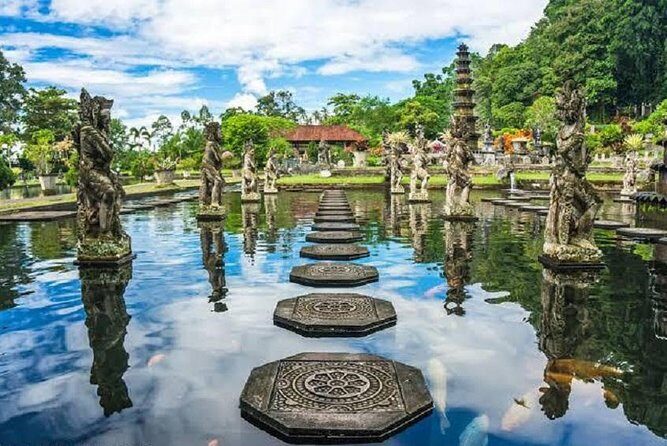
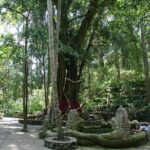
Tirta Empul is the heart of this itinerary, and it’s easy to see why people come. The temple is known for its holy water, and the site is open to the public. You can participate in the Hindu ritual—or you can watch from the right viewing area and still soak in the atmosphere.
Plan for modest dress and temple rules. If you want to take part in the holy water ritual, you’ll likely need a sarong, and you should expect to pay for it since it’s a requirement tied to participation. The driver-guide typically explains what to do before you go in, so don’t arrive confused and scrambling at the last second.
What I like about Tirta Empul in a tour like this is that you’re not left to guess. The guide’s role is especially valuable here because the “how” matters just as much as the “why.” Even if you stay an observer, you’ll get more meaning from what you’re seeing.
Bali traditional houses at Gung Aji: views and living architecture
Next up is Bali Traditional House Gung Aji in Batuan, Gianyar. This stop is mainly about seeing traditional Balinese houses and getting a sense of how local architecture sits in the landscape. It’s a favorite for travelers because it’s visual right away: you can look, take photos, and understand the layout instead of just hearing it in theory.
Expect this to feel more like a cultural viewpoint than a hands-on activity. You’ll have time to explore the area at your own pace for about an hour, and admission is included here. The best way to enjoy this stop is to look closely at details—rooflines, entrances, and how the spaces seem designed for daily life.
A consideration: if you dislike ticketed indoor/outdoor sites and prefer pure nature, this may feel less exciting than the terraces or waterfall. Still, it’s a good reset after Tirta Empul because it shifts from ritual to everyday design.
Tegalalang Rice Terrace: your best photo stop (and your best walk)
Tegalalang Rice Terrace is a must-visit on Bali itineraries, and this tour gives you about an hour there. Admission is free, which helps keep the day’s costs clearer. The rice terraces are the kind of place where the views look good from every angle—so the challenge becomes choosing where to stop.
Here’s how to make the most of your hour:
- Bring sun protection; the walk areas can feel exposed.
- Wear shoes with decent grip, because paths can be uneven.
- Keep your camera ready, but don’t ignore the small views between viewpoints.
Also, try not to rush the best views just because there are others around you. The terraces are rhythmic—slow steps let you notice how the fields are carved and maintained.
This is one of those stops where being with a guide helps indirectly. They can tell you what you’re actually looking at, so you’re not just collecting images—you’re learning what makes the place work.
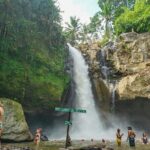
Tegenungan Waterfall: a one-hour nature hit
Tegenungan Waterfall is the tour’s big nature break, and it’s scheduled for about an hour. Admission here is free, so you’re paying mainly for time and transportation. Bali waterfalls can range from quick photo stops to slippery, muddy hikes; this one is designed for an easy visit that still feels dramatic.
What to expect: you’ll likely spend time walking to viewpoints and taking photos, then cooling off in the misty vibe. Wear comfortable footwear, because wet areas can turn paths slick.
The main drawback is that waterfalls in Bali can draw crowds, and the area can get busy around peak times. You can still have a great time—just treat it like a short, scenic reset. Once your hour is up, you’ll be ready for the craft and coffee parts that bring the day back into culture mode.




Mas village wood carving: watching craft become product
The stop listed as Dewa Malen Wood Carving is tied to Mas village, an area known for wooden arts. This is the craft-country side of Ubud: you’re moving from scenery into skill.
In about an hour, the point isn’t just to see finished pieces. It’s to understand the craft process behind them—how artisans work with wood and how traditional carving fits into daily life and local identity. If you enjoy art, this is the part of the day that makes Bali feel more human and less like a postcard.
There’s one practical consideration: places like this often sell items, and that can create an awkward moment if you’re not in a buying mood. My advice is simple. Start with a clear plan. If you want to buy, set a budget before you arrive. If you don’t, tell your guide you’re there for learning and photos only, then stay polite but firm.
Even if you skip shopping, you’ll still walk away with a better sense of why wood carving matters here.
Teba Sari Agrotourism: coffee tasting with context
Finally, Teba Sari Bali Agrotourism is where the day turns into a sensory finale. This stop connects Bali’s coffee culture to an actual plantation/agrotourism experience. Admission is free, and you’ll typically get a chance to taste Balinese coffee.
I like coffee stops that are built around context, not just a drink menu. In this setting, you’re more likely to hear how the coffee is grown and why it’s part of Bali’s identity. It’s also a good place to slow down after the walking-heavy stops.
A small value tip: if you’re a coffee person, you’ll enjoy this more than if you’re mainly after views. But even if you’re not, it works as a relaxing end to a day packed with temples, terraces, and a waterfall.
Price and value: what $23 really buys you
The price is listed at $23.00 per person for an approximately 8-hour private tour. On paper, that sounds almost too good for a private air-conditioned car plus a guide. The real value is that you’re paying for time savings and cultural context: someone else handles the driving, and the guide handles the explanations.
What you should keep in mind:
- Entrance tickets are optional in the package. There’s also an upgrade option if you want entrance fees handled for you.
- Lunch is not included, so you’ll want a plan for food during or after the tour.
- Even with a private tour, there can be group discounts depending on booking conditions, which helps if you’re sharing with friends or family.
If you choose the entrance-fee upgrade, it can reduce friction on the day—less cash juggling and fewer moments of wondering what’s included. If you don’t upgrade, just remember you may need to pay admission on your end at certain stops.
For many people, that flexibility is the best part: you can decide whether you want maximum convenience or maximum control.
Who this tour fits best (and who might not love it)
This tour is a great fit if you want a first-timer-friendly circuit that covers temple culture, iconic nature, and craft villages. It’s also ideal if you prefer a guided explanation but still want freedom to wander at each stop.
You may want to think twice if you:
- hate “shop-adjacent” stops (wood carving areas can include selling)
- are extremely sensitive to packed schedules and want only one or two locations per day
- need lunch included as part of your tour rhythm
On the other hand, if you love variety—holy water rituals, rice terrace views, waterfall photos, and coffee tasting—this day format is hard to beat.
How the guides shape the whole experience
The guides are a big reason this tour gets high marks. In the examples that come up (like Kadek Nova, Yoga, John, Tude, Agus, and Augus), you’ll notice a common thread: strong English, good pacing, and the confidence to explain what’s going on at the temple.
What you should look for in your own driver-guide day-of:
- Clear guidance before entering Tirta Empul (especially about participation rules like sarongs)
- Flexibility if you want to spend a few extra minutes somewhere
- Friendly communication and punctual pickup
If you get a guide who pays attention to your questions, the stops feel less random. You go from seeing places to understanding them.
Should you book this Ubud tour with Tirta Empul?
Yes, if you want one solid day that hits the biggest culture-and-nature moments around Ubud without the stress of planning routes, tickets, and driving. The private car, the English-speaking guide, and the Tirta Empul holy water ritual are the big wins.
Book it especially if you like your travel days balanced: you want temple meaning, rice terrace views, a waterfall break, and a craft-and-coffee finale. The main trade-off is that it’s a full day with no lunch included, so plan a meal before or after—and decide whether you want the entrance-ticket upgrade for extra ease.
FAQ
How long is the Ubud Tour With Tirta Empul Holy Water Temple?
It runs for about 8 hours.
Where does pickup happen?
Pickup is offered from hotels in Ubud and much of south Bali.
Is this tour private?
Yes. It’s a private tour/activity, and only your group participates.
What’s included in the price?
You get a private comfortable air-conditioned car, an English-speaking driver as your guide, bottle mineral water, free Wi-Fi, and insurance. Entrance tickets are optional.
Are entrance fees included?
Entrance tickets are optional. You can also upgrade for the ease of included entrance fees.
Is lunch included?
No, lunch is not included.
What happens at Tirta Empul Temple?
You visit Tirta Empul Temple, where you can participate in the Hindu holy water ritual or simply watch. A sarong may be required for participation, and paying for it is the customer’s choice.
How many major stops are there?
The tour includes six stops: Tirta Empul, Bali Traditional House Gung Aji, Tegalalang Rice Terrace, Tegenungan Waterfall, Dewa Malen Wood Carving (Mas village), and Teba Sari Bali Agrotourism.
Do I get a ticket on my phone?
Yes, there is a mobile ticket.
What’s the cancellation policy like?
Cancellation is free up to 24 hours in advance for a full refund.