REVIEW · SEMINYAK
Well-Guided Local Textile Tour of Denpasar
Book on Viator →Operated by Ayu and Ngurah · Bookable on Viator
Textiles are Denpasar’s love language. In this 2-hour Denpasar textile tour, you’ll follow local streets with Ayu and Ngurah and see a wide range of Indonesian fabrics, from hand-painted batik to ikat and endek weaving.
I especially like the way this tour mixes market energy with shop browsing. You also get a real on-the-street education, including a start with Pak Rayyis and his textile collections before you head into the fabric areas where locals do their everyday buying.
The main drawback to plan around is the weather: this experience needs good conditions, and if it’s canceled due to poor weather you’ll either get another date or a full refund.
In This Review
- Key things to know before you go
- Denpasar’s textile scene: why a local walk beats shopping blind
- Meet Ayu and Ngurah: what makes the guidance worth paying for
- Start on Jalan Gajah Mada with Pak Rayyis
- Stop 1: Kumbasari Market for traditional batik, ikat, and weaving
- Stop 2: Jalan Sulawesi fabric haven for everyday batik and modern materials
- Stop 3: Denpasar’s older streets for variety (batik styles, ikat, endek weaving)
- Price and timing: is $25 for 2 hours a good deal?
- What to buy (and how to avoid regret later)
- Logistics you’ll actually feel on the ground
- Who this Denpasar textile tour is best for
- Should you book? My practical take
- FAQ
- Where does the tour start?
- How long is the Denpasar textile tour?
- What time does the tour run?
- How much does it cost?
- What will I see during the tour?
- Is shopping included or encouraged?
- How large is the group?
- Is good weather required?
- What is the cancellation policy?
Key things to know before you go
- A small group (up to 10) keeps it easy to ask questions and move through shop counters without feeling rushed
- Ayu and Ngurah guide the pace, and they can adjust stops to your interests
- Kumbasari Market is built around traditional batik, ikat, and weaving supplies
- Jalan Sulawesi is the place for everyday print batik plus modern fabrics like linen and silk
- You start on Jalan Gajah Mada and meet Pak Rayyis, so the story starts before the shopping
- You’ll end back at the meeting point, making this simple to fit into an afternoon
Denpasar’s textile scene: why a local walk beats shopping blind
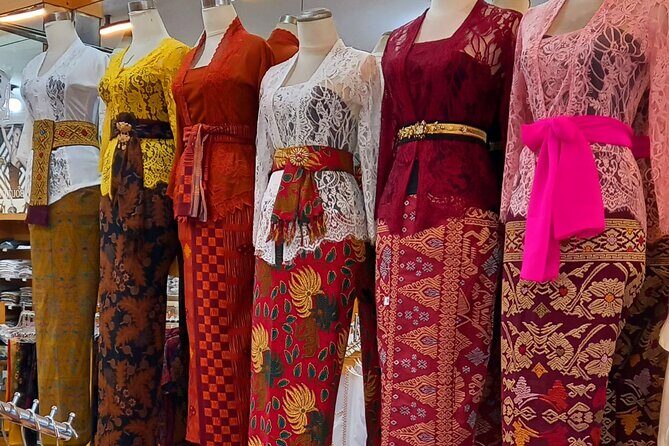
If you’ve ever wandered into a fabric shop in Bali and felt like you’re reading a different language, this is the fix. This Denpasar textile tour is designed as a guided walk along older streets and fabric-focused areas. You’re not just looking at cloth on shelves—you’re learning why these textiles matter to Balinese life and why Indonesians love so many styles.
The best part is the mix of places. Markets and shop streets have different rhythms, and that matters when you’re trying to understand what you’re seeing. One stop leans toward traditional supplies and weaving-focused options, while another leans toward what you might actually use in a project: everyday batik prints, dressmaking fabrics, and household/interior materials.
And because the group is capped at 10, your guide can actually spend time with you at the counters—pointing out differences in what’s on offer—rather than ushering everyone like it’s a quick photo stop. That balance is a big reason this tour gets consistent top marks.
You can also read our reviews of more guided tours in Seminyak

Meet Ayu and Ngurah: what makes the guidance worth paying for
You’re not traveling with a generic “fabric commentator.” The experience is led by Ayu and Ngurah, and the tone is local and practical. One standout from the feedback is that Ayu is happy to modify stops based on your interests, with strong English and real knowledge of local techniques. That flexibility is more important than it sounds.
Here’s why: textile shopping can go in two directions. You might want traditional styles and techniques. Or you might want modern materials for practical use—linen, cotton, rayon, lace, quilting supplies, and fabrics for interiors or dressmaking. When your guide adjusts the route and focus, you waste less time staring at items that don’t match what you want.
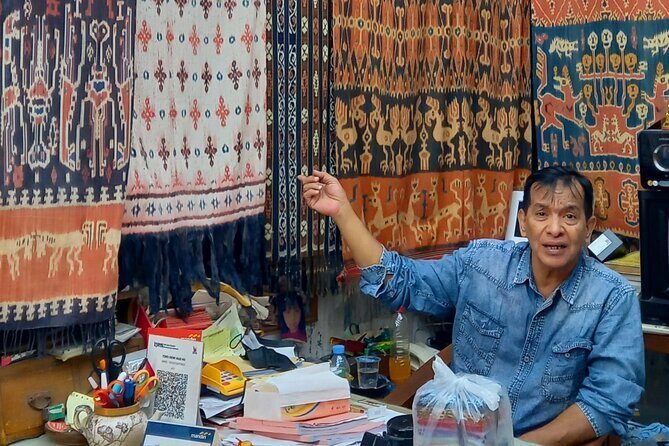
You’ll also get a specific starting moment: you begin from Jalan Gajah Mada to meet Pak Rayyis and hear about his textile collections. That matters because it gives you context before you hit the more retail-heavy areas. It’s harder to shop smart if you only see products first and learn later.
Start on Jalan Gajah Mada with Pak Rayyis
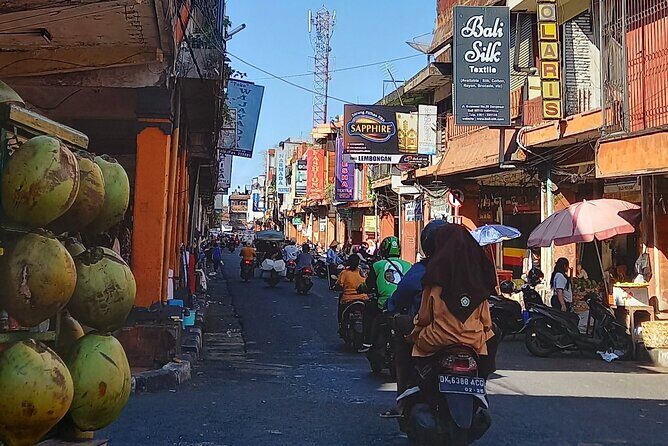
The meeting point is on Jl. Gajah Mada No. 1 (Dauh Puri Kangin, Denpasar Utara). You start at 2:00 pm, and the tour ends back at the meeting point, which makes planning easy.
The Pak Rayyis stop is your warm-up: you meet him on Jalan Gajah Mada and hear about his textile collections. Even if your goal is shopping, this first segment gives you something better than a list of fabric types. You get a sense of what to notice when you’re looking at cloth—like distinguishing between different categories you’ll see later in the walk.
Practical tip: arrive ready to ask questions. If you’re the kind of person who learns faster by hearing details out loud, this is your moment. Your guide can translate what you’re seeing into clear comparisons.
Stop 1: Kumbasari Market for traditional batik, ikat, and weaving
Kicking off at Kumbasari Market sets the tone. This area is where local people pick up supplies, so it’s a more grounded look at textile buying than what you typically see in tourist shopping strips.
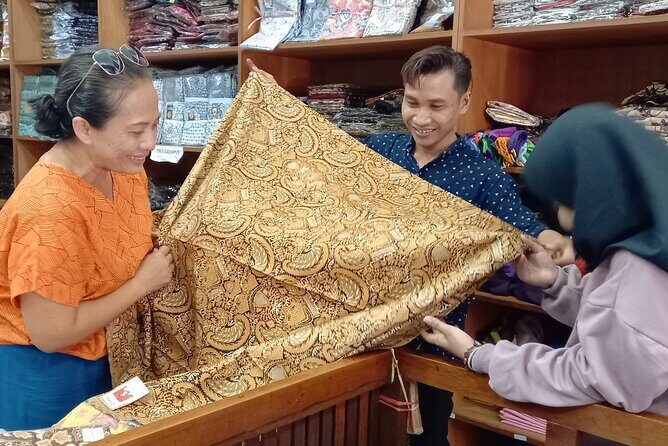
You’ll visit two shops here that specialize in traditional Batik, Ikat, and Weaving. This is a key part of the value equation. The tour isn’t trying to push you into one store. It gives you multiple entry points for understanding what’s available in a traditional category—so you can compare without needing to hustle on your own.
What I like about this stop: it’s not only about the products. It’s also about seeing how the local textile ecosystem works. You can walk in with one frame of mind—just curious—and leave with a better sense of what belongs together: types of fabrics, the kind of items people come for, and how weaving and textile categories show up through the shops.
Possible consideration: if you’re only interested in modern, fashion-style fabrics, the market stop may feel more “focused” than “varied.” The tour balances that later with Jalan Sulawesi, but it’s worth knowing what Kumbasari leans toward.
Stop 2: Jalan Sulawesi fabric haven for everyday batik and modern materials
After Kumbasari, you shift into Jalan Sulawesi, a well-known fabric area. This is the part of the tour that tends to feel the most practical for many people, because you’re looking at options you can immediately imagine using.
At Jalan Sulawesi, you’ll find:
- Affordable everyday-use batik prints
- Modern fabrics including linen, brocade, cotton, lace, quilting materials, dressmaking fabrics, interiors, silk, and rayon
- A wide range of other fabric materials, depending on what’s in stock
This stop is a shopping-friendly playground, but it’s also a learning experience. Once you see what’s available across both traditional and modern categories, you start understanding the difference between fabrics that are meant for a specific cultural textile use versus fabrics that are widely used for everyday clothing and home projects.
How to use your time here:
- Focus on what you actually want to bring home—fabric for a project, a small textile souvenir, or material for interiors.
- Ask your guide what stands out among the types you’re drawn to. Since the route is guided, your questions don’t derail the tour—they’re part of it.
One more note: the tour description includes that the shops will offer reasonable local prices, along with tips for smart shopping. That doesn’t guarantee every item is a deal, but it does mean you’re not walking in cold.


Stop 3: Denpasar’s older streets for variety (batik styles, ikat, endek weaving)
The tour continues through Denpasar’s older streets, where you’ll see a broad range of textile styles. This is where the tour’s “variety promise” becomes real.
You’ll encounter things like:
- Javanese traditional hand painted batik
- Modern batik
- Ikat
- Endek weaving
- And many other textile options offered through the selected local shops
This stop matters because it links the categories together. In many places, textile shopping becomes fragmented: you see batik here, weaving there, and you never understand how they relate. Walking through the local fabric storefront areas with a guide helps you build a mental map fast.
It also supports a common traveler goal—buying something meaningful without feeling overwhelmed. If you’ve ever seen a shelf of prints and wondered what’s “better,” this part of the tour gives you a way to judge by category and by what you’re actually looking at, not just by price tags.
Price and timing: is $25 for 2 hours a good deal?
At $25 per person for about 2 hours, this is built to be an affordable “education plus shopping” stop rather than a long day excursion. The value comes from a few details that matter on the ground:
- It’s guided through multiple fabric-focused stops, not a single shop visit.
- You get access to local shop context and comparisons across categories like batik and ikat.
- The group size cap (up to 10) helps keep the experience interactive.
- You’re walking through areas where textiles are actually sold and supplied, so your time isn’t spent traveling between unrelated spots.
In other words, you’re paying for focus. Instead of guessing which shop is worth your time, you follow a route designed to show variety.
The 2:00 pm start also makes sense for many itineraries: you can keep the morning light, then spend your afternoon learning and shopping before the heat settles.
What to buy (and how to avoid regret later)
The tour is great even if you don’t buy anything. But if you do plan to shop, you’ll enjoy having a guide in the room. You can ask for recommendations based on what you want to use the fabric for—clothing-style materials, interior textiles, or everyday batik prints.
Here’s a simple way to shop smart in this kind of tour:
- Decide your goal first: souvenir, fabric for a project, or a practical everyday textile.
- Compare similar-looking items across stops. The tour’s structure gives you natural comparison opportunities.
- If you’re unsure, ask your guide for help understanding what kind of fabric you’re holding. The guidance is part of the experience, and the whole point is to make the browsing meaningful.
Because the tour includes tips for smart shopping and aims for reasonable local prices, you’re in a better position than going in solo and trying to interpret everything on your own.
Logistics you’ll actually feel on the ground
This is a walk-based tour, designed to move through textile areas without needing complicated rides. It’s listed as near public transportation, and you’ll start and end at the same meeting location, Jl. Gajah Mada No. 1.
You’ll also get a mobile ticket, which is handy when you’re juggling a day of browsing.
Two more real-world factors:
- It’s best with good weather since it relies on walking.
- The group is capped at 10, so it’s intimate, but you should still plan to book ahead because availability can move quickly.
Who this Denpasar textile tour is best for
This tour is ideal if you:
- Love fabric and want to see multiple types (hand painted batik, modern batik, ikat, endek weaving) in one short walk
- Want a guide who can explain what you’re looking at and adjust the route to your interests
- Prefer a local, market-and-shop style experience over a single-street shopping loop
- Want to shop with confidence and guidance, instead of guessing
It’s also a strong option for people who want something cultural that still feels practical. Textiles are personal—so even if you don’t want to buy, you’ll enjoy learning by looking.
Should you book? My practical take
Book this tour if you want textile shopping in Denpasar to feel guided, focused, and grounded in how locals actually source fabric. The best reasons to go are the route through Kumbasari Market, the stop on Jalan Sulawesi with both everyday batik and modern materials, and the fact that you start with Pak Rayyis so you’re not just browsing—you’re building context.
Skip or reconsider if you’re looking for a long sightseeing day or a heavy history lecture. This is a 2-hour walk built around cloth categories, shop browsing, and smart shopping help, not a full-day cultural marathon.
If your schedule allows and the weather looks good, this is one of the more “useful” experiences you can do in the Denpasar area—because you leave with a clearer sense of what you’re buying and why.
FAQ
Where does the tour start?
It starts at Jl. Gajah Mada No.1, Dauh Puri Kangin, Kec. Denpasar Utara, Kota Denpasar, Bali 80232, Indonesia, and it ends back at the same meeting point.
How long is the Denpasar textile tour?
It lasts about 2 hours.
What time does the tour run?
The start time is 2:00 pm.
How much does it cost?
The price is $25.00 per person.
What will I see during the tour?
You’ll see traditional Indonesian textiles across selected local shops and areas, including Javanese traditional hand painted batik, modern batik, ikat, endek weaving, and other fabrics. At Jalan Sulawesi you can find affordable everyday-use batik and modern fabrics such as linen, brocade, cotton, lace, quilting materials, dressmaking, interiors, silk, and rayon.
Is shopping included or encouraged?
If you wish to do textile shopping, the shops are expected to offer reasonable local prices, and you’ll get tips for smart shopping.
How large is the group?
The tour has a maximum of 10 travelers.
Is good weather required?
Yes. The experience requires good weather, and if it’s canceled due to poor weather you’ll be offered a different date or a full refund.
What is the cancellation policy?
You can cancel for a full refund up to 24 hours in advance of the experience’s start time. If you cancel less than 24 hours before, the amount paid is not refunded.