REVIEW · SEMINYAK
Bali Culture And Spring Temple Private Guided Tour
Book on Viator →Operated by Seminyak Tour Driver Bali · Bookable on Viator
Bali’s spiritual stops fit into one long day. I like how this private route mixes Balinese performance and spring-temple rituals with smooth door-to-door pickup across south and central Bali. You’ll get a lot of variety packed into about 10 hours, but the tradeoff is a packed schedule with travel time and afternoon heat.
Two things I really enjoy: the Barong and Kris dance at Batubulan Village (myth and movement, told through Hindu good-vs-evil storytelling) and the Tirta Empul holy water blessing experience with a guide who explains what each spring is used for. One thing to consider is that entrance coverage can vary by what you choose, so double-check your booking and carry a little extra budget in case paid admissions are not included.
This is a true private format, meaning you’re not sharing your day with strangers. Guides in this program are known for being friendly and flexible; Komang Adi, Eka, and Kadek Dwi each came up in different ways in the feedback I saw—one even stopped to help with a SIM purchase mid-day, and another was described as an excellent camera helper with a driver setup that can include Wi‑Fi and Bluetooth in the car. With pickup, AC transport, and the chance to hit the big Ubud-area sights efficiently, the value at about $20 per person is strong.
In This Review
- Key highlights to know before you go
- How the private door-to-door setup works from Seminyak
- Batubulan Barong and Kris dance: myth, masks, and good-vs-evil stories
- Celuk silver craft village: watching hands at work
- Gung Aji traditional house compound: how a Balinese home functions
- Tegalalang Rice Terrace and lunch time: classic views with timing in mind
- Tirta Empul Temple: the holy water blessing ritual
- Tampaksiring tea time: a calm break between temple and waterfall
- Tegenungan Waterfall: afternoon light, big views, and practical photo time
- Price and ticket reality: what $20 really gets you
- Who this tour fits best (and who should skip it)
- Should you book this Bali culture and spring temple tour?
- FAQ
- Where does the tour pick up and drop off?
- How long is the tour?
- What’s the price per person?
- Is the tour private?
- What’s included in the price?
- Are lunch and entrances included?
- Do I need to bring swimwear?
- Do I need to book in advance?
- What is the cancellation policy?
- Is confirmation provided after booking?
Key highlights to know before you go
- Batubulan Barong and Kris performance: traditional good-versus-evil storytelling you can actually watch, not just read about
- Celuk silver workshop time: see silversmithing step-by-step in a craft-focused village
- Tirta Empul holy spring blessing: learn what’s going on at each spring while you follow the ritual
- Tegalalang Rice Terrace photo stop: a classic Ubud view with time to slow down and take pictures
- Tampaksiring tea break: a calm pause with garden photo opportunities and tropical air
- Tegenungan Waterfall timing: you’ll aim for afternoon light when crowds may be lighter
How the private door-to-door setup works from Seminyak
This tour is designed for convenience first. If you’re staying around Seminyak (or anywhere in the broader south/central/east Bali zone), pickup and drop-off are included, and the ride is in an air-conditioned car. That matters because Bali driving can eat hours, and a private schedule only works if the transport is organized from the start.
You’ll spend roughly 10 hours overall, with a clear set of major stops and about an hour at each. The benefit is simple: you get a full day of culture and nature without having to coordinate tickets, timing, and transport between distant sites on your own. The private format also means your guide can adjust the pacing to your group, which can be the difference between a day that feels rushed and one that feels manageable.
Two practical notes. First, this is a smart-casual day with swimwear suggested, which gives you flexibility if you want to get closer for waterfall views. Second, you’ll want to come with an appetite for walking on uneven ground and stairs, since temples, terraced viewpoints, and waterfalls rarely stay flat.
You can also read our reviews of more guided tours in Seminyak

Batubulan Barong and Kris dance: myth, masks, and good-vs-evil stories
The day kicks off with the Barong and Kris dance in Batubulan Village. This is a traditional Balinese performance tied to Hindu storytelling, centered on the idea of good and evil forces and how that plays out in daily life and spiritual belief. The important part here is that it’s not just spectacle. The performance includes narration in a real-feeling “secret language” style during the show, and your guide helps connect the dots so you’re not watching purely for the costumes.
What you’ll love about this stop is how quickly it gives you context. After only a few minutes, the performance becomes a living explanation of themes you’ll keep seeing around Bali—karma, balance, and the spiritual logic behind rituals. It’s also a good “warm-up” for the rest of your day, because it frames the temples you’ll visit later.
A possible consideration: dance performances can vary in comfort depending on seating and crowd flow. Plan to arrive ready to sit and watch attentively for about an hour, and keep your expectations on the practical side—this is culture you experience through storytelling and movement, not a modern stage show with subtitles.
Celuk silver craft village: watching hands at work
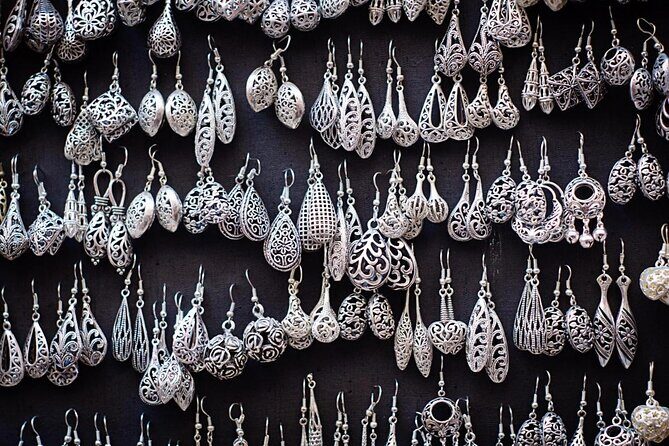
After the dance, you head to Celuk Village, known for silver artistry. This stop is different from the temples and viewpoints because it’s about process. You’ll tour with a guide and see the step-by-step silversmithing workflow, then browse finished pieces shaped by Balinese design traditions.
This is one of the most useful stops if you like souvenirs with meaning. Instead of buying something without context, you see how items are made and how artisans move from design to shaping to finishing. It also helps you spot quality differences—at least more than you would if you only looked at the final product in a shop.
Consideration here is time and focus. A craft village can pull you into browsing, which can be great. Just keep an eye on the clock so you don’t lose too much energy before the later temple and waterfall segments.
Gung Aji traditional house compound: how a Balinese home functions
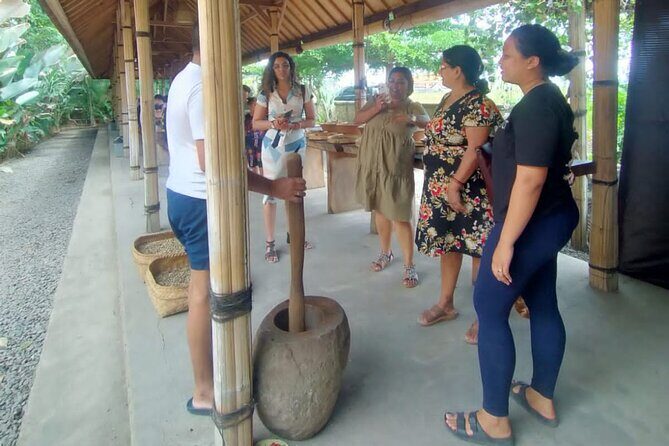
Next comes a visit to a Balinese traditional house compound at Gung Aji. This is where you’ll get a guided explanation of the structure and the function of different parts of the compound, tied to how Balinese living works. You’ll see the building layout and hear what each area is for, which makes it easier to understand why many cultural spaces in Bali feel designed rather than random.
The value of this stop is that it turns architecture into daily-life knowledge. When you later see temples and spiritual spaces, you’ll have a better sense of how households and belief systems relate. It’s also a more grounded visit than dance or scenery—no need to climb for views, just listen closely and look at the way everything is arranged.
A practical drawback: this is a learning-oriented hour. If your group wants mostly photos, you’ll still get them, but you may need to actively balance questions and sightseeing.
Tegalalang Rice Terrace and lunch time: classic views with timing in mind
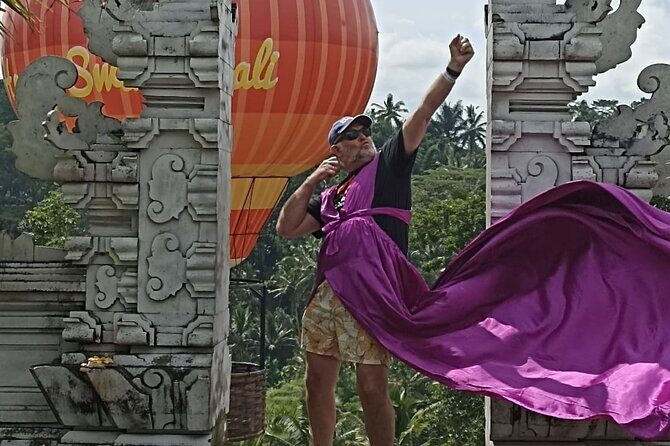
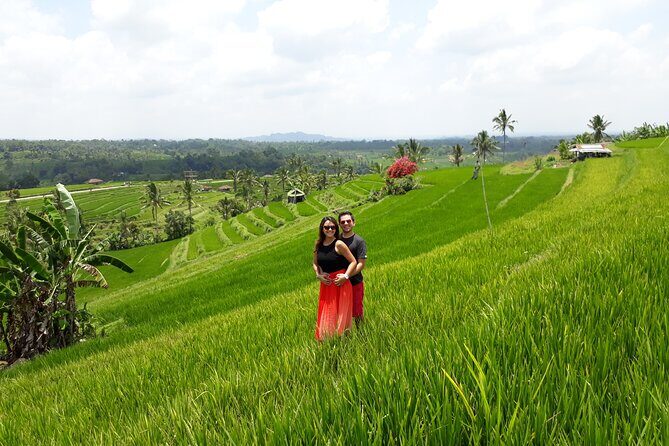
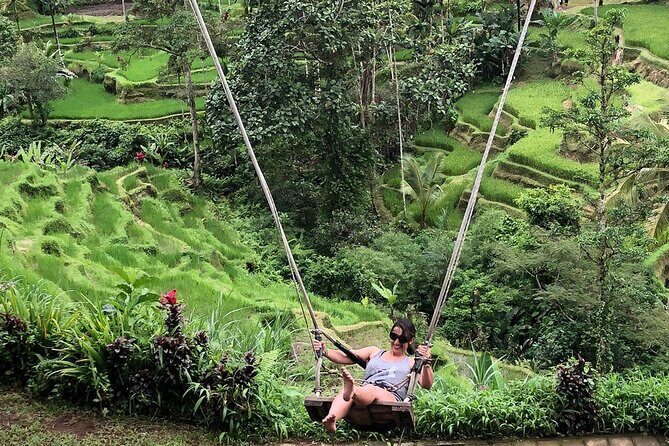
Then you’re at Tegalalang Rice Terrace, one of the most photographed places near Ubud. You’ll get an hour here, which is enough time to walk a bit, find photo angles, and decide if you want the optional swing attraction if it’s available. There’s also time for lunch at a local restaurant with fresh cooked food.
One useful thing to know: lunch isn’t included. The tour lists lunch as an additional personal expense, estimated around $4 per person. It’s not a massive add-on, but it’s still worth budgeting so you’re not surprised when hunger hits.
If you care about photos, think about how you pace yourself. Rice terraces are a great place to slow down, but they’re also a place where you can get pulled into climbing higher than you planned. Stick to what feels comfortable, wear footwear you trust on sloped paths, and save your energy for Tirta Empul afterward.
You can also read our reviews of more private tours in Seminyak


Tirta Empul Temple: the holy water blessing ritual
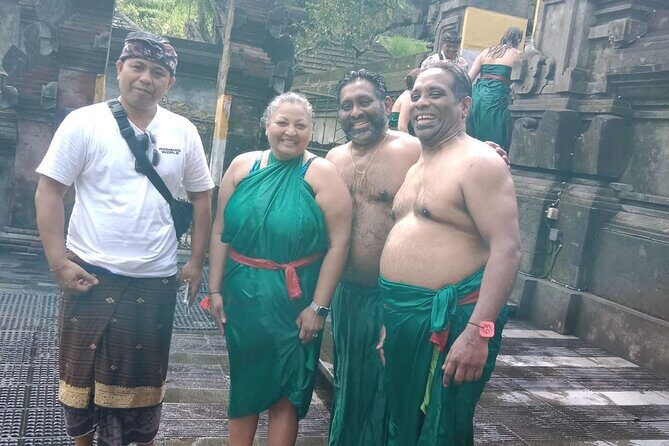
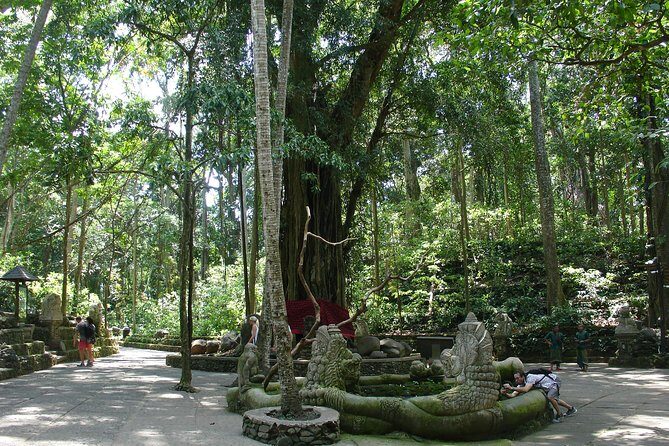
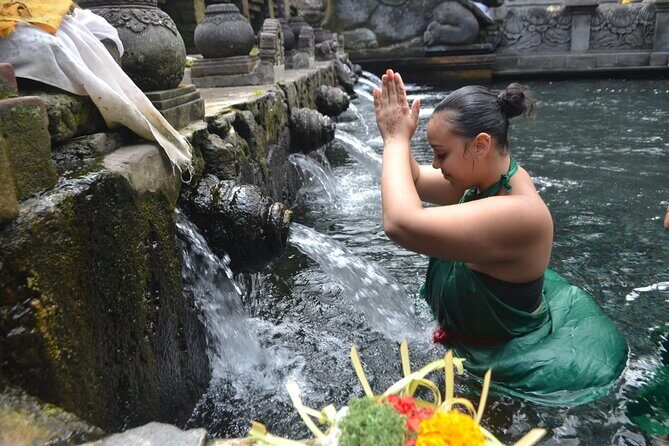
This is the spiritual centerpiece: Tirta Empul Temple and its sacred holy spring water. You’ll join a blessing ritual guided by your tour guide, and you’ll get an explanation of the function of each holy spring as you participate. The experience is meant to feel meaningful and guided, not like a self-guided tourist walk.
What makes this stop valuable is the guide context. If you show up without explanations, it’s easy to treat it like a photo stop. With guidance, it becomes something you can understand while you’re in it—how people move through the springs and what the ritual aims to accomplish.
Important consideration: this is a wet, sacred space. Your general smart-casual dress code and the suggestion to bring swimwear become more than a comfort item here. Even if you don’t plan to fully participate, bring the right clothing mindset for a ritual environment.
Tampaksiring tea time: a calm break between temple and waterfall
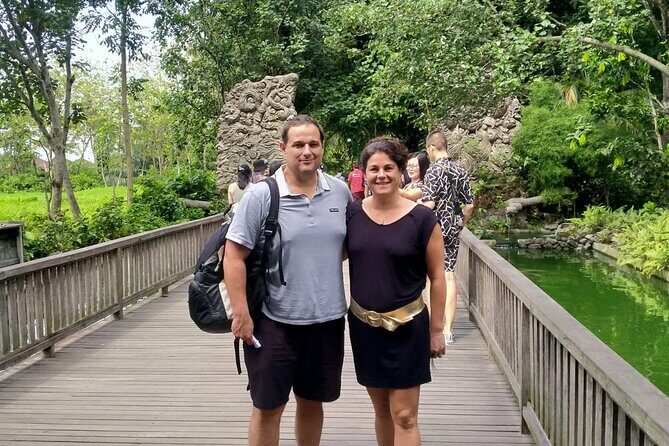
Between temples and waterfall, you’ll stop in Tampaksiring for a complimentary tea time. This is a helpful breather. It gives you a chance to regroup, cool down a bit, and take photos in a local village setting with garden views and a tropical feel.
I like this kind of stop because it prevents the day from turning into a constant sprint. Tea time is small, but it’s practical. You recharge while still staying on schedule, so the waterfall doesn’t feel like a punishment at the end.
If your group tends to rush, this part can help you reset. If your group loves pure sightseeing, just remember you’re still driving and moving through the day—tea time is there to make the rest enjoyable.
Tegenungan Waterfall: afternoon light, big views, and practical photo time
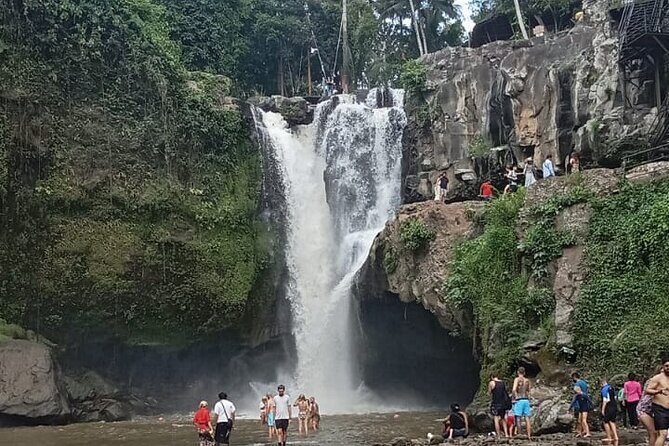
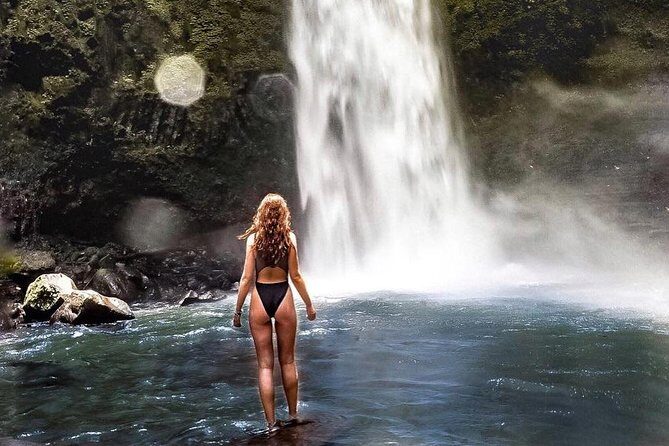
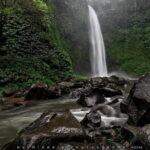
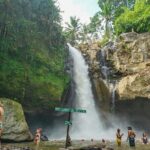
The last major nature stop is Tegenungan Waterfall. The big selling point here is timing. You’ll arrive at a point that aims to keep it from being too crowded, especially if you hit it in the afternoon, and you’ll have time to take pictures with green surroundings around you.
This stop is where your “smart casual + bring swimwear” note matters again. Even if you don’t plan to get in the water, swimwear makes it easier to handle splashes and stay comfortable if you choose to go closer for photos.
A balanced consideration: waterfalls can be slippery, and footing around water features is rarely guaranteed. Wear grippy shoes, be careful near edges, and keep your phone and camera protected if you’re downwind of spray.
Also, a waterfall at the end of the day can feel long after temples and craft stops. The trick is to treat it as your unwind moment. Don’t cram it like a checklist. Spend the time enjoying the sound and the view first, then shoot second.
Price and ticket reality: what $20 really gets you
At $20 per person, this tour is positioned as a value-heavy day: pickup and drop-off, private AC transport, an English-speaking guide, water bottle and tea time, and insurance are all included. It also uses a mobile ticket system, and there are group discount options.
Here’s the part you should check before you go: entrance pricing. The tour notes Entrance Ticket on Premium All Inclusive, but it also includes a separate note that there may be additional entrance costs if you cover all attractions, estimated around $18 per person. Those two statements can both be true depending on what your booking package includes and which sites are ticketed under your plan.
So my practical advice is to confirm what’s covered in your exact booking before you arrive, especially if you care about minimizing cash-on-day. If you prefer zero surprises, ask what tickets are included versus what may be additional.
Even with a possible extra entrance budget, the value still makes sense for many people because you’re paying for private transport across several areas and a guide who explains what you’re seeing—especially at Tirta Empul, where the context is the main reason to go with a guide.
Who this tour fits best (and who should skip it)
This works best if you want one focused Bali day that mixes culture and nature without DIY planning. You’ll like it if you care about a real explanation at temples, enjoy traditional performance, and want a classic Ubud-style photo route (Tegalalang, Tirta Empul, Tegenungan) in the same trip.
It’s also a great choice if you’re staying in Seminyak or nearby and don’t want to fight traffic and logistics yourself. The door-to-door pickup across areas like Seminyak, Ubud, Kuta, Nusa Dua, Legian, Canggu, Gianyar, Jimbaran, and Kerobokan is a big part of what makes the tour feel effortless.
You might want to rethink it if you strongly dislike long days. Even with only about an hour at each stop, the total time is around 10 hours, and you’ll be moving across different parts of the island. If your priority is slow, unstructured time, build your day differently.
Should you book this Bali culture and spring temple tour?
If your goal is a guided culture-and-waterfall day with private attention, I think it’s worth booking—especially at this price level with pickup, AC transport, tea time, and a guide who can explain the spiritual meaning behind what you’re doing. The combination of Barong dance, Celuk craft, a traditional house compound, Tirta Empul holy spring ritual, and Tegenungan Waterfall gives you a full sample of Bali in one stretch.
Before you say yes, do two quick checks: confirm which entrance tickets are fully included in your specific package, and pack accordingly for water stops with swimwear and grippy shoes. If you get those parts right, you’ll have a day that feels organized, meaningful, and fun rather than just busy.
FAQ
Where does the tour pick up and drop off?
Pickup and drop-off are offered in many south, central, and east Bali areas, including Seminyak, Ubud, Kuta, Nusa Dua, Legian, Canggu, Gianyar, Jimbaran, and Kerobokan.
How long is the tour?
The tour runs about 10 hours.
What’s the price per person?
The price is listed as $20.00 per person.
Is the tour private?
Yes. It’s a private tour/activity, and only your group will participate.
What’s included in the price?
Included items are pickup and drop-off, individual private transportation by air-conditioned car, an English-speaking friendly tour guide, entrance ticket on a premium all-inclusive basis, water bottle, tea time, and insurance.
Are lunch and entrances included?
Lunch is not included and is estimated at about $4.00 per person. The information also notes that special entrance tickets may have an additional cost estimated around $18.00 per person if you visit all attraction items, so it’s worth checking what your booking includes.
Do I need to bring swimwear?
Swimwear is suggested to match the dress code (smart casual) and for the water-focused stops like the waterfall.
Do I need to book in advance?
On average, this experience is booked about 5 days in advance.
What is the cancellation policy?
Free cancellation is allowed up to 24 hours in advance for a full refund. If you cancel less than 24 hours before the start time, the amount paid is not refunded.
Is confirmation provided after booking?
Confirmation is received at the time of booking.