REVIEW · SEMINYAK
Private Experience Surf Lessons in Canggu
Book on Viator →Operated by Faruka Surf Lessons Bali · Bookable on Viator
Surf in Bali, but coached like you matter.
Private surf lessons in Canggu (near Seminyak) give you one-on-one attention, so you’re not just getting dumped into the lineup. The big draw is the personalized teaching: you’ll get feedback tied to your level, whether you’re trying your first waves or polishing advanced moves on shortboards with Bedi and his team.
I especially like two parts of this experience: the personal, constructive feedback and the way coaches explain the waves clearly—sometimes even when language is a problem, using body language to get the point across. In multiple lessons, Bedi (and occasionally Yoza) has focused on what you personally need, including helping beginners calm fear and progress at a steady pace.
One thing to consider: a lesson is about 2 hours, which is great for rapid learning, but it’s not enough time to turn you into a full-time “pro.” Also, they provide key gear, but you’ll still want to bring a towel and water so you don’t start the lesson unprepared.
In This Review
- Key Highlights You’ll Feel Immediately
- Private 2-Hour Surf Lessons in Canggu: What Makes It Work
- Getting Ready: Meeting Point, Session Timing, and What You’ll Need
- Gear and Safety Basics: Provided Rashguard, Zinc, and Board Choice
- The Beginner Lesson Flow: Soft Tops, Land Briefing, and First Waves
- Intermediate Progress: Fiberglass Boards and Better Technique Under Pressure
- Advanced Surf Coaching: Shortboards, Positioning, and High-Performance Moves
- Why the Coaching Style Matters (Especially If Your Confidence Needs Help)
- Price and Value: How $33 for 2 Hours Fits Real Learning
- Timing, Weather, and Choosing the Right Session
- Who Should Book This Surf Lesson in Canggu?
- Should You Book? My Practical Take
- FAQ
- FAQ
- How long is the private surf lesson?
- Is the lesson private or shared with other people?
- What gear is included, and what should I bring?
- Do they teach beginners, or is it only for experienced surfers?
- Where does the lesson start?
- When will I get confirmation after booking?
Key Highlights You’ll Feel Immediately
- True private coaching with only your group in the session
- Gear included: surfboard, rashguard, and zinc for sun protection
- Progression built in: soft top → green waves, then fiberglass, then shortboards
- Coaches read the break with you, helping you choose the right waves for your level
- Communication works, with clear explanations and body language support when needed
Private 2-Hour Surf Lessons in Canggu: What Makes It Work

If you’ve ever taken a group lesson and spent half your time waiting for someone else to finish, you’ll instantly feel the difference here. This is a private setup, so your coach can watch your pop-up timing, your stance, and your wave reading without competing with other students.
The coaching style matters because surfing is part technique, part timing, and part confidence. A good instructor doesn’t just say “try harder.” They spot the exact issue—like where your weight sits before the wave hits—and then correct it in simple, actionable terms.
You also get a plan. Beginner, intermediate, and advanced lessons aren’t just labels—they match what boards you’ll ride and what kind of waves and skills you’ll target.
You can also read our reviews of more private tours in Seminyak



Getting Ready: Meeting Point, Session Timing, and What You’ll Need
This activity starts at a specific meeting point in the Canggu area (listed as 84RJ+C58, Canggu). The session ends back at the meeting point, so you don’t need to figure out logistics mid-lesson.
The hours run from 7:00 AM to 5:00 PM. That’s useful because mornings in Bali can feel more manageable for your first surf session, especially if you want to avoid the day’s heat building up. You’ll likely fit your lesson into that window rather than being pushed into some awkward late-night schedule.
You’ll also want to plan around what’s included and what isn’t:
- Included: surfboard, rashguard, and zinc
- Not included: towel and water
That last bit is easy to forget. Bring a towel you don’t mind getting sandy and useable water so you can recover after the wipeouts. Surfing can be surprisingly dehydrating, even when the ocean feels cool.
The lesson uses a mobile ticket system, and confirmation is sent within 48 hours of booking (subject to availability). If you’re traveling with a tight schedule, it’s smart to book early so you’re not hunting for the right time slot once you arrive.
Gear and Safety Basics: Provided Rashguard, Zinc, and Board Choice
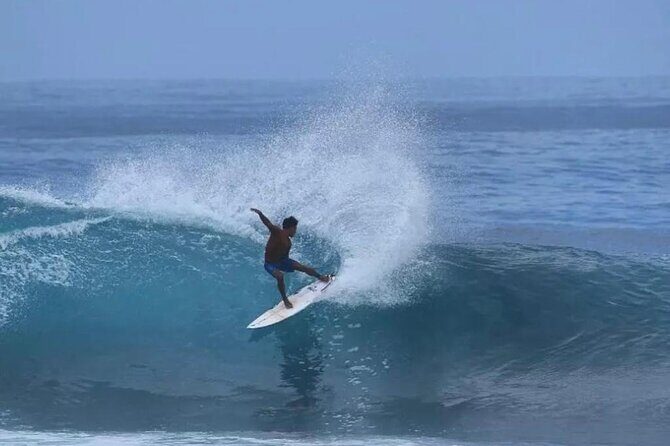
Before you get in the water, you’ll be outfitted. The provided rashguard is a big deal in Bali: it helps with sun, chafing, and that “how do I stop rubbing against the board” problem that wrecks your motivation fast.
They also provide zinc, which is practical because the sun can be intense on the beach and you’re often focused on your technique, not reapplying sunscreen every 20 minutes. In other words: you’re set up to learn longer without turning into a lobster.
The board you ride changes the whole learning curve. Beginners start on soft top boards, which are more forgiving when you wobble and easier for catching early waves. Intermediate and advanced levels shift toward fiberglass and shortboards, and that’s where technique gets stricter and your movements have to be cleaner.
The Beginner Lesson Flow: Soft Tops, Land Briefing, and First Waves
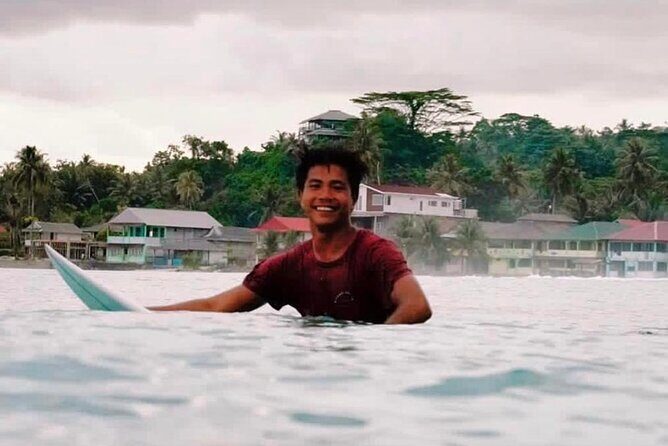
Beginner lessons start with an on-land briefing. That matters more than people think, because surfing is easier when you understand what you’re about to do before you do it. You’ll typically work on wave basics—how to spot the right moments and what the break is doing—so you’re not guessing blindly once you’re standing in the ocean.
Then you’ll go into the water and focus on catching waves in a way that matches your level. The goal isn’t just to get up once. It’s to build repeating skills: where to place your hands, how to look ahead, and how to stay balanced as the wave carries you.
A key part of the beginner plan is progression. You’ll start by catching waves as you learn, and you’ll work toward catching green waves on your own. Green waves are a clear step up from the absolute first tries, and they’re a good target because they reward correct positioning without being so intense that you’re constantly getting smashed.
The best coaching in this phase is patience with purpose. In reviews, Bedi is repeatedly described as calm, encouraging, and focused on your improvement. If you’re nervous, that kind of teaching helps you stop treating every wipeout like a personal failure.
Intermediate Progress: Fiberglass Boards and Better Technique Under Pressure
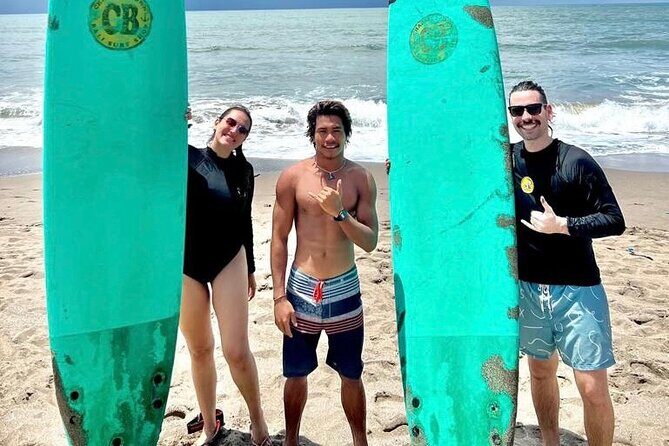
Once you move beyond the first wave experiences, you don’t just need more practice—you need more accurate practice. That’s where intermediate lessons kick in.
Intermediate surf lessons are for people who have “graduated” from beginner level and want to improve. A big upgrade here is the option to move to a fiberglass board. That shift typically means less forgiveness than a soft top, so your stance and timing need to be sharper.
In this level, the coaching focus shifts from simply standing and moving forward to refining what happens during the ride. Expect your coach to help with:
- improving your control when you’re already moving
- adjusting technique so you can catch more waves you actually want
- building consistency so you improve session after session
The practical win for you is momentum. You’re not stuck repeating the same basics. Instead, the lesson keeps pushing you into skills you’ll keep using, even after the coaching session is over.
You can also read our reviews of more tours and experiences in Seminyak





Advanced Surf Coaching: Shortboards, Positioning, and High-Performance Moves
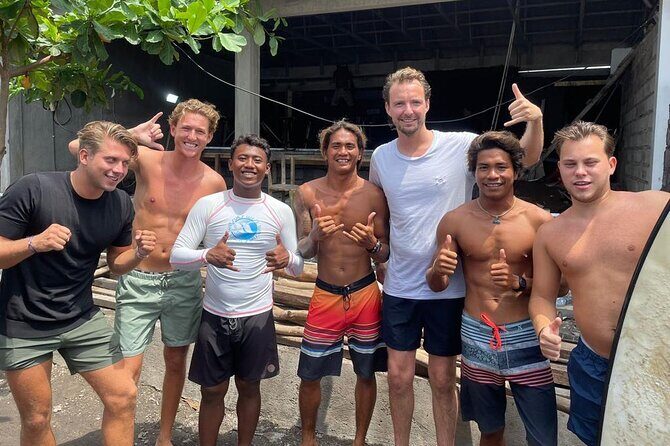
Advanced courses are built for surfers who want a bigger leap in performance. Typically, these sessions use shortboards, which demand more precision. You’ll get less margin for error, so the technique coaching becomes more specific.
At this stage, the lesson centers on positioning and high-performance maneuvers. The cool part is that it can be customized to what you personally want to work on, not just a generic “advanced routine.”
If you already have the basics of turning and generating speed, the missing piece is usually efficiency. A coach focusing on positioning can help you get into the right spot in relation to the wave—so instead of forcing turns, you’re actually riding the wave the way it wants to be ridden.
In short: you’re not just trying harder. You’re trying smarter.
Why the Coaching Style Matters (Especially If Your Confidence Needs Help)
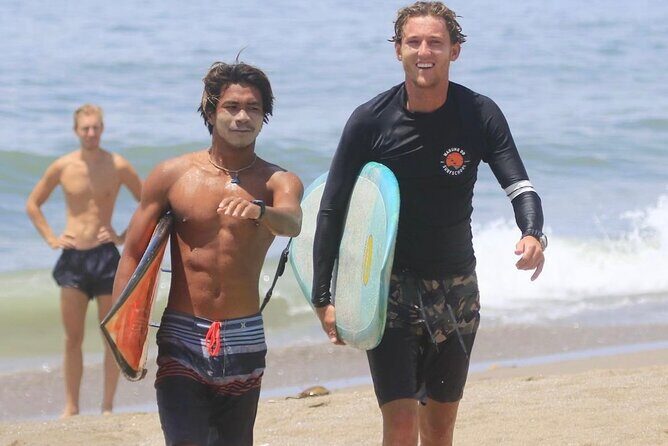
Surfing has a mental side. Even if your body knows the technique, fear can freeze your timing. That’s why I think the coaching style here is a big part of the value.
Reviews highlight how Bedi and his team help students overcome fear and keep moving forward, not by pushing you past your comfort level, but by guiding you through the next doable step. That’s huge if you’re coming to Bali expecting fun but secretly worried you’ll feel clumsy or scared once you’re in the water.
There’s also a communication edge. One review notes that even with limited English, Bedi managed to explain everything clearly using body language. That means your progress won’t depend on perfect language skills—your coach can still show you how to adjust your stance and timing.
And it’s not only adults. One review mentions a lesson with a 10-year-old daughter, which suggests the coaching approach can scale down for younger surfers who need patience and clear guidance.
Price and Value: How $33 for 2 Hours Fits Real Learning
Let’s talk money in a straight way. The listed price is $33, with a duration of about 2 hours.
For a private lesson, this is the kind of pricing that makes sense if you want real instruction without paying big-city rates. And because it’s private, you’re not “sharing” the coach’s attention across multiple people. That matters because surf coaching is visual and moment-by-moment. A coach can’t correct the timing of your pop-up from far away.
Here’s how I’d judge value for you:
- If you want faster progress than a group lesson, private coaching tends to pay off quickly.
- If you’re a beginner, the board choice (soft top) and the land briefing can reduce frustration.
- If you’re intermediate or advanced, the chance to move boards (to fiberglass or shortboards) and get positioning feedback is usually worth it.
The cost is also predictable for the time you’re on the water. You’re not paying for transfers and waiting around. The session ends back at the meeting point, so the time is focused on the lesson itself.
Timing, Weather, and Choosing the Right Session
Even with the best instruction, surf is surf: conditions change. What you can count on is that a coach who knows the breaks will help you aim for the right type of waves for your level.
In reviews, coaches are described as choosing the best waves and explaining the ocean and break clearly. That’s practical. The difference between a good learning session and a bad one is often wave choice, not effort.
If you’re booking multiple lessons (single lesson or packages of 3 or 5), you’ll also benefit from learning over time. Repetition plus targeted corrections is what builds muscle memory and confidence.
Who Should Book This Surf Lesson in Canggu?
This is a strong match if:
- you want private instruction instead of a group scramble
- you’re aiming to progress through levels (beginner → intermediate → advanced)
- you appreciate clear coaching and constructive feedback
- you’re okay bringing your own towel and water
It’s also a good fit if you’re worried about communication. Based on past experiences, body language and clear explanation can bridge gaps when English isn’t perfect.
On the other hand, if you’re expecting a full-day surfing trip or a deep cultural add-on, this isn’t that. This experience is built around coaching time in the water.
Should You Book? My Practical Take
If you want a surf lesson where the coach actually watches you, corrects you, and pushes you forward in a level-appropriate way, booking this makes sense. The biggest strengths are the private setup and the teaching style—patient, clear, and focused on improvement. The gear inclusions (board, rashguard, zinc) also remove a bunch of hassle before you even get wet.
Book it if you can commit to the 2-hour block and you bring a towel and water. Don’t expect mastery in one session, but do expect solid progress and a much clearer sense of what to work on next.
If your plans are flexible, it’s also nice that you can cancel without cost up to 24 hours before the experience starts, which helps when Bali weather or surf conditions don’t cooperate.
FAQ
FAQ
How long is the private surf lesson?
It’s about 2 hours.
Is the lesson private or shared with other people?
It’s private. Only your group participates.
What gear is included, and what should I bring?
The surfboard, rashguard, and zinc are provided. You should bring your own towel and water.
Do they teach beginners, or is it only for experienced surfers?
They teach beginners on soft top boards, and they also offer intermediate and advanced lessons with board and skill progression.
Where does the lesson start?
The meeting point is listed at 84RJ+C58, Canggu, Kuta Utara, Badung Regency, Bali 80361, Indonesia, and the activity ends back at the meeting point.
When will I get confirmation after booking?
Confirmation is received within 48 hours of booking, subject to availability.