REVIEW · SEMINYAK
Exploring Bali in 3 Days: Discover Top Places in Bali
Book on Viator →Operated by Eco Bali Tours - Day Tours · Bookable on Viator
Three days, Bali without the guesswork. This 3-day route strings together Ubud, Bedugul/West Bali, and the south in a way that’s easy to follow. You’ll roll with an English-speaking driver who explains what you’re seeing and points out good photo spots.
I like how this trip mixes big sights with smaller, everyday Bali moments. Ubud culture stops (Monkey Forest, palace, and the art market) give you quick context, not just check-the-box landmarks. I also like that admission tickets are included for the listed stops, so you spend more time moving from place to place and less time figuring out payment at each gate.
One consideration: the days run long and the route packs in a lot. Expect a full schedule with plenty of driving, and you’ll want comfortable shoes and patience for Bali traffic.
In This Review
- Key highlights worth noting
- How a 3-Day Bali Route Works (and Why It’s Useful)
- Day 1 in Ubud: Monkeys, Palace, Market, Volcano Views, Coffee, Rice Terraces, Waterfall
- Sacred Monkey Forest Sanctuary: long-tailed macaques in a temple setting
- Ubud Palace: Puri Saren and the feel of a central town
- Ubud Traditional Art Market: souvenirs, batik, silver, and woodwork
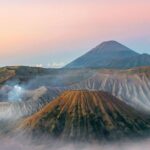
- Kintamani Highland: volcano views and cool mountain air
- Bali Pulina Coffee Plantation: coffee, fruit, and farming in one stop
- Tegalalang Rice Terrace: one of Bali’s most photographed terrace views
- Tegenungan Waterfall: a convenient nature break near Ubud
- Day 2 Around Bedugul and West Bali: Temples, Hidden Waterfalls, Fruit Markets, Jatiluwih, Tanah Lot
- Taman Ayun Temple: a temple that reads like it belongs to the landscape
- Leke Leke Waterfall: go past the photo first impression
- Ulun Danu Bratan Temple: lakeside setting with cool air
- Pasar Candi Kuning: Bedugul fruit market and everyday local life
- Jatiluwih Green Land: rice terraces with meaning in the name
- Tanah Lot Temple: sacred sea temple on a rocky island
- Day 3 in the South: GWK, Uluwatu, Kecak and Fire Dance, Then Jimbaran Seafood
- Garuda Wisnu Kencana (GWK) Cultural Park: the 121-meter statue moment
- Uluwatu Temple: a legendary connection to Mpu Kuturan
- Kecak and Fire Dance: about 50 men, CHAK calls, Ramayana story
- Jimbaran Bay: seafood cafes along the beach
- Price and logistics: what you’re actually paying for
- Pacing tips so the trip stays fun, not frantic
- Who this 3-Day Bali tour suits best
- Should you book this 3-day Bali highlights tour?
- FAQ
- How long is the Exploring Bali in 3 Days experience?
- Where is the tour located?
- What are the start and end times each day?
- Who leads the tour?
- Is pickup included?
- Is the tour private?
- Are admission tickets included?
- What’s included in the itinerary?
- How much does it cost?
- What is the cancellation policy?
Key highlights worth noting
- Three regions, three days: central Bali on Day 1, west/north on Day 2, and the south on Day 3.
- Photo-first guidance: your driver escorts you and shows the best spots for pictures.
- Ubud beyond the basics: monkeys, Puri Saren at Ubud Palace, and Ubud Traditional Art Market shopping time.
- Bedugul and rice-terrace views: lake temple at Ulun Danu Bratan and Jatiluwih Rice Terraces.
- Evening temple energy: Uluwatu Temple plus Kecak and Fire Dance timing into nighttime.
- Value built in: pickup offered, tickets included for the listed sites, and a mobile ticket.
How a 3-Day Bali Route Works (and Why It’s Useful)
If your Bali trip is short, the real question is simple: how do you see a lot without burning half your vacation stuck in planning mode? This 3-day program is built for that. You’re based in the Seminyak area, then you sweep through central, western, and southern Bali across three days with set start and end times.
Day 1 runs 08:00 to around 18:00, starting in the Ubud area with the Sacred Monkey Forest Sanctuary, the Ubud Palace area, and Ubud’s art market vibe. Day 2 runs 08:00 to around 18:00 and leans north-west, with Bedugul and classic temple-and-terrace scenery. Day 3 starts later, around 13:00, and runs to about 21:00, which makes room for the evening Kecak and Fire Dance and a seafood dinner night at Jimbaran Bay.
The “why it’s worth it” part: you get a structured sampler of Bali. Rice terraces, temples, coffee/agri time, markets, and a nighttime dance show all fit into one plan. The trade-off is pacing. This is not a slow retreat day. You’ll be on the move, and that’s the deal.
You can also read our reviews of more tours and experiences in Seminyak
Day 1 in Ubud: Monkeys, Palace, Market, Volcano Views, Coffee, Rice Terraces, Waterfall
Day 1 is your cultural-and-scenic kickoff, and it stays centered around Ubud plus nearby highlights.
Sacred Monkey Forest Sanctuary: long-tailed macaques in a temple setting
You start with the Sacred Monkey Forest Sanctuary (about 1 hour), where the monkeys are long-tailed macaques associated with the village of Padangtegal. This is the kind of stop where you’ll instantly understand why Ubud is a magnet for people who like animals, temples, and photo moments in the same walk.
Practical note: expect close-up monkey encounters at eye level. Keep your phone secure and treat it like you would around curious wildlife—steady hands help.
Ubud Palace: Puri Saren and the feel of a central town
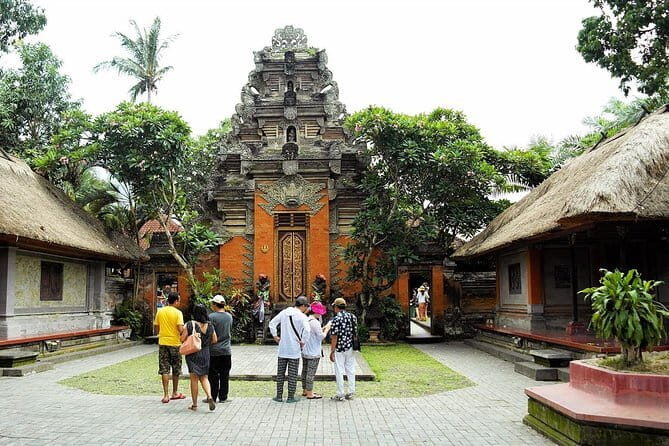
Next is Ubud Palace (about 15 minutes). The palace complex tied to Puri Saren sits right in the center of Ubud village, and you’ll get a quick look at a place locals identify as one of Bali’s classic interest spots. This stop is short on purpose, so you can keep moving through the day.
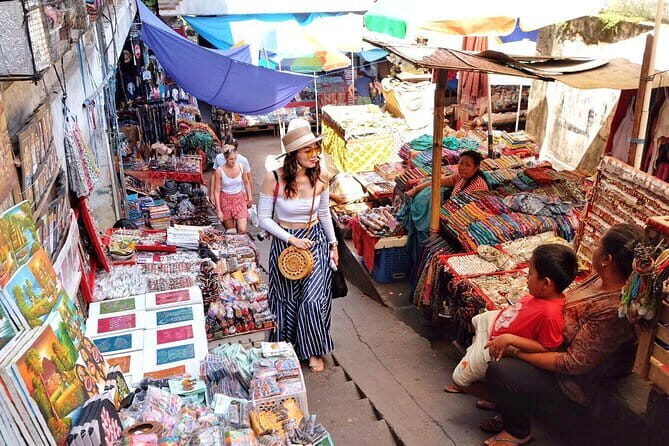
Ubud Traditional Art Market: souvenirs, batik, silver, and woodwork
Then comes Ubud Traditional Art Market (about 1 hour). This is where you’ll see the full souvenir mix: silver jewelry, precious stones, batiks, T-shirts, beach sarongs, wood carvings, and cane work bags.
If you actually enjoy shopping, this is a good timed stop. If you don’t, you can still skim the stalls to get a feel for what’s local and what’s tourist-driven—use it like a cultural quick scan rather than a shopping mission.



Kintamani Highland: volcano views and cool mountain air
Kintamani Highland is the “big view” moment (about 1 hour). You’ll be looking at Kintamani Volcano from the highlands village area of Batur/Kintamani, sitting roughly at 900 m above sea level in the tour description. It’s a classic Bali contrast day: after Ubud’s dense greenery and market energy, you get open mountain sightlines.
Bali Pulina Coffee Plantation: coffee, fruit, and farming in one stop
Bali Pulina Coffee Plantation (about 1 hour) shifts you into agrotourism mode. The tour notes call out plantation variety like coffee arabica and coffee robusta, plus other crops such as pineapple, salak (snake fruit), potatoes, cacao, jackfruit, and more.
This isn’t just a “smell coffee” roadside pit stop. It’s time set aside to understand how the plantation world works in Bali, and you’ll come away with more than a single souvenir bag.
Tegalalang Rice Terrace: one of Bali’s most photographed terrace views
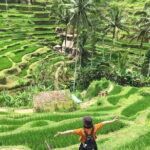
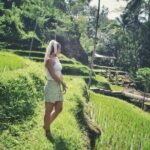
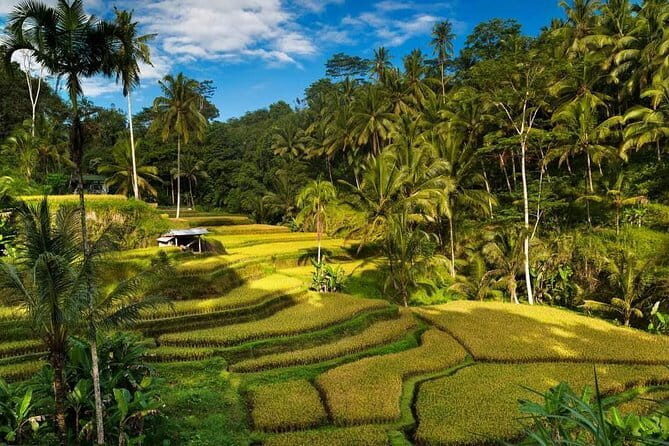
Tegalalang Rice Terrace is next (about 30 minutes). It’s known for scenic outlooks dropping down through the valley toward the rice paddies on slopes. The roadside portion is described as cool and breezy, which is believable given the higher terrain.
This is also where the timing matters. Short visit + lots of people in a famous spot can mean you’ll want to walk a little off the main line to avoid only photographing the crowd.
Tegenungan Waterfall: a convenient nature break near Ubud
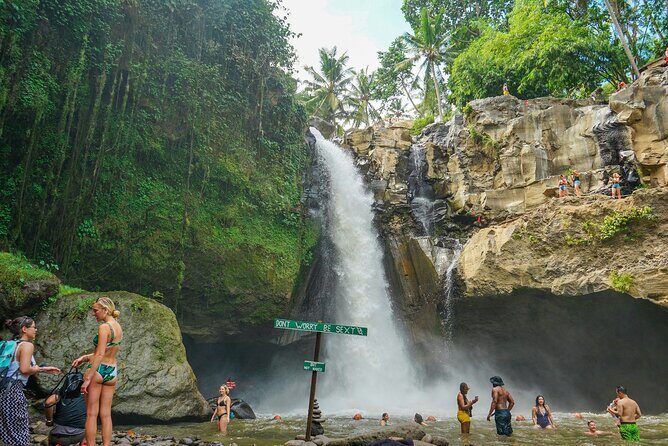
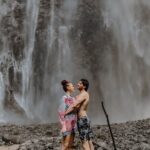
You end Day 1 at Tegenungan Waterfall (about 30 minutes). The tour description positions it as a nature stop that’s easy if you’re staying in Ubud or nearby Sukawati. Waterfalls make everyone happy, and this one gives you a quick reset after terraces and temples.
The main “consideration” with waterfalls in Bali is simple: plan for wet, slippery ground. Wear shoes you can trust.
Day 2 Around Bedugul and West Bali: Temples, Hidden Waterfalls, Fruit Markets, Jatiluwih, Tanah Lot
Day 2 is longer on viewpoints and watery scenery, with a strong sequence of temples, waterfalls, and rice terraces. You start again at 08:00, then finish around 18:00.
Taman Ayun Temple: a temple that reads like it belongs to the landscape
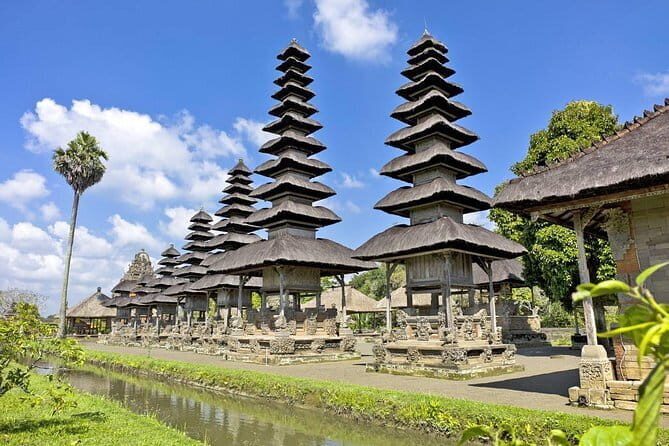
Taman Ayun Temple takes about 30 minutes. It’s described as well-known and located on the road from the Denpasar area toward Singaraja via Bedugul. This stop is a great “temple pacing” piece in the day because it’s not just a quick exterior check—you get time to take it in before heading toward more water and higher terrain.
Leke Leke Waterfall: go past the photo first impression
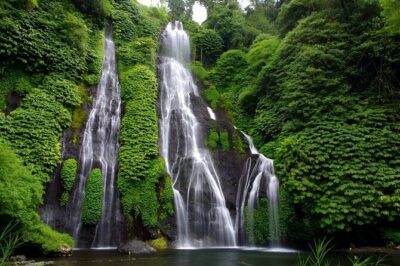
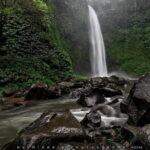
Leke Leke Waterfall (about 1 hour) is one of those places where pictures might under-sell it. The notes say it’s hidden in a rock crevice in north Bali and that it may not look impressive in photos, but it’s actually a big waterfall with jungle surroundings.
This is a tip for how you should approach the day: don’t judge by one social-media angle. If your timing matches and you stay present, the real experience can land better than the thumbnail.
Ulun Danu Bratan Temple: lakeside setting with cool air
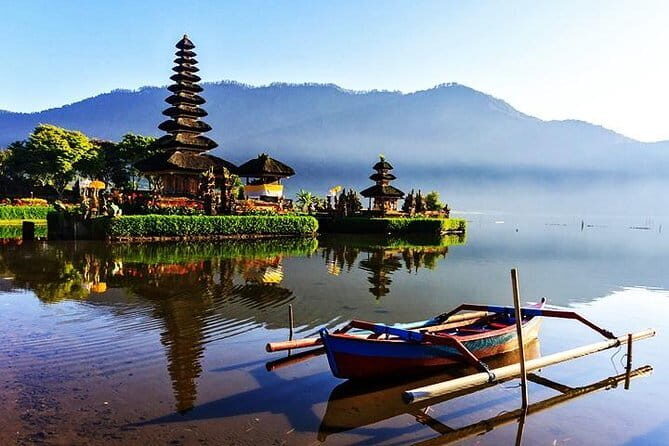
Ulun Danu Bratan Temple (about 1 hour) centers on a lakeside setting at Beratan, with hills surrounding it and a cool atmosphere described for the plateau area. If you like Bali’s “postcard temple meets nature” style, this is one of the better fits.
The lake view is the headline. Even if you’re not a temple person, you’ll still remember the backdrop.
Pasar Candi Kuning: Bedugul fruit market and everyday local life
Pasar Candi Kuning (about 30 minutes), also called Candikuning Fruit Market, is set in the mountain area of Bedugul. The tour notes explain that fruits and vegetables are displayed looking fresh because they’re supplied from local agricultural sources.
This is a good break from temples. You’ll feel the region’s day-to-day rhythm, even if you only watch and don’t buy.
Jatiluwih Green Land: rice terraces with meaning in the name
Jatiluwih Green Land / Jatiluwih Rice Terrace (about 1 hour) is presented as one of Bali’s places to visit for beautiful views. The description also explains the name: Jati means really, and Luwih means special/good/beautiful.
When a stop includes time to enjoy a wider terrace view, you usually get better value than rushing through a single photo. Here, you have enough time to slow your pace a bit.
Tanah Lot Temple: sacred sea temple on a rocky island
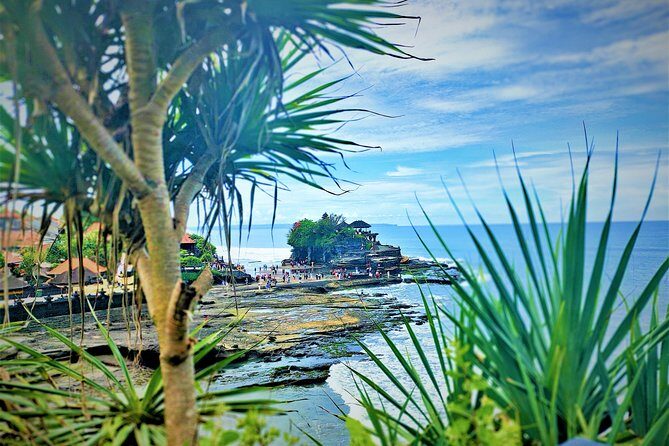
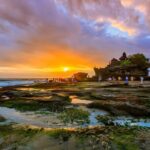
Day 2 closes with Tanah Lot Temple (about 1 hour). It sits on a rocky island just off Bali’s southwest coast and is described as one of Bali’s most sacred sea temples, dedicated to guardian spirits of the sea.
This is the kind of ending that helps the whole day make sense: you go from terraces and lakes to sea-temple drama. Expect a strong “Bali at different altitudes” feeling.
Day 3 in the South: GWK, Uluwatu, Kecak and Fire Dance, Then Jimbaran Seafood
Day 3 is the payoff day for evening atmosphere. Starting around 13:00 means you don’t need an early morning, and the day runs to about 21:00 so you’re set up for night energy.
Garuda Wisnu Kencana (GWK) Cultural Park: the 121-meter statue moment
Your first stop is Garuda Wisnu Kencana Cultural Park (about 2 hours). The headline feature is the Garuda Wisnu Kencana statue, described as standing at 121 meters and tied to Hindu symbolism.
This isn’t a quick look-see. Two hours gives you time to take in the scale and walk around the grounds enough to understand why it’s become one of Bali’s icons.
Uluwatu Temple: a legendary connection to Mpu Kuturan
Next is Uluwatu Temple (about 1 hour). The tour description links it to Mpu Kuturan and says he arrived on Bali in 1039 AD. It also mentions cults founded during that time living in harmony and tolerated each other.
Uluwatu is the kind of stop that feels dramatic even when you don’t know the full backstory, because the setting does a lot of work for you. Your driver’s explanation helps the meaning stick.
Kecak and Fire Dance: about 50 men, CHAK calls, Ramayana story
The Kecak and Fire Dance (about 1 hour) is a clear highlight. The notes explain it as a performance played by about 50 men who shout CHAK, using a Ramayana theme. The story is described as the journey of Sri Rama.
This is a big reason to keep Day 3 in the south. It’s not just another temple. It’s a staged cultural performance with sound, rhythm, and night atmosphere.
Jimbaran Bay: seafood cafes along the beach
The final stop is Jimbaran Bay (about 1 hour). Along Jimbaran to Kedonganan Beach, there are many cafes run by local people, described as something like night markets where you can choose a wide range of seafood.
This is a practical way to end the trip. You’re already in the right mood after Uluwatu and Kecak, and you get an easy dinner that feels local instead of stuck inside a tour-bus restaurant lane.
Price and logistics: what you’re actually paying for
At $180.00 per person for roughly 3 days, this price sits in the “worth it if it saves you planning time” category. A big part of the value is that the tour includes pickup offered plus tickets for the listed stops. Many Bali “see everything” tours start charging you extra at each site. Here, admission ticket inclusion is baked into the schedule you’re buying.
You also get an escort component: the program is led by an English-speaking driver who escorts you to every place on the itinerary and shares local knowledge, plus shows best photography spots. Even if you’re confident navigating on your own, having someone organize the order and keep the day flowing can be the difference between a smooth trip and a day full of wrong turns.
Other helpful details: it’s a private tour/activity so only your group participates. That matters on days like these when you’re stopping frequently; you get less friction than a shared group schedule.
Finally, this program’s popularity is visible in booking timing—on average it’s booked about 58 days in advance—so if your dates are fixed, it’s smart to lock it in early.
Pacing tips so the trip stays fun, not frantic
This program is packed, and that’s not a flaw if you know what you’re buying. The trick is setting yourself up so the busy day doesn’t crush your enjoyment.
1) Wear shoes you can walk in for real. Terraces, temple grounds, and waterfall paths aren’t museum-smooth floors.
2) Keep expectations for time realistic. Some stops are as short as 15 minutes. That’s enough for photos and understanding, not enough for a long, slow wander.
3) Use your driver’s guidance. The tour notes say the driver shows the best photography spot. When someone offers that, it usually saves you from wasting time hunting.
4) Hydrate and snack smart. You’ll be moving from 08:00 to around 18:00 on the first two days. Plan for the fact that you may not want a full sit-down meal every time.
5) For Day 3, treat it like an evening plan. The 13:00 start means you can pace your morning. Then you go temple → performance → beach dinner in the same flow.
If you want a Bali trip where every day feels like a relaxed spa day, this probably isn’t that. If you want a short trip that actually covers the highlights with less stress, it fits well.
Who this 3-Day Bali tour suits best

This experience is best for people who want a high-quality overview of Bali without building a complex itinerary.
It’s a great fit if you:
- Have limited time in Bali and want central + north/west + south coverage
- Like a mix of culture and views: temples, rice terraces, volcano-area scenery, markets, and a nighttime dance
- Prefer having an English-speaking driver manage the route and transitions
- Want admission tickets included for the listed sites, so you can budget less at each stop
It may be a weaker fit if you:
- Hate long days with frequent stops
- Want lots of free time to linger in just one area (like Ubud) for hours at a time
- Prefer doing performances and dinners on your own schedule
Also, it’s described as suitable for most travelers to participate. Still, expect walking and stairs in temple and terrace areas.
Should you book this 3-day Bali highlights tour?
If your priority is seeing Bali fast, with structure, I’d say yes—with one condition: you’re happy to move through a packed schedule and make short stops count.
Here’s the quick decision checklist:
- Book it if you want a well-rounded Bali sampler in three days, with included admissions and a driver who helps with context and photos.
- Don’t book it if your idea of a vacation is slow mornings, long stays, and minimal driving.
One more practical nudge: because this tour is often booked in advance (about 58 days on average), you’ll usually do better locking in your dates sooner rather than later—especially if your travel window is tight.
FAQ
How long is the Exploring Bali in 3 Days experience?
It runs for about 3 days, with Day 1 and Day 2 ending around 18:00, and Day 3 ending around 21:00.
Where is the tour located?
The tour is listed in Seminyak, Indonesia.
What are the start and end times each day?
Day 1 starts at 08:00 and ends around 18:00. Day 2 starts at 08:00 and ends around 18:00. Day 3 starts at 13:00 and ends around 21:00.
Who leads the tour?
The tour is led by an English-speaking driver who escorts you to the places on the itinerary and shares local knowledge.
Is pickup included?
Pickup is offered.
Is the tour private?
Yes. It is described as a private tour/activity, with only your group participating.
Are admission tickets included?
Admission tickets are included for the listed stops.
What’s included in the itinerary?
You’ll visit Sacred Monkey Forest Sanctuary, Ubud Palace, Ubud Traditional Art Market, Kintamani Highland, Bali Pulina Coffee Plantation, Tegalalang Rice Terrace, and Tegenungan Waterfall. Then you’ll go to Taman Ayun Temple, Leke Leke Waterfall, Ulun Danu Bratan Temple, Pasar Candi Kuning, Jatiluwih Rice Terrace, and Tanah Lot Temple. Day 3 includes GWK Cultural Park, Uluwatu Temple, Kecak and Fire Dance, and Jimbaran Bay.
How much does it cost?
The price is $180.00 per person.
What is the cancellation policy?
Free cancellation is available. You can cancel up to 24 hours in advance for a full refund. If you cancel less than 24 hours before the experience start time, the amount paid is not refunded.