REVIEW · SEMINYAK
Ubud Village Sightseeing, Famous Paddy Field And Ubud Waterfall
Book on Viator →Operated by Bali Bliss Tours · Bookable on Viator
Rice terraces, temples, and a waterfall in one day. This Ubud route is interesting because you’re not just chasing views—you’re moving through everyday Balinese life, from the market and palace to a purification spring temple and then a chance to cool off at the waterfall.
I especially love the stop at Ubud Traditional Art Market and the palace area, where you can see what people actually buy and make, not just what’s staged for tourists. And I love Tirta Empul’s holy spring pools, where the spiritual setting feels real and immediate. The one drawback is it’s a long day (about 8 to 9 hours) with a packed pace, and lunch isn’t included.
A smart heads-up: this is private-ride sightseeing, so you’ll get personal attention, but you also won’t have long free time to wander slowly. If you’re the type who likes to linger, plan to move at a steady tempo—or add extra time in Ubud on another day.
In This Review
- Key Highlights You’ll Feel Fast
- The Route: What This Day Is Really About (And What You Pay for)
- Entering Ubud Traditional Art Market and the Palace Area (Not Just Souvenirs)
- Tegalalang Rice Terrace: The View and the Roadside Craft Stops
- Pulina Agro Tourism: Coffee Powder Demo With Rice Terrace Backdrop
- Tirta Empul Temple: Holy Springs and the Melukat Purification Ritual
- Tegenungan Waterfall: Natural Spring Showers and a Chance to Swim
- How I’d Plan Your Day to Make It Feel Relaxing (Not Rushed)
- Price and Value: Is $45 a Smart Deal for This Mix?
- Who Should Book This Ubud Village and Waterfall Day?
- Should You Book This Tour?
- FAQ
- How long is the Ubud Village Sightseeing, Famous Paddy Field And Ubud Waterfall tour?
- What time does the tour start?
- Is pickup offered, and is it a private tour?
- What’s included in the price?
- Is lunch included?
- What are the main stops on the itinerary?
- Can I cancel if plans change?
- Do I need a ticket in advance?
Key Highlights You’ll Feel Fast
- Private car pickup from Seminyak with an English-speaking driver who can guide the day
- Ubud Traditional Art Market + palace visit in one tight, practical stop
- Tegalalang rice terraces with coconut trees and river-valley views
- Pulina coffee plantation demo with rice-terrace views behind the farm
- Tirta Empul holy springs tied to the melukat purification ritual
- Tegenungan waterfall where you can swim and use natural spring showers if you want
The Route: What This Day Is Really About (And What You Pay for)
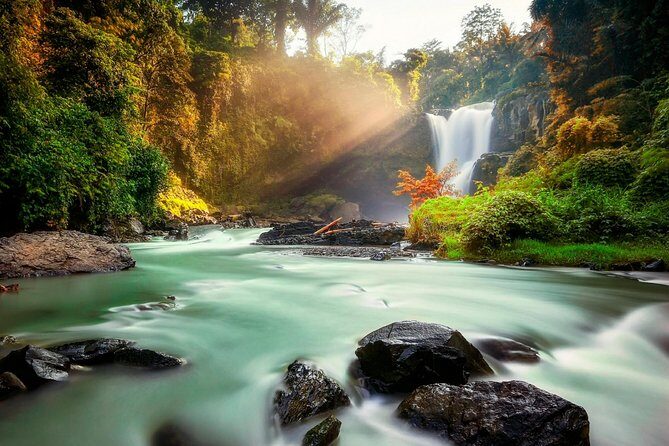
For $45 per person, you’re buying a full Ubud sightseeing sweep that’s heavy on “go see it now” places: market/palace, a top rice terrace, a coffee plantation demo, a major temple, and a waterfall. The value is strong because it includes the private car, all entry tickets, and parking, plus an English-speaking driver. You’re not stuck budgeting for entrance fees one by one while also trying to coordinate transport.
The trade-off is time and stamina. Expect a start at 8:00 am and a day that runs roughly 8 to 9 hours. You’ll cover a lot of ground, but you’ll also be moving. If you want a slow, leaf-by-leaf Ubud day, this route may feel a bit “checklist-y.” If you want variety—culture, craft, agriculture, spirituality, and water—this fits well.
One more practical note: lunch isn’t included. That’s not a dealbreaker, but it does mean you should either eat before you start, plan a simple lunch option on your own, or be ready to grab food between stops if timing allows.
You can also read our reviews of more tours and experiences in Seminyak.


Entering Ubud Traditional Art Market and the Palace Area (Not Just Souvenirs)
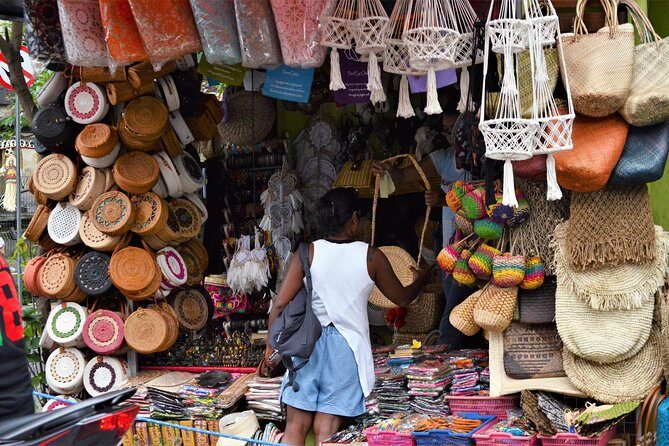
Your first stop is the Ubud Traditional Art Market area, and I like how the day doesn’t treat this as a single shop stop. The market is actually split into two parts with different purposes.
On one side, the traditional market sells daily food items and typically opens earlier. On the other side, the arts market focuses on handicrafts, arts, and textiles. That split matters, because it helps you understand what the market is to locals: food and daily needs in one lane, creativity and buying in another.
Next to it is Ubud Palace, where the royal family lives. Even if you don’t catch an event, the palace setting helps you connect the market to the cultural center of gravity in town. The palace yard is also used in the evening for performances—Legong, Barong, Ramayana, and Mahabharata-style dance shows are tied to that atmosphere—so if your timing lines up, it adds an extra layer. If not, you still get that sense of place.
What to watch for here: markets can turn into a sales maze fast. This is where a good driver/guide style helps. Guides like Gede (often described as punctual and helpful with sightseeing and shopping) tend to keep you oriented so you spend time looking at things you want, not wandering lost or overspending due to confusion.
Possible drawback: one hour goes fast. If you want deep browsing, use this time to pick your “must-buy” category (textiles, woodwork, or specific craft items), then decide later whether you want more shopping.
Tegalalang Rice Terrace: The View and the Roadside Craft Stops
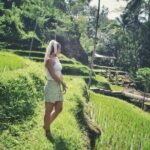
Stop two is Tegalalang Rice Terrace in Tegallalang Village, and it’s popular for a reason. You get classic terrace views with coconut trees and a small river valley feel that makes the scenery look layered, not flat.
But what I like is that the rice terraces aren’t isolated. The road leading through Tegallalang is lined with shops, especially known for painted woodcarvings. The goods here often come from very light wood, and you’ll see both wholesale-style offerings for export and retail options for smaller purchases.
If you’re the type who likes practical souvenirs—things you can picture on your wall at home—this is a good spot to compare styles quickly. You can scan a range of painted carvings along the road, get a feel for quality, and decide what fits your taste without making it a full shopping day.
The main consideration: the terrace area can be busy in general. This tour gives you about one hour, so you won’t have time to hunt for the perfect quiet viewpoint forever. Go early in the day if you can, and don’t wait until you’re already tired—your best photo moments and your best walking pace are often right at the start.
Pulina Agro Tourism: Coffee Powder Demo With Rice Terrace Backdrop
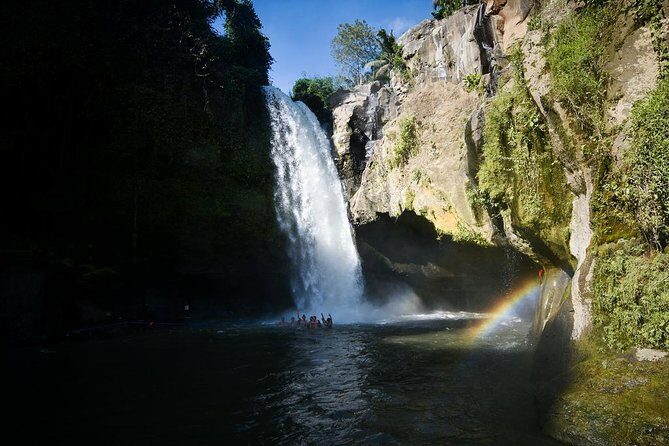
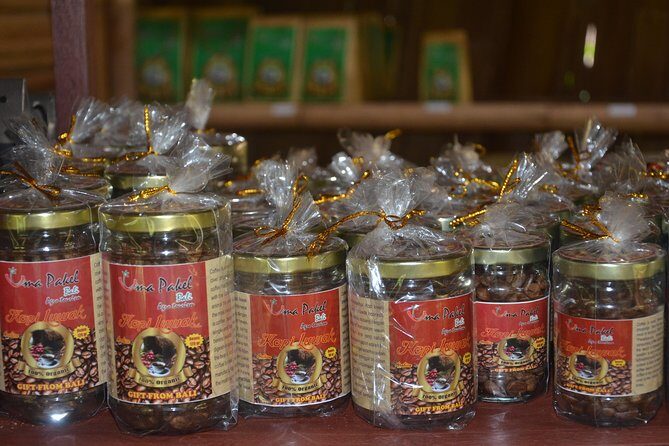
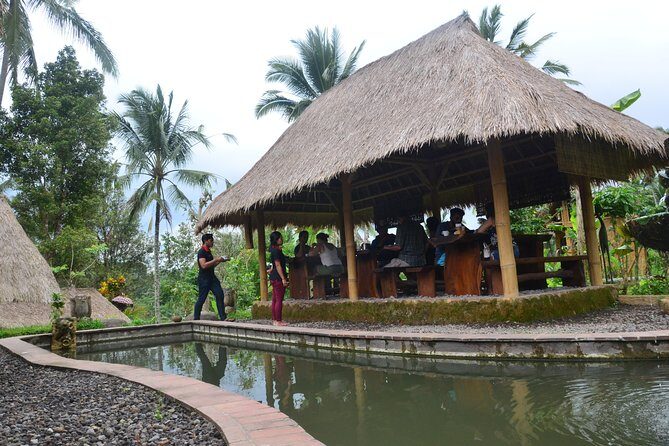
Next comes Pulina Bali Coffee Plantation, and the best part here isn’t just the coffee—it’s the pairing. The farm sits with breathtaking views of rice terraces behind the property, so you’re looking at the same agricultural region that makes Ubud feel like Ubud.
You’ll also get a coffee powder making demo. That short visit (about 30 minutes here) works best if you go in with a simple mindset: watch the process, ask questions if your guide encourages it, and keep moving. Don’t expect a full, slow museum-style education session—this stop is designed to be informative without eating your whole day.
Tip for making this stop feel worth your time: if you’re curious about how local coffee is prepared, focus on the steps you didn’t know before you arrived. If you’re not that into coffee, you can still enjoy it as a scenery break between temple and waterfall.
Tirta Empul Temple: Holy Springs and the Melukat Purification Ritual
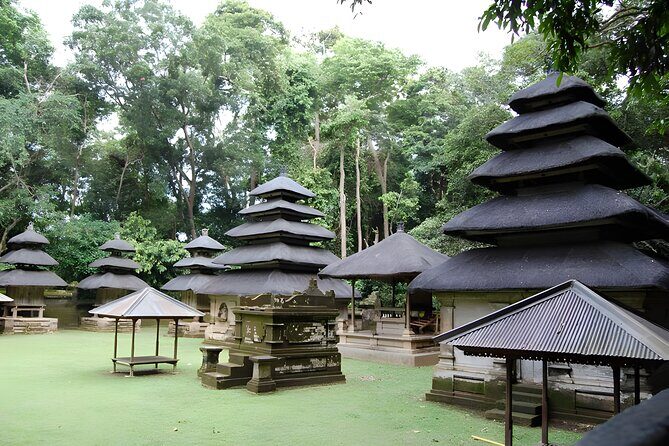
Stop four is Tirta Empul, the Holy Spring Water Temple in the Tampaksiring region near Gunung Kawi. This is one of those places where the setting explains the meaning.
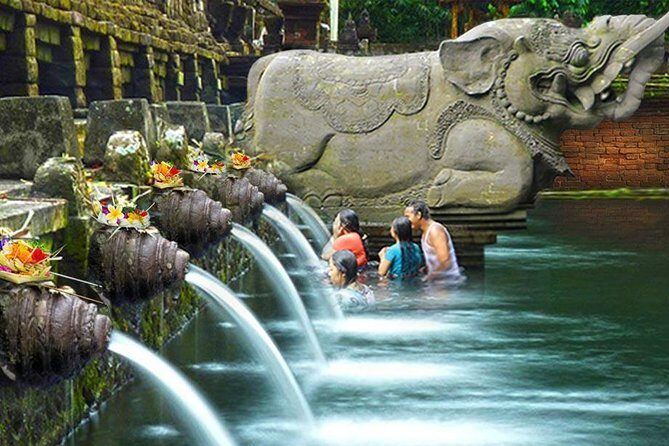
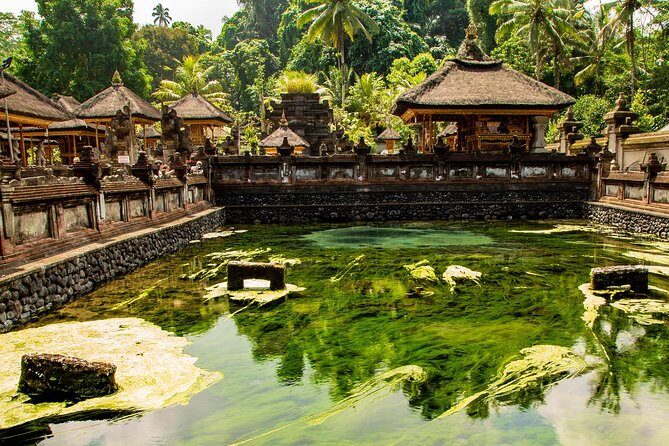
Tirta Empul is built around springs and special bathing pools. In the courtyard, clear spring water bubbles up into enclosed rectangular pools through a sedimentary layer that includes black sand. It’s not just a pretty water feature; it’s a functional sacred system people come to use.
There’s also a Balinese legend attached to the springs: the water is said to be created by the god Indra during a fight with the Mayadenawa King. Whether you take the story literally or just enjoy it as tradition, it shapes the way you see the temple’s role.
The temple can get crowded, especially around secret-day rituals. The purpose of those bathing ceremonies is called melukat, a purification rite connected to cleansing the body as part of removing spiritual burdens—described here as purification from debt. You don’t have to participate to respect the space. What you need is awareness: this is an active holy site, and people are there with real intentions.
Practical consideration: dress respectfully. You’ll be closer to ritual bathing areas than at many sightseeing temples, so follow the site rules and your guide’s advice. If you’re unsure, ask your English-speaking driver/guide how to handle the areas you can walk through.



Tegenungan Waterfall: Natural Spring Showers and a Chance to Swim
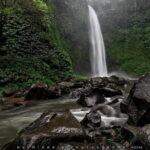
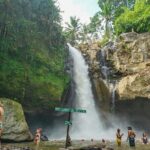
The final major stop is Tegenungan Waterfall. The scenery is green and lively, and there’s a built-in comfort factor here: near the falls, there are several shower baths from natural springs. Local residents often use these in the morning and afternoon to bathe or fetch water for daily consumption, which makes the area feel less like a sealed-off theme park and more like a place that serves everyday life.
And yes, the day gives you a chance to cool off. You can jump and swim in the waterfall area if you want to. That’s a fun option on a warm day—but keep your expectations realistic. Go with your comfort level, watch the conditions, and don’t let the idea of a “big splash” override simple safety.
This stop is around one hour. That’s enough time to take photos, enjoy the sound, and either do a quick swim or just enjoy the view and the mist.
How I’d Plan Your Day to Make It Feel Relaxing (Not Rushed)
This itinerary works best if you treat it like five “chapters,” not one long blur. Here are the practical ways to make it smoother:
- Start hydrated. The day begins at 8:00 am, and you’ll be out through the morning into mid-afternoon range (depending on traffic).
- Pack swim-ready stuff if you want Tegenungan water time. If you’re skipping the swim, still bring something light for the mist.
- Wear closed-toe shoes or sandals with grip. Water areas can be slick, and temple paths can be uneven.
- Think about lunch strategy early. Since lunch isn’t included, decide whether you want a sit-down meal near a stop or something simpler on your own.
If your guide offers to help with shopping, take the offer. People like Komang, described as helpful in driving/assisting and also acting as a photographer-type support person, can help you get moving between viewpoints and reduce the stress of trying to figure out where to stand for photos.
Price and Value: Is $45 a Smart Deal for This Mix?
At $45 per person, this isn’t a “budget-only” experience, and it also isn’t priced like a luxury custom tour. What makes the price feel fair is the included entry tickets plus the private car and driver, which usually add up quickly when you start booking things separately in Bali.
If you were to do these stops on your own, you’d still pay for tickets and transport. The private ride also matters because it keeps the day organized: you can jump from market to rice terrace to coffee to temple to waterfall without wrestling with multiple transfers.
Where the price can feel less ideal is if you end up not caring about one category. For example:
- If you’re not into rice terraces or waterfalls, you might feel like you’re “buying” stops you’ll barely enjoy.
- If you want lots of free time for shopping or lounging, the fixed time at each place can feel tighter than you’d like.
But if you want a balanced snapshot of Ubud—craft and daily life, big scenery, sacred water, and a natural swim option—this route is a solid match.
Who Should Book This Ubud Village and Waterfall Day?
This is a great fit if you:
- Want a single organized day that hits multiple Ubud highlights
- Like your sightseeing structured but still personal (private car, your group only)
- Appreciate both culture (market, palace, Tirta Empul) and scenery (Tegalalang, Tegenungan)
- Don’t want to plan tickets and transport stop-by-stop
It may not be ideal if you:
- Prefer slow travel with long free wandering time
- Hate packed schedules and constant moving
- Want lunch fully handled by the tour (it’s not included)
Should You Book This Tour?
I’d book it if your Bali trip needs one “Ubud hits the major themes” day. The blend is strong: market + palace, the Tegalalang terraces, a quick coffee plantation demo, a meaningful holy spring temple, and a final waterfall stop with a real chance to cool down.
I’d skip (or upgrade your expectations) if you’re chasing a totally relaxed day with downtime and deep browsing. This itinerary is made for doing more in fewer hours, which can be exactly right—or exactly wrong—depending on your travel style.
If you want a tidy way to experience Ubud beyond just one photo spot, this one makes sense.
FAQ
How long is the Ubud Village Sightseeing, Famous Paddy Field And Ubud Waterfall tour?
It runs about 8 to 9 hours.
What time does the tour start?
The start time is 8:00 am.
Is pickup offered, and is it a private tour?
Pickup is offered, and it’s a private tour/activity where only your group participates.
What’s included in the price?
A private car, all entry tickets, parking fees, and an English speaking driver are included.
Is lunch included?
No, lunch is not included.
What are the main stops on the itinerary?
You’ll visit Ubud Traditional Art Market and Ubud Palace, Tegalalang Rice Terrace, Pulina Bali Coffee Plantation, Tirta Empul Temple, and Tegenungan Waterfall.
Can I cancel if plans change?
You can cancel up to 24 hours in advance for a full refund.
Do I need a ticket in advance?
You’ll receive a mobile ticket, and confirmation is received at the time of booking.