REVIEW · SEMINYAK
Canggu Motorbike Lessons
Book on Viator →Operated by Canggu Scooter Lessons · Bookable on Viator
Learning to ride in Bali is less about bravery.
This Canggu manual motorbike lesson focuses on the stuff that actually makes you feel in control: basic technique first, then street practice once you’re ready. You also get protective gear (helmet plus knee and elbow protectors) and bottled water, which makes the whole session feel more like training than a quick demo.
I especially like the step-by-step structure: theory up front, then controlled practice with the clutch, gears, hill starts, and emergency braking before you move onto a real road. The other big plus is that it’s a private session, so your instructor can slow down for your pace and keep correcting the details that matter.
One thing to consider before you book: this is not a scooter class. You’ll be on a manual motorbike, and you’re required to already have scooter riding experience plus a valid license. If you’re starting from zero on two wheels, you may want to build that base first.
In This Review
- Key things that make Canggu Motorbike Lessons different
- Why this manual lesson in Canggu is a smart way to get started
- Start time, meeting point, and how the session starts on a calm note
- Theory first: what you’ll learn about how the motorbike works
- Practice phases: clutch and gears, hill starts, then real street riding
- What the “confidence gate” means for you
- Gear, helmet fit, and why protection helps your brain
- Instructor style: the slow, reassuring coaching factor
- Price and value: is $35 per person worth two hours?
- What you need before you go (so the lesson actually clicks)
- Itinerary feel: what your 2 hours are really like
- Who should book Canggu Motorbike Lessons?
- Should you book this manual motorbike lesson in Canggu?
- FAQ
- Is this a manual motorbike lesson or a scooter lesson?
- Do I need scooter experience before I book?
- How long is the lesson?
- What’s included in the price?
- Is transportation included?
- Where do I meet for the lesson?
- Is this a private activity?
- What if the weather is bad?
Key things that make Canggu Motorbike Lessons different
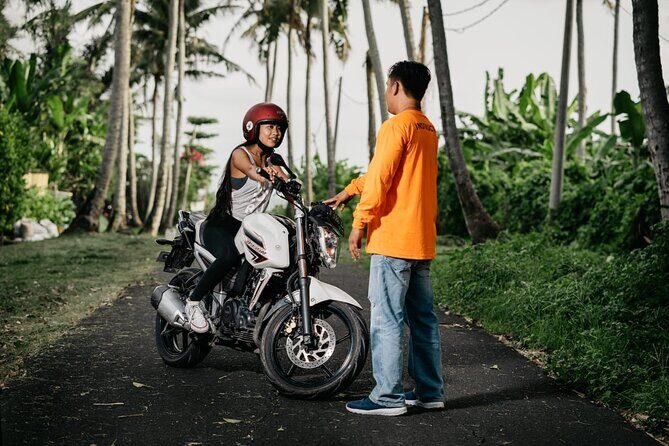
- Manual motorbike training (clutch, gears, and hill starts), not scooter riding
- Theory-to-practice progression where you only enter the street after you feel ready
- Protected riding basics with helmet, knee protectors, and elbow protectors included
- Breaks are allowed, so you can reset instead of forcing panic-learning
- Private group format so you get attention that fits your timing
- Focused on safety moves like emergency braking and low-speed control
Why this manual lesson in Canggu is a smart way to get started
Canggu has a way of making you feel like you should just jump on a bike and figure it out. I get it. The streets are close together, and motorbikes are everywhere. But a manual motorcycle is a different animal than a scooter, and the lesson is designed to respect that.
What I like most is that the training doesn’t rush you onto a busy road. You’ll start with how the bike works—how the controls function—then you’ll practice the foundational actions that prevent the most common beginner problems. Think stalling, jerky starts, wrong gear timing, and the stress of stopping quickly.
Because it’s a manual motorbike lesson, you’ll learn the mechanics behind smooth riding. That matters in Bali traffic, where you often need steady starts, careful speed control, and clean braking more than you need fancy riding.
Also, the course is positioned as the first step: it’s aimed at helping you build confidence within about two hours. That’s a realistic goal if you show up ready to practice.
You can also read our reviews of more tours and experiences in Seminyak

Start time, meeting point, and how the session starts on a calm note
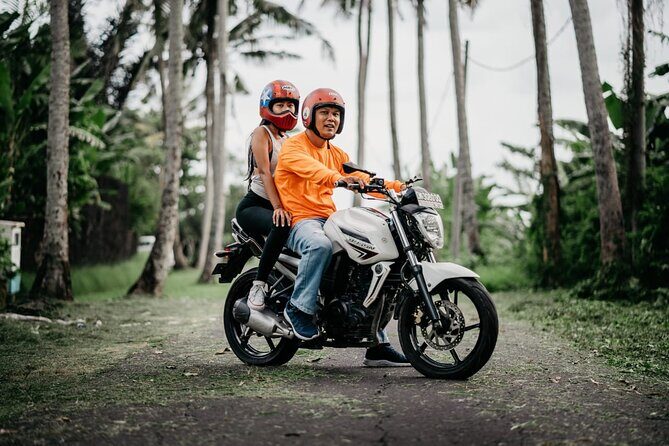
Your lesson starts at 9:00 am at the meeting point listed as C.S.L Meeting Point (94GX+FX7, Canggu, Kuta Utara, Badung Regency, Bali 80351). One useful detail: you’ll meet on a quiet village street, not right in the middle of chaos.
That first moment matters. If you’re nervous, the last thing you want is to begin your training next to heavy traffic or complex junctions. Starting on calmer pavement gives you room to focus on the bike’s feel—clutch bite, gear changes, balance, and how the brakes behave.
You’ll receive a mobile ticket, and confirmation is handled at booking time. Since this experience is private and only your group participates, you won’t be stuck watching other people learn while you wait for your turn.
Theory first: what you’ll learn about how the motorbike works
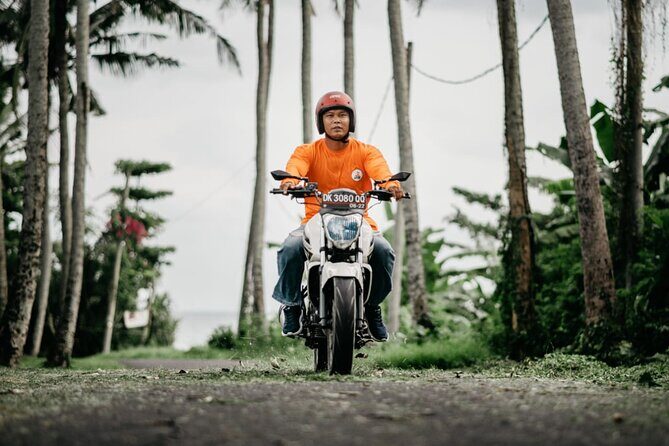
The lesson begins with a theory session. It’s not a long lecture. The goal is practical: you need to understand what the bike is doing before you ask it to do anything in motion.
Here’s what that theory tends to cover based on the lesson outline:
- How each control works and what it’s for
- How to coordinate clutch and gears
- What to expect during low-speed starts and stops
This is the part I recommend you take seriously, even if you think you already know how bikes work. Manual riding is mostly timing. If you don’t understand what the clutch and gears are doing, your hands will guess. You end up “trying” instead of learning.
The instructors also build in the safety logic you’ll use later. You’ll learn emergency braking as a core skill, not as an afterthought. That’s smart, because fear often comes from not knowing how to stop or control speed when something changes.
Practice phases: clutch and gears, hill starts, then real street riding
After theory, you move into the basics. The lesson explicitly includes:
- Clutch control
- Gears (how to shift without lurching)
- Hill starts
- Emergency breaks
Those topics tell you exactly what kind of rider this lesson is preparing you to be. Hill starts are especially important in Bali, because slopes and stop-and-go moments are part of everyday driving conditions. If you’ve ever seen someone roll backward on a hill, you already understand why this is taught early.
The training is staged. You practice in controlled conditions first. Only after the instructor judges that you’re confident do you continue on to a street. And you can take breaks whenever you need them.
That break-time detail is underrated. Two hours can feel fast when you’re anxious. But when you’re learning a manual bike, muscle memory and timing don’t always land the first time. Short pauses help you reset your posture, catch your breath, and try again with clearer attention.
What the “confidence gate” means for you
The lesson doesn’t promise that you’ll be perfect. Instead, it uses a simple idea: you move forward only when you can demonstrate basic control. For many beginners, that’s the difference between leaving feeling safer versus leaving feeling lucky.
You’ll get more value if you treat the first part of the session like training drills, not a test. Focus on smooth clutch engagement and predictable braking. Smooth is safety.




Gear, helmet fit, and why protection helps your brain
Included with your lesson:
- Motorbike and helmet
- Bottled water
- Knee and elbow protectors
These are small items that change the whole experience. When you’re learning, you’re not just learning the bike—you’re also learning how to recover if something goes wrong. Having knee and elbow protectors can reduce the physical fear that makes beginners stiffen up.
And you’ll want that flexibility. Stiff arms and a locked body make clutch and steering harder to manage. The gear helps you stay calmer so you can focus on the technique.
The helmet and protectors are also practical in Indonesia’s sun and heat. Even if you’re not thinking about comfort, the lesson runs long enough that water and shade matters.
Instructor style: the slow, reassuring coaching factor
The reviews point to a consistent teaching pattern: instructors take your anxiety seriously and adjust the pace.
I’m using the names you’ll see in the feedback because it helps you picture the experience:
- Rico is credited with helping someone transition from feeling uneasy to feeling comfortable and safer on Bali roads.
- Dino is described as reassuring, especially for someone who hadn’t driven for months after an accident.
- Gede is repeatedly praised for helping a rider overcome fear and learn quickly, with explanations that were easy to understand.
What this tells you is the real value here isn’t just the motorcycle. It’s the coaching style. When you’re learning manual riding, your brain needs time to process: clutch timing, gear change rhythm, and braking pressure.
If you arrive already nervous, pick this lesson style because it tends to focus on reassurance and step-by-step learning rather than rushing you into difficult moments.
Price and value: is $35 per person worth two hours?
The price is $35.00 per person for about 2 hours. That’s a good value when you look at what’s included and what you’re paying for.
You’re not just paying for a bike rental. You’re paying for:
- Instruction on manual motorcycle fundamentals
- A structured sequence (theory, drills, then street practice when you’re ready)
- Safety skill coaching (including emergency braking)
- Equipment support (helmet, knee/elbow protectors) plus bottled water
Also, it’s private. A private format usually means fewer wasted moments. You’re not waiting your turn while the instructor helps other people. For a skills lesson, that time matters.
One more detail that signals demand: it’s booked on average about 5 days in advance. That doesn’t guarantee scarcity, but it’s a clue that spots can move quickly during busy periods. If you want a specific day, don’t leave it until the last minute.
What you need before you go (so the lesson actually clicks)
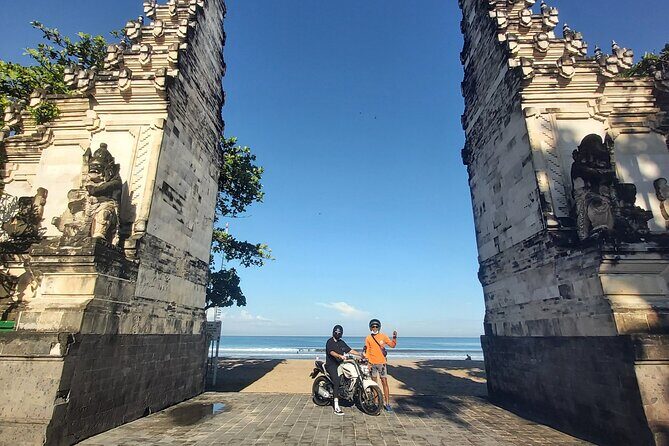
This is where you should be honest with yourself. The lesson requires:
- You have experience riding a scooter
- You have a valid license
- You have moderate physical fitness
The scooter experience requirement is key. Even if you’ve ridden a scooter confidently, you’ll still learn new coordination for clutch and gears. But if you’ve never handled a motorbike-like balance situation before, the two-hour window may not be enough.
Moderate physical fitness is also realistic: you’ll be moving the bike, practicing starting and stopping, and repeating drills. If you have mobility or stamina limits, you might find it hard to keep the practice consistent.
If you’re unsure, consider whether a simpler scooter refresher first might make this lesson more effective.
Itinerary feel: what your 2 hours are really like
While the lesson is only about 2 hours, it’s built around quality reps, not just sitting on the bike.
A realistic flow looks like:
1) Meet at the quiet street at 9:00 am
2) Theory on controls and bike functions
3) Practice essentials: clutch, gears, hill starts, emergency braking
4) Test of readiness and then street riding when confident
5) Breaks as needed
6) End back at the meeting point
You don’t have to guess what’s coming next. The lesson outline is clear enough that you can mentally prepare: you’ll do technique drills early, then street time later.
Who should book Canggu Motorbike Lessons?
Book this if:
- You’re ready to ride a manual motorcycle, not just a scooter
- You already have scooter experience and want to make the next step
- You want a coach who helps you build confidence, especially if you’re nervous
- You prefer a private session where instruction can match your pace
You might skip it (or plan something easier first) if:
- You have zero scooter riding experience
- You don’t have a valid license
- You expect a casual, hands-off ride with minimal practice
And if you’ve taken a break after an accident or a scary ride, this lesson style can be a good fit, because reassurance and slow progression are part of the teaching approach.
Should you book this manual motorbike lesson in Canggu?
Yes, if your goal is confidence on a manual bike and you’re already comfortable on a scooter. The structure makes sense: theory first, then clutch and gear control, then safety skills like hill starts and emergency braking, and only then street practice.
I’d book it sooner rather than later, since it tends to sell out enough that average bookings happen about 5 days in advance. Also, show up with the scooter experience and license requirement met, because those two items are what let the lesson move at the pace that helps you actually learn.
If you’re looking for a quick thrill ride, this isn’t that. If you want real technique plus a calmer path to street confidence, this is a solid value at $35 per person for a guided, private 2-hour session.
FAQ
Is this a manual motorbike lesson or a scooter lesson?
It’s a manual motorbike lesson, not a scooter lesson.
Do I need scooter experience before I book?
Yes. The lesson requires that you have experience riding a scooter.
How long is the lesson?
The duration is about 2 hours.
What’s included in the price?
Included are the motorbike and helmet, bottled water, and knee and elbow protectors.
Is transportation included?
No. Private transportation is not included.
Where do I meet for the lesson?
You meet at C.S.L Meeting Point (94GX+FX7, Canggu). The activity ends back at the meeting point.
Is this a private activity?
Yes. It’s a private tour/activity, and only your group participates.
What if the weather is bad?
The experience requires good weather. If it’s canceled due to poor weather, you’ll be offered a different date or a full refund.