Spice shops beat spice souvenirs every time. This Seminyak class pairs a morning market walk with hands-on cooking, then serves the meal you make. You learn how Balinese build flavor from the ground up, including banana-leaf wrapping and familiar favorites like Nasi Goreng.
What I like most is the way the day starts where ingredients are actually sold, so you can connect your cooking to real stalls and real choices. I also like the practical take-home package: a recipe book plus a completion certificate, not just a plate of food.
One thing to consider: it is a 5+ hour, mostly standing-and-cooking day in the heat, and it is not recommended if you have a vitamin allergy.
In This Review
- Key things to know before you go
- Market Morning in Seminyak: ingredients you can actually point to
- A practical note on comfort
- The cooking class: 9 dishes, real technique, and shared-station work
- Ayam Betutu and the banana-leaf folding skill
- Nasi Goreng and the familiar anchor
- Pace and group dynamic
- When the heat and standing turn into lunch you earned
- How hungry to arrive
- Take-home value: recipe book, certificate, and ingredient shopping hints
- Flea market stop: a bonus for ingredient browsing
- Logistics in plain language: meeting point, transport, and timing
- Weather matters
- Price and value: why $45 can make sense here
- Who this class is perfect for (and who should skip it)
- Should you book Nia Balinese Cooking Class?
- FAQ
- Where is the meeting point for Nia Balinese Cooking Class?
- What time does the experience start?
- How long is the cooking class?
- What’s included in the price?
- Is drop-off transport included?
- How many travelers are in a group?
- Is it suitable if I have a vitamin allergy?
- Does the schedule depend on the weather?
- Can I cancel for a full refund?
Key things to know before you go
- Market-first start at about 8:30 lets you learn ingredients in context, before the stove
- Hands-on cooking of 9 dishes with guidance, snacks, and drinks during prep
- Ayam Betutu in banana leaves includes traditional folding technique you may not see elsewhere
- Big lunch payoff: you eat what you helped prepare, not just watch
- Small group size (max 15) helps keep the day organized and interactive
- No drop-off transport, but staff can help you figure out your ride back
Market Morning in Seminyak: ingredients you can actually point to
The day kicks off at Warung Nia Balinese Food & Pork Ribs near Kayu Aya Square, with a start time of 8:00am. From there, the focus shifts quickly to food reality: at 8:30am, you head out for a traditional market visit around the Seminyak Square area.
This is one of the best parts of the experience because you are not learning recipes in theory. You are walking past the stuff you will later chop, grind, and season. Spices, aromatics, vegetables, fruit, and prepared ingredients are all part of the lesson. It makes a huge difference when you can match what you see at a stall with what’s on your cutting board later.
You’ll also get a feel for how Balinese cooking is built. Many dishes rely on a strong spice base and fresh aromatics, and the market tour is where that clicks. Even if you already know the classics, the market makes you notice the details: which ingredients are used often, how they’re grouped, and what looks fresh versus what looks processed.
You can also read our reviews of more cooking classes in Seminyak
A practical note on comfort
This part of the day is outdoors and early. Wear comfortable walking shoes because you’ll move around. If you’re sensitive to sun or sweat, bring a hat and consider using sunscreen before you leave the warung. It may sound basic, but if you start the day comfortable, you enjoy the cooking part more.
The cooking class: 9 dishes, real technique, and shared-station work
After the market, you return for a cooking setup that includes snacks and drinks. Then you get into the main event: cooking 9 Balinese dishes through the day’s session.
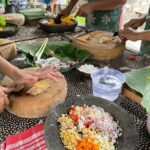
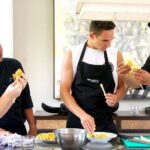
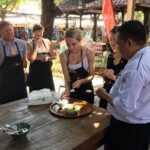
The class is designed for participation, not just watching a chef do everything. You work at the cooking stations and follow the steps as the head chef and staff guide you. One detail I like in the way this experience is structured is that it keeps you moving through different recipes instead of getting stuck on one dish for hours.
Ayam Betutu and the banana-leaf folding skill
A standout mentioned in the class description is Ayam Betutu wrapped in banana leaves with a special folding method. That banana-leaf craft matters because it reflects how Balinese cooking can be both practical and ceremonial. The leaf wrapping helps with steam-cooking and creates a distinct aroma that you don’t get from regular foil or plastic wrap.
When you learn the folding technique, you’re doing more than copying a shape. You’re learning how tradition affects flavor and texture.
Nasi Goreng and the familiar anchor
Alongside the more traditional dishes, the class includes Nasi Goreng. This is a helpful anchor if you’re new to Balinese cuisine. You’ll get to practice spice balance and stir-fry rhythm in a dish many people recognize, but the market prep makes it feel less like a generic fried rice and more like a Balinese version with its own character.
You can also read our reviews of more tours and experiences in Seminyak






Pace and group dynamic
The day is set up so the group works together. That can be a plus if you like the social energy of a shared kitchen. It can also mean you do not always cook one full dish start-to-finish in a perfectly linear way. Instead, you’ll likely cycle through steps as recipes move along.
If you prefer solo, private cooking with full control from start to plating, this group format may not feel like your style. But if you want a fun, organized day where you actually touch the food and learn the methods, it hits the mark.
When the heat and standing turn into lunch you earned
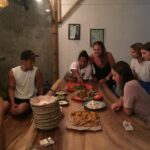
One reason people rave about this kind of class is simple: you cook, then you eat. The schedule is built around that payoff. After the cooking portion, there is lunch, and the meal includes what you prepared.
This is the part where you stop wondering if you can recreate the flavors later and start tasting them right away. A big lunch also changes your perspective on the recipes. When you eat several dishes in one sitting, you notice how seasoning and texture work together across the menu.
How hungry to arrive
Be ready to work up an appetite. Even with snacks in the middle of the process, you’ll likely be glad you didn’t start the morning too full. If you eat a heavy breakfast right before you go, you may still enjoy lunch, but it can take some of the joy out of trying everything.
Take-home value: recipe book, certificate, and ingredient shopping hints
At the end of the day, you receive a cooking class certificate and a recipe book. For me, that’s what turns a fun afternoon into something you can actually use at home. Without notes, cooking classes can fade fast. With a recipe book, you have a path to repeat the flavors later when you shop for ingredients again.
You’ll also come away with practical knowledge about which ingredients matter. The market experience makes shopping smarter later because you know what to look for and why it’s important.
Flea market stop: a bonus for ingredient browsing
The itinerary includes a stop at The Flea Market Seminyak. Even if you’re not planning to ship anything home, it’s a good chance to browse local food products, tools, and packaged spices that you might not see in a regular grocery store.
If you are thinking about bringing small food items back, follow a simple rule: keep purchases sealed and look for labels that make sense for customs paperwork. That’s the kind of practical tip that can save headaches if you’re traveling onward.
Logistics in plain language: meeting point, transport, and timing
Here’s the practical shape of the day.
- Meeting point: Warung Nia Balinese Food & Pork Ribs, Kayu Aya Square, Jl. Kayu Aya No.19-21, Seminyak
- Start time: 8:00am
- Market timing: about 8:30am
- Duration: around 5 hours
- End: back at the meeting point
- Tickets: mobile ticket
You should also plan for the fact that drop-off transport is not included. The operator says staff can assist you to get transport, which helps, but you still need to be responsible for your own ride back. Because the meeting area is near public transportation, it’s usually manageable to return using local options or a taxi/ride-share.
Weather matters
The experience requires good weather. If weather is poor, it may be rescheduled or refunded, so keep that in mind when you’re packing your Bali itinerary.
Price and value: why $45 can make sense here
At $45 per person, you’re paying for more than a meal. You’re paying for a guided morning experience plus a hands-on cooking session plus the food and documentation.
What you get:
- Market time at 8:30am to see ingredients where they’re sold
- Snacks and drinks during the class
- Cooking and learning 9 dishes
- Lunch
- Certificate and recipe book
In Seminyak, you can absolutely spend $45 just on food for a single sitting. Here, your money buys time and structure: you learn techniques, you understand ingredients, and you leave with a recipe guide you can use later. That combination is what makes the price feel fair.
Still, it only works well if you match the style of the class. It’s best for people who enjoy group cooking, don’t mind standing for a few hours, and want a taste of authentic Balinese cooking methods rather than a quick demo.
Who this class is perfect for (and who should skip it)
This is a strong choice if you want:
- A cooking-focused cultural experience, not just a food tasting
- A market-first way to understand ingredients
- A full lunch you didn’t just buy, but helped create
- A small-group day that stays organized, capped at 15 travelers
It may not be the best fit if:
- You have a vitamin allergy (it is not recommended)
- You dislike group work or you want one dish completed end-to-end in isolation
- You struggle with heat and being on your feet for about 5+ hours
If you’re traveling as a couple, a small group of friends, or solo, the class can also be an easy way to meet people because the cooking setup naturally mixes you into the day’s rhythm.
Should you book Nia Balinese Cooking Class?
Yes, if you want a morning that’s more than eating and if you like learning through doing. The combination of a traditional market start, hands-on work on 9 dishes, and a sit-down lunch makes this a good value in time and money.
I’d book it if banana-leaf techniques, spice shopping, and a real Balinese kitchen feel like your kind of souvenir. I’d think twice only if you can’t handle long standing in warm weather or if you have a vitamin allergy that makes shared ingredient exposure risky.
FAQ
Where is the meeting point for Nia Balinese Cooking Class?
You’ll meet at Warung Nia Balinese Food & Pork Ribs, Kayu Aya Square, Jl. Kayu Aya No.19-21, Seminyak, Bali.
What time does the experience start?
The start time is 8:00am.
How long is the cooking class?
The duration is about 5 hours.
What’s included in the price?
The experience includes lunch, a cooking class certificate, and a recipe book.
Is drop-off transport included?
No. Drop-off transport is not included, but staff can help you get transport back.
How many travelers are in a group?
The tour has a maximum of 15 travelers.
Is it suitable if I have a vitamin allergy?
It is not recommended for travelers with a vitamin allergy.
Does the schedule depend on the weather?
Yes. The experience requires good weather. If it’s canceled due to poor weather, you’ll be offered a different date or a full refund.
Can I cancel for a full refund?
Yes. You can cancel up to 24 hours in advance for a full refund.