REVIEW · SEMINYAK
Kerobokan French Pastry and Bakery class for Adult
Book on Viator →Operated by balikiddopastry · Bookable on Viator
If you want a French-style baking class that actually teaches technique, this Kerobokan session in Seminyak is a fun bet: it’s hands-on, and you’ll work with dough, creams, ganache, and fillings rather than just watching. I also like the promise of personalized attention in a small group, so questions don’t get swallowed by the crowd.
You also get a clear structure that covers the pastry stuff that usually trips people up: types of flour, fats, and leavening agents; plus shaping and decorating skills like piping and layering. The class is designed for both beginners and people who want to refine their results.
One consideration: you’re in a true workshop format, and it’s weather-dependent, so plan for the possibility of rescheduling if conditions aren’t good.
In This Review
- Quick takeaways
- Kerobokan to Seminyak: where this pastry class fits in Bali
- Small-group lesson (max 10): why you get real attention
- What you’ll actually do in 2 hours
- Step 1: Build the foundation (the stuff most people skip)
- Step 2: Work doughs and pastry components
- Step 3: Shape and decorate like you mean it
- Step 4: Eat what you make (or take it with you)
- The skill set: dough, creams, ganache, fillings, and why they matter
- Flour, fats, and leavening: the texture control board
- Cream, ganache, and fillings: building flavor on a structure
- Seasonal themes and exotic flavor ideas
- Decorating and troubleshooting: make it look good and fix it fast
- Included extras that make the class easier (and more enjoyable)
- Price and value: is $35.26 a smart deal?
- Who should book this adult French pastry class
- Should you book this pastry class in Seminyak?
- FAQ
- How long is the Kerobokan French Pastry and Bakery class for adults?
- Where does the class meet, and where does it end?
- What’s the price per person?
- Is transportation included?
- What group size should I expect?
- Is a mobile ticket used?
- What’s included in the class?
- Do I need to bring ingredients or baking supplies?
- What happens if the weather is poor?
- Are there any restrictions or special notes about booking?
Quick takeaways
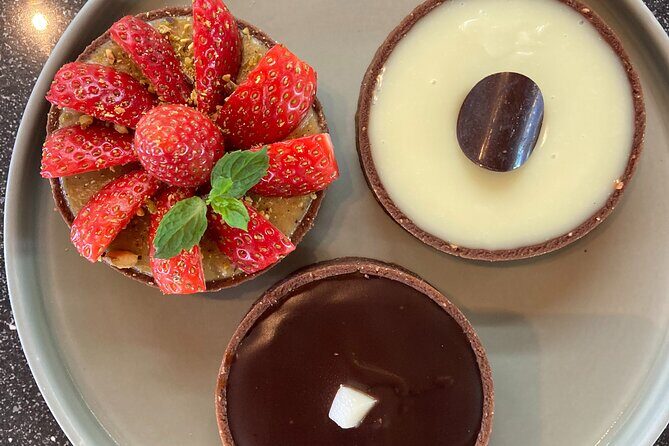
- Small-group attention: lessons are capped at about 8, with the overall activity max listed at 10.
- Technique-first: you learn pastry basics, then build dough, cream, ganache, and fillings step by step.
- Decorating and problem-solving: piping, layering, and troubleshooting common pastry issues.
- You leave with treats: your pastry/cake can be eaten now or brought home.
- Included basics: everything needed to bake, plus fresh mineral water and packaging/apron.
Kerobokan to Seminyak: where this pastry class fits in Bali
This is a focused, low-fuss experience in Seminyak / Kerobokan—not a full-day tour with multiple stops. The meeting point is in Kerobokan Kaja (85RH+VM8), and the activity ends back there, so you’re not scrambling to get across town afterward.
It’s also designed for adults, but that doesn’t mean it feels stiff. Think practical fun: you’ll be doing real pastry work with guidance, and the class is built to help you understand why things behave the way they do. That’s the difference between memorizing a recipe and actually getting better.
Timing is also part of the value: it runs about 2 hours, which is long enough to learn a method and get to the fun part (shaping, decorating, and enjoying what you made). Short enough that you can still fit it into a busy Bali itinerary.
You can also read our reviews of more tours and experiences in Seminyak
Small-group lesson (max 10): why you get real attention
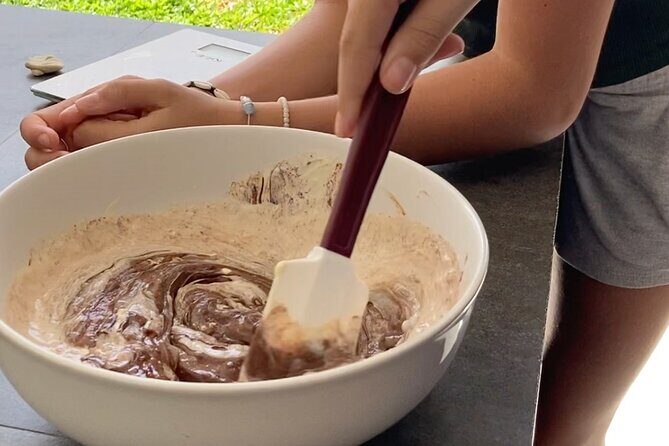
The lesson size is one of the strongest reasons to book. The class description calls out maximum 8 people per lesson, and the activity listing states a maximum of 10 travelers. Either way, it’s small.
In a workshop this size, you don’t have to “guess” whether you’re doing things right. You can ask for what you need, whether it’s how to handle dough texture, how to pipe a cleaner line, or what to do when something looks off. One review highlighted a teacher named Romain/Romano as being happy to share his knowledge, which matches the whole “hands-on plus coaching” idea.
This kind of class is especially good if you:
- want feedback on your technique (not just recipes)
- are traveling with friends and want a shared activity with a tangible result
- learn faster when someone can watch your process and correct it early
What you’ll actually do in 2 hours
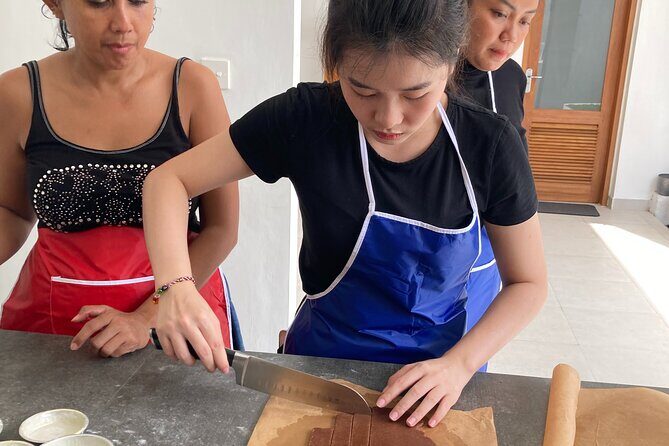
You’ll cover a full pastry workflow, but in a practical, class-friendly way. Here’s the general shape of the session, based on what’s taught and what’s included.
Step 1: Build the foundation (the stuff most people skip)
You’re not just handed ingredients and told to mix. The class focuses on understanding flour, fats, and leavening agents—the “why” behind pastry success. That matters because pastry can go wrong for predictable reasons: too much flour, wrong fat behavior, or leavening that changes the structure.
If you’ve ever made something that tasted good but had the wrong texture, this is the part that helps you fix the cause instead of starting over.
Step 2: Work doughs and pastry components
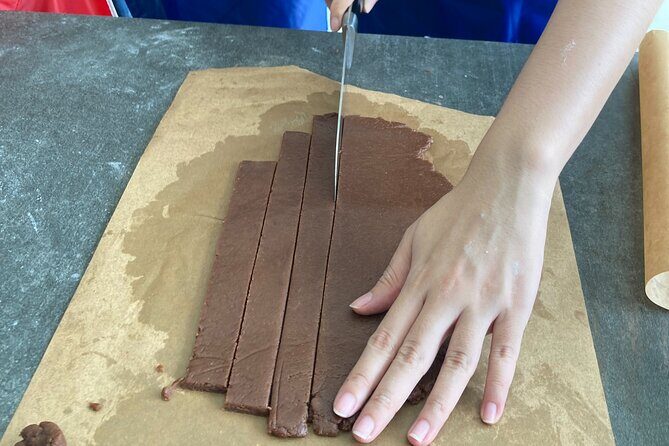
You’ll learn how to create different types of dough, plus the other key parts that define French-style pastries. Expect instruction around:
- mixing and working dough
- making or preparing creams, ganache, and fillings
- handling toppings and finishing elements
The class description also explicitly calls out making pastries like tarts, pies, tarts, cookies, and cakes (and more). Even if the exact menu changes, the process teaches transferable skills you can reuse at home.





Step 3: Shape and decorate like you mean it
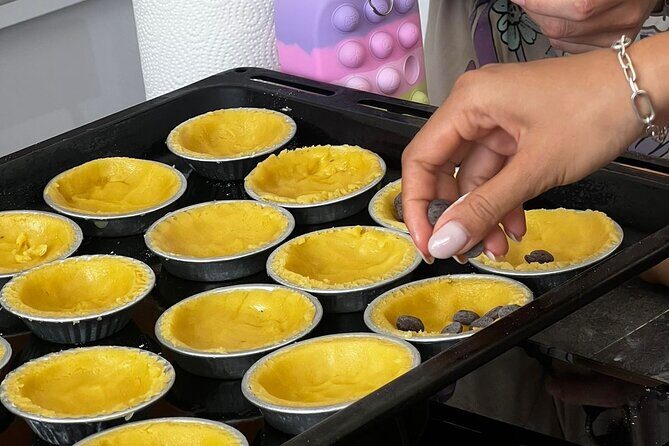
This is where the fun ramps up. You’ll get guidance on shaping and decorating techniques, including piping and layering. One review mentioned the teacher encouraged creative presentation—so you’re not stuck with a single rigid look.
For me, this is the best payoff in a pastry class. Baking isn’t just taste; it’s also presentation and structure. Learning how to place layers, control piping, and build a clean finish turns a good outcome into a great one.
Step 4: Eat what you make (or take it with you)
The included items mention your creation to eat now or bring home, plus packaging. That’s a big deal for value. Many classes end with you leaving with a head full of ideas and an empty stomach. Here, you should leave with something you can enjoy immediately.
The skill set: dough, creams, ganache, fillings, and why they matter
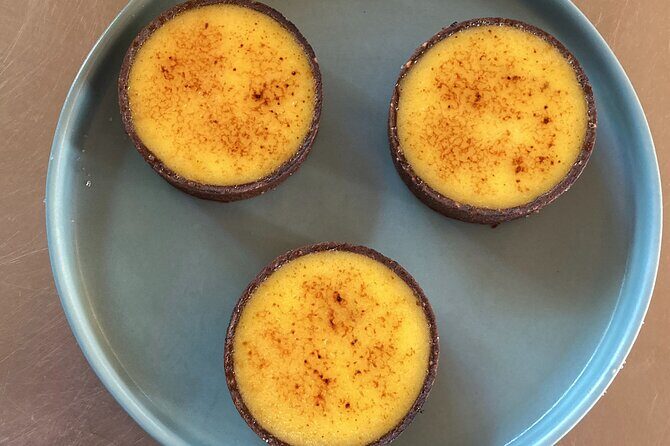
Pastry can feel mysterious until you understand how ingredients interact. This class tries to make that click.
Flour, fats, and leavening: the texture control board
The class teaches the basics of:
- types of flour (how they affect structure)
- fats (how they influence tenderness and richness)
- leavening agents (how they affect rise and crumb)
If you’re aiming for flaky pastry, soft cake, or custardy fillings, this ingredient logic is what helps you choose the right approach next time.
Cream, ganache, and fillings: building flavor on a structure
The instruction focuses on creams and ganache, plus fillings like custards, fruits, and nuts. The practical value here is that you learn how to think in layers:
- base structure
- flavor layer
- finishing texture
That layering thinking also helps you when you freestyle later. Instead of copying a recipe, you learn to balance sweetness, acidity (often from fruit), richness (cream/ganache), and texture (nuts or crisp elements).
Seasonal themes and exotic flavor ideas
One of the more interesting notes in the class overview is that it may explore specialty themes, seasonal ingredients, or exotic flavor combinations. Translation: you might not get the exact same experience every time, and that can be a plus if you like trying new flavor pairings.
In a place like Bali, I like taking a classic French skill and seeing how it’s adapted to what’s fresh and available.
Decorating and troubleshooting: make it look good and fix it fast
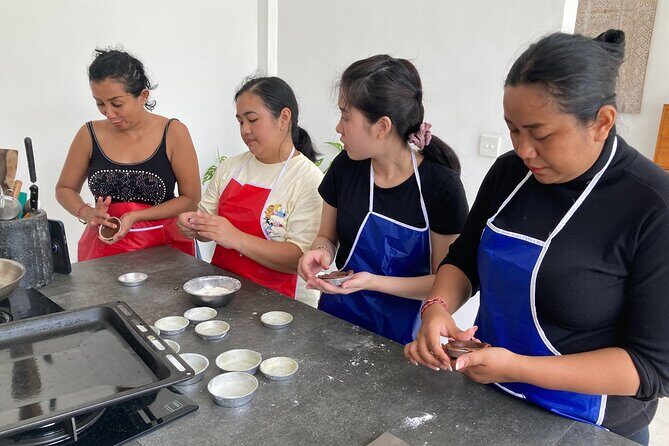
A standout part of the class description is troubleshooting. Many cooking classes either ignore failures or treat them like mystery.
Here, you’re specifically taught to avoid common pastry issues in the future. That usually means you learn what went wrong when:
- pastry looks uneven
- layers don’t set the way you expected
- piping or decoration turns messy
- texture is off (too firm, too soft, too dense)
And because you’re in a small group, you can ask about your specific situation instead of getting a general “try harder” answer. In reviews, the teacher’s attention shows up again: one note called the instructor attentive, encouraged creativity, and helped the class members present their tarts their way. That kind of coaching is exactly what turns troubleshooting into a real skill.
Included extras that make the class easier (and more enjoyable)
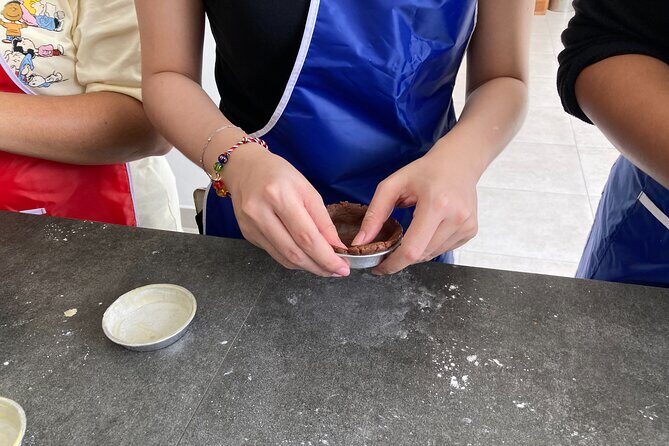
This is one of those “check the details” activities where the small inclusions make the whole session feel smoother.
Included:
- everything needed to bake and make your creation
- water: a gallon with fresh mineral water
- packaging and an apron (listed as Eperon)
- ingredients and your cake/pastry to eat now or bring home
Not included:
- transport
Why I like this setup: it removes the friction. If you’ve had a day of sun, traffic, and snack hunting in Bali, the last thing you want is to worry about supplies. Here, you show up, and you’re ready to work.
Also, having packaging means your take-home treat isn’t just a sticky mess wrapped in hope. That’s practical for anyone who’s flying later or just doesn’t want dessert melting in a hot bag.
Price and value: is $35.26 a smart deal?
At $35.26 per person, this class lands in the “worth it for a hands-on skill and a real result” category—especially because you’re not only tasting something. You’re learning technique, creating pastries, and leaving with edible output.
What you’re paying for is:
- instructor coaching (small group)
- ingredients and all bake-ready supplies
- training in multiple skills: dough, creams/ganache, shaping, decorating
- something to eat now or take home
Two hours is also a value signal. You’re not paying for a long day, and you’re not burning a morning or evening that you could spend on the beach.
Compared to many food activities that are mostly eating, you’re getting a repeatable skill. If you enjoy cooking, you’ll likely use what you learn again. Even if you don’t bake at home often, the confidence from learning dough handling and decorating is still useful.
Who should book this adult French pastry class
This is a great match if you:
- want a structured, technique-focused baking workshop
- like French-style pastry but don’t want to learn from a vague YouTube tutorial
- enjoy creating something you can show friends (tarts and decorated pastries look great)
- are traveling with friends or family and want a shared activity with a clear payoff
It’s also a solid choice for beginners. The class explicitly says it supports both beginners and people refining skills, and the focus on fundamentals (flour/fat/leavening) points to gentle ramp-up rather than “sink or swim.”
It may also suit anyone planning a small adult trip in Bali who wants something different from the usual massage-and-mega-snack loop.
If you’re expecting a formal museum-style tour or a talk-only experience, this won’t be that. This is for people who want their hands involved.
Should you book this pastry class in Seminyak?
I’d book it if your goal is a practical skill plus a tasty, good-looking result in about two hours. The small-group size and the emphasis on technique and troubleshooting make it more than just a fun dessert stop.
I’d think twice if:
- you hate hands-on tasks and prefer watching
- you’re short on time for any reason and can’t handle potential weather-related changes
- you don’t want to deal with a compact workshop schedule
If you’re in Seminyak and you want something that feels genuinely different—where you learn, create, and eat—this is one of the easiest culinary bets to justify.
FAQ
How long is the Kerobokan French Pastry and Bakery class for adults?
It’s approximately 2 hours.
Where does the class meet, and where does it end?
It starts at 85RH+VM8, Kerobokan Kaja, Kuta Utara, Badung Regency, Bali 80117, Indonesia, and ends back at the meeting point.
What’s the price per person?
The price is $35.26 per person.
Is transportation included?
No, transport is not included.
What group size should I expect?
The activity is listed with a maximum of 10 travelers, and the lesson size is described as maximum 8 people per lesson.
Is a mobile ticket used?
Yes, the class uses a mobile ticket.
What’s included in the class?
Everything needed to bake and make your creation, fresh mineral water, packaging and an apron, and ingredients for your cake to eat now or bring home.
Do I need to bring ingredients or baking supplies?
No. Everything needed to bake and create is provided.
What happens if the weather is poor?
The experience requires good weather. If it’s canceled due to poor weather, you’ll be offered a different date or a full refund.
Are there any restrictions or special notes about booking?
Confirmation is received at the time of booking, service animals are allowed, and it’s near public transportation.