REVIEW · SEMINYAK
Traditional Tempeh Making & Cooking Balinese Cuisine
Book on Viator →Operated by Ayu and Ngurah · Bookable on Viator
Tempeh gets serious in a Balinese home kitchen. This small-group class teaches you traditional tempeh making and then turns it into a full Balinese lunch spread you eat right where you cooked, in a cozy garden setting.
I like that the host explains the history and process of tempeh as you work, so you’re not just following steps. I also like the way you get hands-on cooking time plus a meal that’s built from what you make, led by Ayu and Ngurah with a small group size that keeps questions from piling up.
One thing to consider: the class depends on good weather, since you’ll be cooking and eating in an outdoor setup. If it’s rainy, they may reschedule or refund, so it’s smart to plan with flexibility.
In This Review
- Key Things to Know Before You Go
- Tempeh From Scratch in a Denpasar Garden Kitchen
- The Tempeh Story: Why This Java Ingredient Shows Up in Bali
- What You’ll Do During the Class (And Why Each Step Helps)
- 1) Learning tempeh making in a real workflow
- 2) Discovering Balinese and Indonesian spice use
- 3) Cooking from fresh plant-based ingredients
- The Main Event: Sayur Urab and a Seven-Dish Garden Lunch
- Where you eat (and why it improves the experience)
- Vegan-Friendly by Design: How They Handle Tempeh-Based Meals
- Small Group, Real Attention: Why the Size Matters
- Price and Value: What $39 Buys You Here
- Timing and Logistics: A 9:30 AM Start That Actually Works
- Who Should Book This Class (And Who Might Not)
- Should You Book Traditional Tempeh Making & Cooking Balinese Cuisine?
- FAQ
- How long is the Tempeh Making & Balinese Cooking class?
- Where does the class start, and does it end at the same place?
- How much does it cost per person?
- How big is the group?
- Is the class vegan-friendly?
- What dishes are included in the lunch?
- Do they provide drinks or snacks during the class?
- Do I need good weather for this experience?
- What is the cancellation policy?
Key Things to Know Before You Go
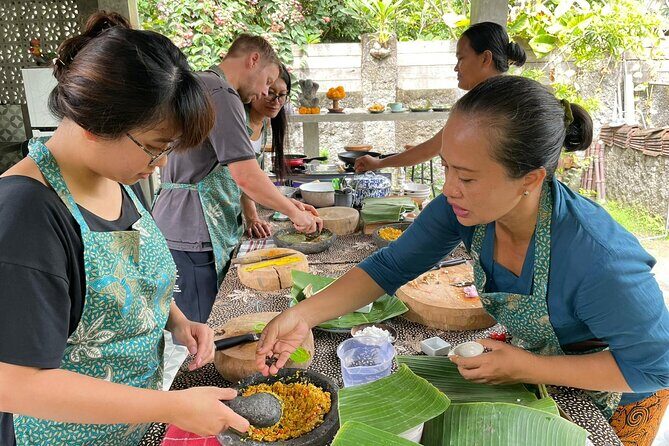
- Tempeh from scratch, not just a quick demo, with clear guidance you can repeat later
- Small group (max 10) means more attention and better explanations while you cook
- Ayu and Ngurah guide you through both the food and the story behind tempeh
- Seven-dish Balinese lunch in a garden, family-style atmosphere
- Vegan-friendly by default, with optional chicken and tuna choices if you eat them
- Spices and ingredients used fresh, with practical cooking you can recreate at home
Tempeh From Scratch in a Denpasar Garden Kitchen
This is the kind of cooking class that feels less like a “show” and more like learning a real household skill. You’ll start with tempeh itself—making it from scratch—then use it in several Balinese dishes. The result is that lunch isn’t an afterthought. It’s the payoff.
The whole session runs about 3 hours, starting at 9:30 AM and finishing around 12:30 PM, with lunch included. You’re also taking it in a warm home setting, not a commercial classroom. That matters in Bali, where “authentic” can sometimes mean crowded and rushed. Here, the pacing is calmer.
The meeting point is Canang Sari Homestay in Denpasar (Dangin Puri Kaja area). The activity ends back at the same meeting point, which keeps things simple.
You can also read our reviews of more cooking classes in Seminyak

The Tempeh Story: Why This Java Ingredient Shows Up in Bali
Tempeh (often written tempe) has a strong identity in Indonesia. In this class, you’ll learn its background directly from your host and connect it to how it’s used in Balinese cooking.
Here’s the practical reason this history matters: once you understand tempeh’s role and how it’s made, it stops feeling like a trendy vegan substitute. It becomes a normal, everyday ingredient with a long local tradition behind it. The class frames tempeh as a “superfood” that people eat for good reason—protein and nutrients—so you’re learning food culture, not just recipes.
You’ll also get the sense that tempeh belongs in Indonesian kitchens the way tofu does elsewhere. The difference is that tempeh’s flavor and texture come from its fermentation process. That’s the whole point of making it at home: the experience helps you respect the step where it all begins.
What You’ll Do During the Class (And Why Each Step Helps)
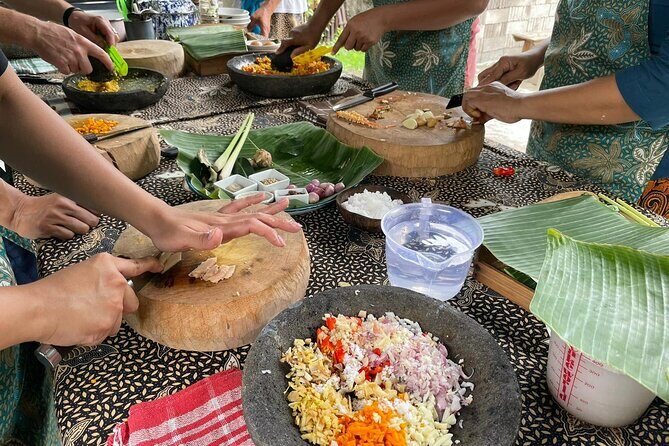
This class isn’t just cooking. It’s also process learning. You’ll work through multiple stages, and the host walks you through them so you understand what you’re aiming for.
1) Learning tempeh making in a real workflow
Tempeh making has a sequence: prepare the base, manage the fermentation stage, and handle the setup so it develops properly. The class focuses on the highlight of the tempeh making process, with instruction that’s meant to be repeatable.
A big plus: the teaching includes enough clarity that you get a guide to make tempeh at home. That’s not always included in cooking classes. It turns the experience into a skill you can keep, not just a one-time meal.
2) Discovering Balinese and Indonesian spice use
You’ll also learn about the spices used for Indonesian cooking. This is one of the most useful parts for anyone who cooks at home, because spice knowledge is transferable. You learn not just what goes in, but how spices function in the flavor system.
Even if you can’t find the exact same ingredients later, the method helps. You’ll better understand how spice mixes are balanced and why certain combinations show up again and again in Indonesian dishes.





3) Cooking from fresh plant-based ingredients
The class description emphasizes that you’ll cook with fresh plant-based ingredients and prepare everything from scratch. For you, that means you’re practicing actual cooking decisions: texture, seasoning, and timing.
You’ll get a good sense of the “feel” of Balinese cooking—how ingredients get combined and then finished. And because lunch is served soon after, you can link the technique to the final taste immediately.
The Main Event: Sayur Urab and a Seven-Dish Garden Lunch
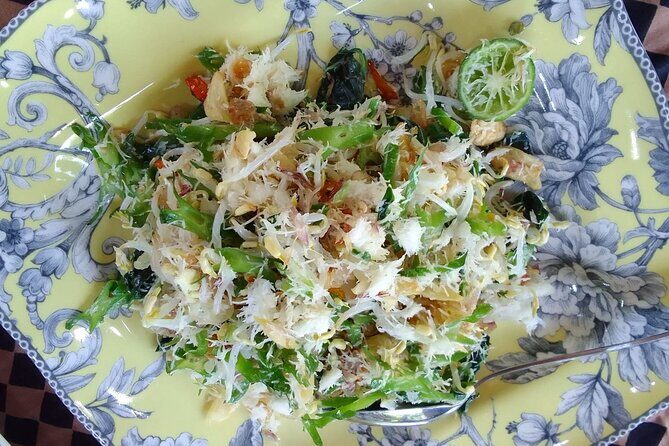
After tempeh making and cooking prep, you shift into meal mode. This is where the class turns into a full Balinese lunch.
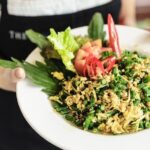
You’ll cook dishes that include Sayur Urab, a vegetable dish made with greens and beans mixed with grilled grated coconut. It’s a classic style of Indonesian flavor building: coconut adds body and aroma, greens bring freshness, and beans make it filling.
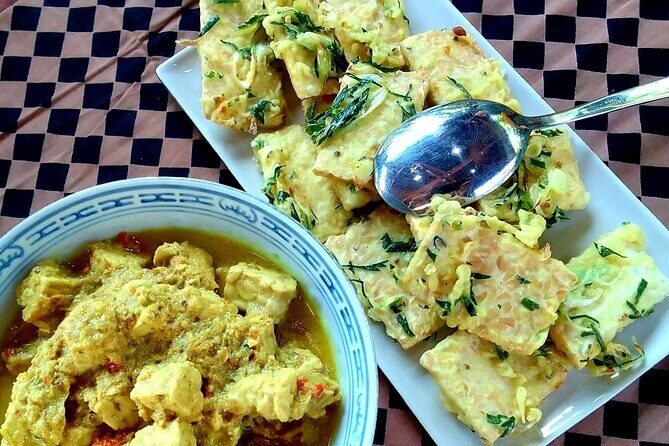
Then you’ll prepare additional local recipes built around tempeh. The class is described as having you cook and share a total of seven dishes during lunch. That’s a satisfying number. You’ll taste a range of flavors and uses for tempeh—so you leave knowing it can do more than one job.
Where you eat (and why it improves the experience)
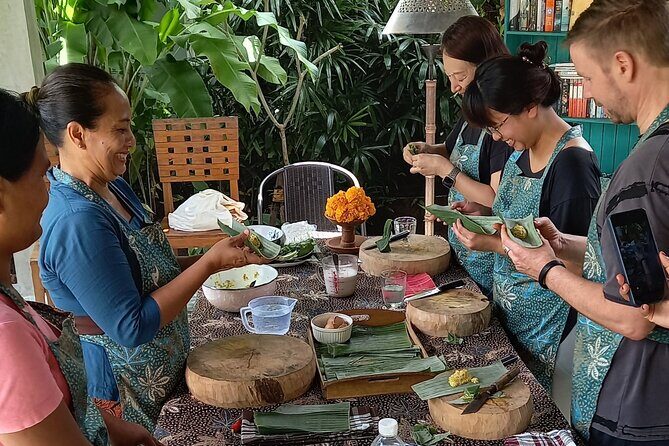
Instead of eating at a table in a hurry, you’ll enjoy everything in the garden of a cozy local home. It’s family-style, with a more relaxed atmosphere than restaurant dining. That affects how you experience the food. You’re not chasing plates or switching locations. You sit, share, and taste while the flavors are still fresh.
Vegan-Friendly by Design: How They Handle Tempeh-Based Meals
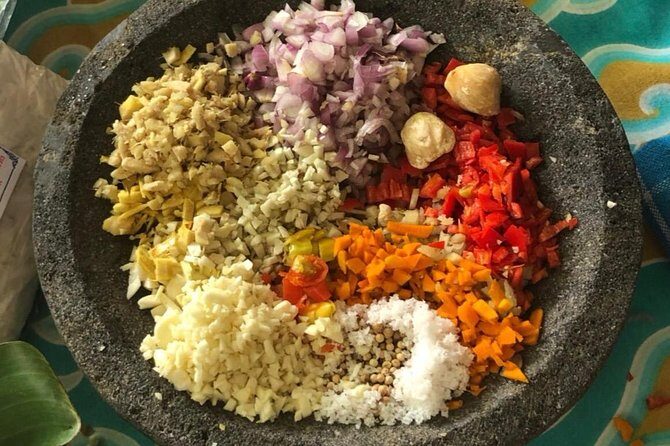
This class is described as vegan-friendly and centered on plant-based cooking. You’ll learn and cook with the vegan ingredient of tempeh, then use it in multiple dishes.
There’s also an important detail: the class mentions that they may add chicken and tuna in some dishes. If you’re vegan, they’ll skip those options. That’s helpful because it means the experience still works for you without you feeling like you’re asking for substitutions.
So the overall rhythm is:
- You learn tempeh and plant-based Balinese cooking as the core.
- You choose how animal ingredients get handled, based on what the class prepares that day.
If you’re someone who wants Indonesian flavors but prefers plant-based meals, this is the kind of class that makes sense fast.
Small Group, Real Attention: Why the Size Matters
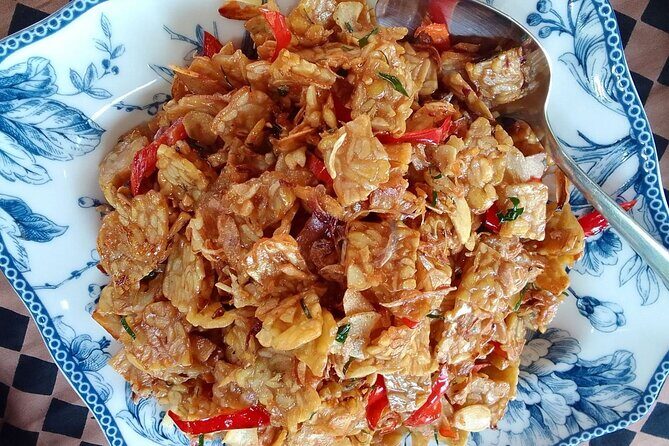
The class caps at 10 travelers. In plain terms: you’ll spend less time waiting and more time working. Tempeh making takes attention. Even if you’re a quick learner, fermentation-style tasks and cooking steps can’t be left half-understood.
With a smaller group, you can ask questions while they still matter—like what texture you’re aiming for, how the spice mix should smell, or how you’ll know when a dish is ready.
That’s especially true with hosts like Ayu and Ngurah, who are described as genuinely hospitable and passionate about teaching. The best part isn’t only that they explain. It’s that you feel comfortable asking follow-up questions.
Price and Value: What $39 Buys You Here
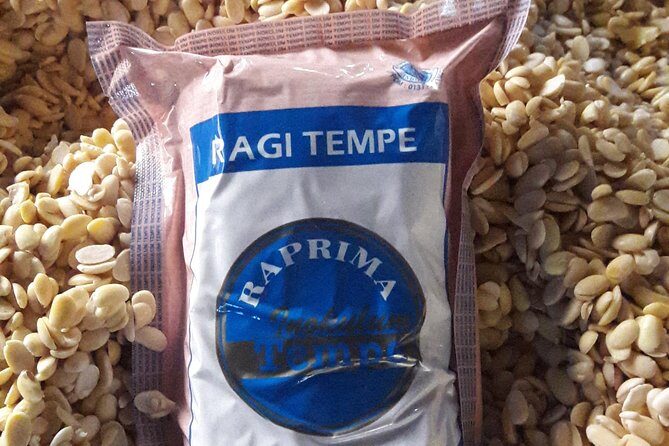
At $39 per person, this class can be good value because you’re getting more than “watch someone cook.”
You’re paying for:
- 3 hours of instruction and active cooking
- Tempeh making from scratch, which is a skill-based experience
- A sit-down lunch that includes seven dishes
- Tea, coffee, water, and a light snack during the class
- The benefit of a small group and guided attention
In Bali, cooking classes can range from quick market-to-kitchen experiences to long, intense multi-course days. This one sits in a sweet spot: long enough for real learning, short enough that it doesn’t eat your whole morning.
If you want one memorable, food-focused activity that also teaches you something you can reproduce later, this price point works.
Timing and Logistics: A 9:30 AM Start That Actually Works
Starting at 9:30 AM and finishing by 12:30 PM is ideal for a day that still has room for the rest of Bali. You’re done before the afternoon heat really ramps up, and you’re fueled by lunch right after.
It also means you don’t have to plan dinner later in a complicated way. You’ll be eating your own food just a few hours after you arrive at the home kitchen studio.
You’ll receive a mobile ticket, and the experience is confirmed at booking. End time returns you back to the meeting point, which keeps you from scrambling for transport after.
One more practical note: since the class needs good weather, check conditions before you settle into your day. If weather affects the outdoor parts, you’ll want the flexibility to adjust.
Who Should Book This Class (And Who Might Not)
This tour is a strong fit if you:
- want a cooking class that teaches a technique (tempeh making), not just recipes
- enjoy Indonesian flavors and want to understand the role of tempeh in Balinese cooking
- prefer plant-based meals, while still enjoying real cooking culture
- like learning from hosts who teach step-by-step and can answer questions
You might hesitate if:
- you don’t want to handle a fermentation-style food process, even with guidance
- you’re traveling on days where weather changes would ruin your plans
- you prefer long-form, sit-and-watch classes; this one is active and hands-on
Should You Book Traditional Tempeh Making & Cooking Balinese Cuisine?
If you’re choosing between a generic cooking class and a skill-based Balinese food experience, I’d lean toward this one. The standout is the combination: tempeh making from scratch plus a full garden lunch where you taste what you made.
Also, the small-group size and the teaching style of Ayu and Ngurah make it feel personal. You’re not just collecting dishes for Instagram—you’re learning how the food works, including how to keep the tempeh process going at home.
My quick rule of thumb: book this if you want Indonesian cooking with real technique and a satisfying meal that ends the session. Skip it if your schedule can’t handle weather changes or you’re not interested in making tempeh itself.
FAQ
How long is the Tempeh Making & Balinese Cooking class?
It runs for about 3 hours, starting at 9:30 AM and finishing around 12:30 PM.
Where does the class start, and does it end at the same place?
The meeting point is Canang Sari Homestay in Denpasar, and the experience ends back at the meeting point.
How much does it cost per person?
The price is $39.00 per person.
How big is the group?
The class has a maximum of 10 travelers.
Is the class vegan-friendly?
Yes. The class uses tempeh as the vegan-friendly base, and it notes they can skip chicken and tuna if you are vegan.
What dishes are included in the lunch?
Lunch includes seven dishes, and one of the mentioned dishes is Sayur Urab (greens and beans with grilled grated coconut). Other Balinese recipes are also prepared using tempeh.
Do they provide drinks or snacks during the class?
Yes. Tea, coffee, water, and a light snack are provided during the class.
Do I need good weather for this experience?
Yes. The experience requires good weather and may be canceled due to poor weather, with an offer of a different date or a full refund.
What is the cancellation policy?
You can cancel for a full refund if you cancel at least 24 hours before the experience start time. Free cancellation applies up to 24 hours in advance.