REVIEW · SEMINYAK
Bali Cooking Class Experience with All Inclusive
Book on Viator →Operated by Bali Yowana Tour · Bookable on Viator
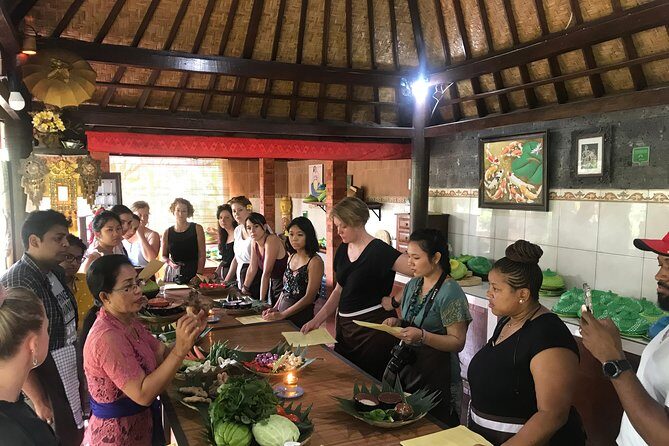
Cooking here feels like opening a family cookbook. You start with a classic becack ride, then head to a local village for a hands-on 2-hour Balinese cooking class where spices are explained, including their herbal-medical uses. It’s not just recipes on paper. It’s how people actually cook and think about food.
I especially liked the personal teaching style. You get your own local guide, and the class happens in a Balinese compound setup designed for small-group attention. One driver you may be assigned is Komang Ayuni, described as friendly, knowledgeable, and a top-notch driver.
One key consideration: this cooking experience is not recommended for allergens, because some ingredients contain peanuts and soy sauce. If food allergies are a concern, you’ll want to ask careful questions before you go.
In This Review
- Key points at a glance
- From Seminyak to Ubud: how the day actually moves
- Becack ride + village arrival: the warm-up you’ll remember
- Inside the Balinese compound: the 2-hour cooking class
- What you’ll cook and how the lesson works
- Lunch is included—and it’s your work
- Allergies: the big caution
- Balinese offerings lesson: understanding the ritual behind the food
- Sacred Monkey Forest Sanctuary: macaques, timing, and common-sense tricks
- Your add-on choices after Monkey Forest
- Option A: Tirta Empul + Tegalalang rice terrace
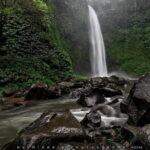
- Option B: Elephant Cave temple + Tegenungan waterfall swim
- Price and logistics: is $62 actually good value?
- Group size and private-guide feel
- What to bring (so the day stays fun)
- Who this tour suits best
- Who might want to skip or adjust
- Should you book this Bali cooking class with Monkey Forest?
- FAQ
- How long is the cooking class?
- What’s included in the price?
- Is hotel pickup available?
- Does the tour include the Sacred Monkey Forest Sanctuary?
- Is this cooking class safe for people with allergies?
- What is the cancellation window for a refund?
Key points at a glance
- Becack bicycle taxi start for a real local feel before the cooking begins
- 2-hour cooking class in a Balinese compound with small-group teaching
- Lunch is what you cook, served after the prep is done
- Balinese offerings lesson to understand the why behind the food and rituals
- Sacred Monkey Forest Sanctuary entry included on the tour
- Optional add-ons: Tirta Empul & Tegalalang, or Elephant Cave & Tegenungan
From Seminyak to Ubud: how the day actually moves
This is a full-day format built around smooth transport and a clear rhythm: pickup, local village cooking, lunch, a culture moment, then Ubud’s Sacred Monkey Forest. You’ll be in a private, air-conditioned minivan on the round trip, which matters in Bali’s heat and traffic. It also makes the schedule feel less rushed.
The tour is based in Seminyak, but the experience is very Ubud-focused at the end. If you like “one good day, not six half days,” this delivery style fits. It’s also priced to feel reasonable for a private-transfer day that includes lunch and sanctuary entry (if you choose the option with admissions).
Two practical notes. First, pickup time can shift depending on your hotel location and traffic. Second, the experience operates in all weather, so plan for sun and for rain without changing your hopes.
You can also read our reviews of more cooking classes in Seminyak
Becack ride + village arrival: the warm-up you’ll remember

The day starts with that becack bicycle taxi ride. It’s a simple thing, but it changes the tone immediately. You’re not just being transported. You’re moving like someone in the neighborhood would move, and it helps you get your bearings fast.
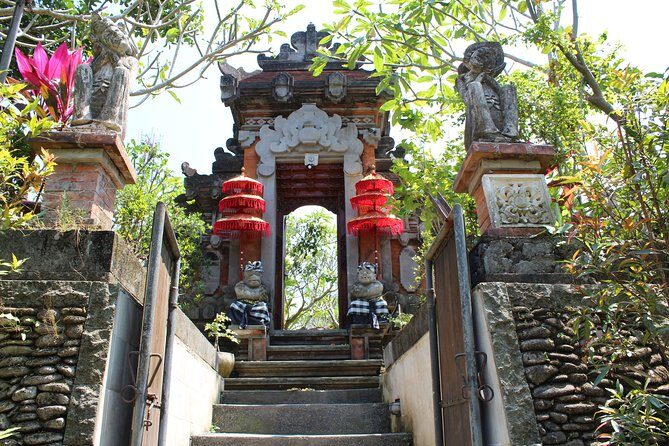
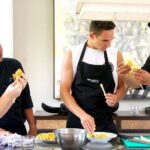
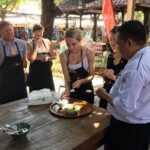
Once you arrive in the local area, you shift from the street to a Balinese compound setting for cooking. That change of pace is a big part of the value. Many tours squeeze cooking into a classroom. Here, you’re in an environment that looks and feels like home life, with the cooking area set up for small groups.
A good way to prepare: wear breathable clothes and keep your valuables secure. You’ll be out and about, and you won’t want to manage complicated outfits while you’re learning and cooking. If you choose an option that includes a waterfall swim later, pack a change of clothes.
Inside the Balinese compound: the 2-hour cooking class
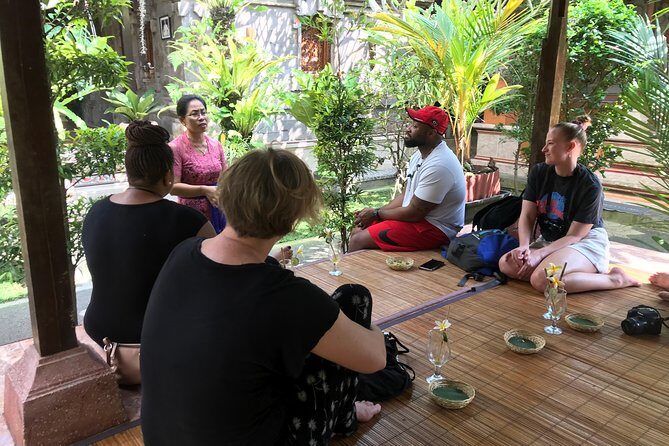
The cooking class is the heart of the day, and it’s designed for real instruction. You’ll spend about 2 hours in the compound, learning as you go. You’ll also get a short cultural setup before the stove-time: an introduction to Balinese culture, plus a brief look at how spices can connect to herbal medicine.
That background isn’t fluff. It helps you understand why dishes taste the way they do. Bali’s flavor comes from layered ingredients, not just one sauce or one paste. When you know the intention behind the spice, you’re more likely to replicate the flavors later at home.
What you’ll cook and how the lesson works
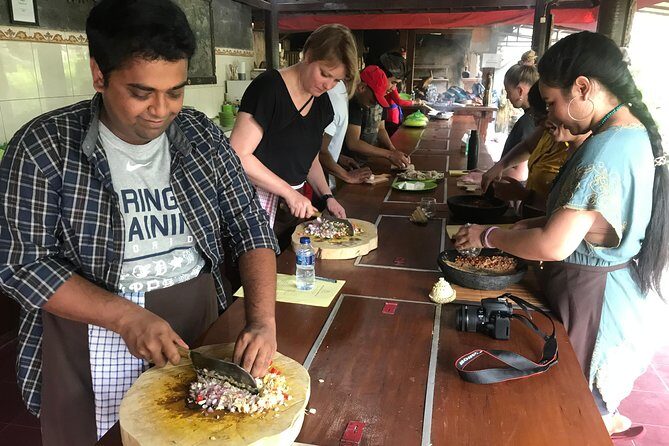
The class covers Balinese cooking basics and signature dishes. Expect classics like meat satay and fried rice as part of what you’ll make. The goal is teamwork at the workstations, so you’re cooking with others in a small group rather than standing back and watching.
In one class outline, the menu reached nine dishes, which gives you a good sense of how much you can realistically do in a 2-hour window. You won’t just chop one ingredient and call it done. You should walk away feeling like you actually learned a process.
Lunch is included—and it’s your work
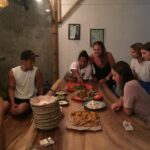
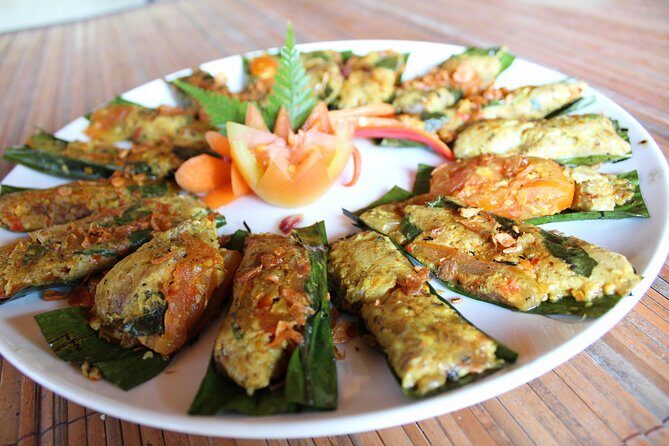
After the cooking teamwork, you get lunch using the menu you prepared. This is a strong value point. Eating what you made right away turns the lesson into something you can taste and remember, instead of a recipe list you’ll forget by dinner.
If you’re hoping for a heavy “food safari” experience, this is one of the best ways to do it: you cook, you eat, and you connect both parts.
You can also read our reviews of more tours and experiences in Seminyak




Allergies: the big caution
This is the one stop you should handle carefully if you have allergies. The tour is not recommended for allergens, because some ingredients contain peanuts and soy sauce. If that’s relevant to you, ask directly before booking and don’t assume “they can swap things” unless the provider confirms it.
Balinese offerings lesson: understanding the ritual behind the food
After you eat, the day shifts from cooking technique to cultural practice. You’ll learn about how to make Balinese offerings, which are tied to daily spiritual life. This part can feel quiet compared to the kitchen, but it adds meaning.
Here’s why it matters for your trip: offerings are not just a tourist photo. They’re part of the rhythm of the day in Bali. Once you understand what you’re making and why, the sights you see later in temples and homes start to click.
Even if you don’t plan to bring offerings home, you’ll likely appreciate the symbolism. It also makes the day feel less like a food show and more like actual cultural learning.
Sacred Monkey Forest Sanctuary: macaques, timing, and common-sense tricks
Next up is Ubud’s Sacred Monkey Forest Sanctuary. This is where the tour turns into a nature-and-temple visit, with long-tailed macaques as the headline. Expect playful behavior, quick movement, and plenty of eyes watching what you’re holding.
A few practical tips help you enjoy it instead of getting stressed:
- Keep your bag zipped and close.
- Don’t carry loose snacks or anything you wouldn’t want grabbed.
- Wear sunglasses and secure your camera strap so you’re not fumbling.
- Be cautious around ground-level areas where monkeys love to investigate.
The sanctuary entry is included as part of the tour structure when you choose the option with admissions. If you care about seeing it with fewer hassles, this package approach is easier than buying separate tickets.
Also, plan for walking on uneven paths. It’s not a marathon, but it’s not a flat stroll either.
Your add-on choices after Monkey Forest
The tour has package options for what happens after your time in Ubud. You can either head back to your hotel afterward, or continue with another cultural stop (and, depending on the choice, a water break).
Option A: Tirta Empul + Tegalalang rice terrace
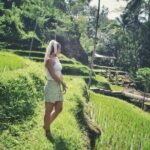
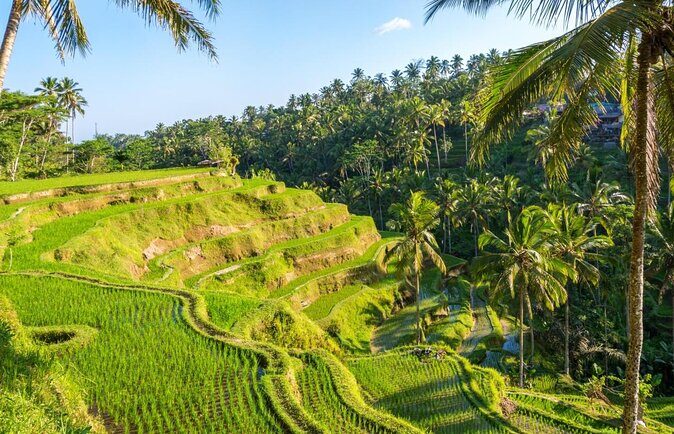
If you choose the itinerary with Tirta Empul water temple and Tegalalang rice terrace, you’ll get two different sides of Bali at once: spiritual water ritual and classic rice landscape views.
This is a great match if you want temple context plus scenic outcomes in one day. Just remember: this part of Bali can be humid and walk-heavy, so sunscreen and water help.
Option B: Elephant Cave temple + Tegenungan waterfall swim
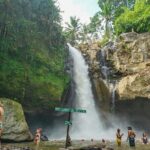
If you choose the alternative option, you’ll visit Elephant Cave temple and have time for swimming at Tegenungan waterfall. That’s the “more active” version of the day, and it’s why the packing list often includes a swimsuit and a change of clothes.
This choice is ideal if you want your day to end with something hands-on and refreshing rather than just another photo stop. You’ll still get temple time, but you’ll also get a clear “cool down” moment.
Price and logistics: is $62 actually good value?
At $62 per person, this tour can be good value because the day bundles several expensive-by-themselves pieces: private air-conditioned transfers, a local guide, lunch, a recipe, a donation, and (depending on your package) admissions.
Here’s the practical math way to think about it:
- You’re not paying extra for the cooking lesson + lunch.
- You’re not managing separate transport to Ubud.
- You’re not arranging sanctuary entry and fitting everything around your own schedule.
The included hotel pickup/drop-off applies to select hotels, so if you’re staying outside the covered area, you’ll want to confirm how the provider handles pickup. Also, while food and drinks aren’t generally included unless specified, lunch is included and you’ll eat what you cook.
Two small touches add comfort. Group discounts may be available, and you’ll have a mobile ticket. Those are the kinds of details that reduce stress when you’re trying to enjoy your day instead of troubleshooting.
Group size and private-guide feel
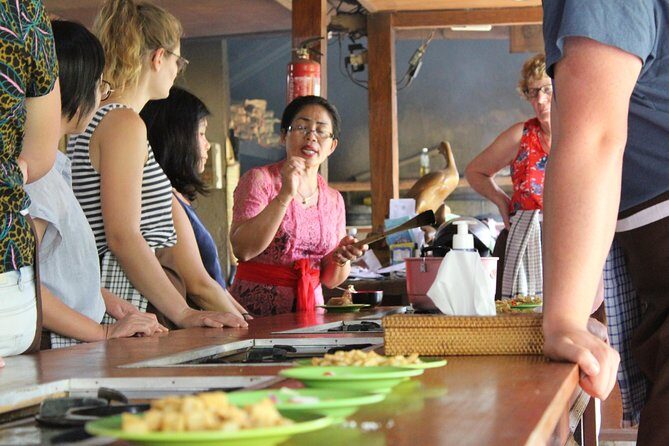
The total experience has a maximum of 15 travelers, and the cooking session itself is run in small-group format for undivided attention. That matters because cooking classes can turn chaotic fast when too many people crowd the same stations.
A private guide is also key. You’re not left to decode what you’re doing while guessing at the right textures and spice levels. You’ll have someone to help explain and keep you moving through the steps.
One review-highlight detail worth noting: the driver experience can make or break a full-day plan. Komang Ayuni is one name you might encounter, noted for being friendly, knowledgeable, and an excellent driver. That kind of driving keeps your day calmer and your timing more predictable.
What to bring (so the day stays fun)
If you’re choosing a package with water (like the Tegenungan option), bring the basics and then some. For the tour with the waterfall swim, the recommended checklist includes:
- light, comfortable clothing
- a change of clothes
- sunscreen, sunglasses, and a cap or hat
- a water bottle and snacks
- a swimsuit
- a camera
- petty cash (if you plan to handle small extras on-site)
Even without the waterfall, you’ll still want sun protection and water. Cooking can make you sweat, and walking between sites adds more exposure.
Who this tour suits best
This Bali cooking class experience fits especially well if you want:
- a real cooking class in a home-like environment
- an easy full-day plan that includes transport, lunch, and a major Ubud stop
- a guide who can explain both food technique and culture details
It’s also a strong choice for couples and small friend groups who don’t want to split up or negotiate logistics. If you’re solo, you’ll still benefit from the small-group cooking setup and guide attention.
Who might want to skip or adjust
If you have peanut or soy allergies, this probably isn’t the right match unless the provider confirms safe substitutions. And if you dislike monkey encounters or don’t like the idea of unpredictable animals, you may find Sacred Monkey Forest more stressful than worth it.
Should you book this Bali cooking class with Monkey Forest?
If you’re aiming for a “learn something, taste something, see something” day, I’d say it’s worth serious consideration. You’re getting hands-on cooking, lunch, offerings learning, and entry to a major Ubud wildlife and temple area—all tied together with private air-conditioned transport.
Book it if:
- you love food and want more than a demo
- you want a structured day that still includes authentic local moments
- you’re okay with macaques being part of the experience
Skip it if:
- allergies are a major issue and you can’t confirm safe ingredient handling
- you want a slow, fully relaxing day with no walking and no animal exposure
If your goal is to leave Bali with stories you can actually repeat—how spices were used, what you made for lunch, and what offerings represent—this is the kind of tour that delivers.
FAQ
How long is the cooking class?
The cooking class portion runs about 2 hours, followed by lunch and then the rest of the tour program.
What’s included in the price?
The tour includes a local guide, lunch, hotel pickup and drop-off for select hotels, round-trip private transfer by air-conditioned minivan, a recipe, and a donation. If you choose the package with tour option, admissions are included.
Is hotel pickup available?
Yes, hotel pickup and drop-off are included, but only for select hotels. Pickup time can vary based on your hotel location and traffic, and you’ll receive the exact time by email or WhatsApp.
Does the tour include the Sacred Monkey Forest Sanctuary?
Yes, the highlights include entry to the Sacred Monkey Forest Sanctuary in Ubud.
Is this cooking class safe for people with allergies?
This cooking class is not recommended for allergens because some ingredients contain peanuts and soy sauce.
What is the cancellation window for a refund?
You can cancel up to 24 hours in advance of the experience for a full refund.